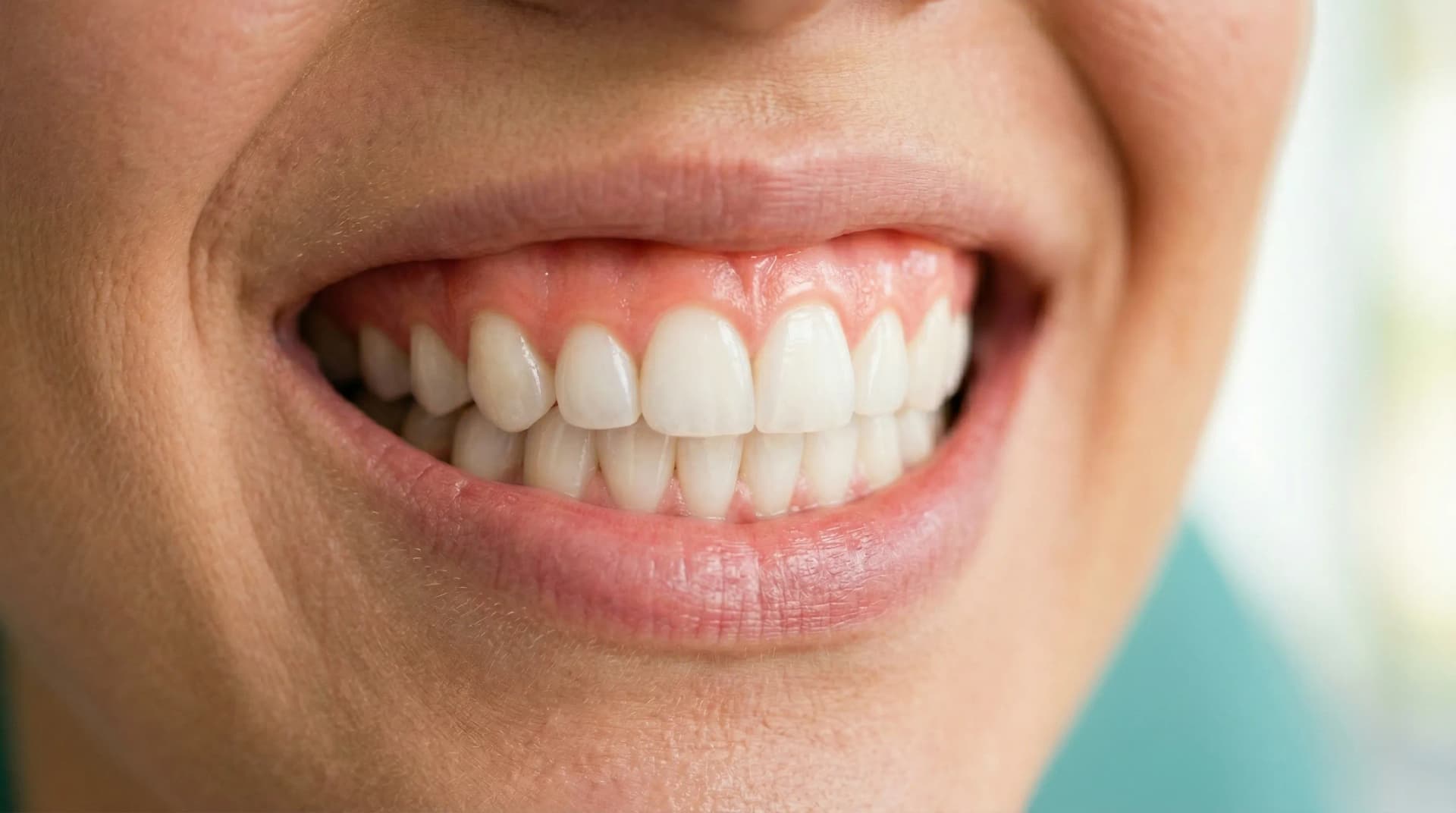
Bruxism is the involuntary grinding or clenching of teeth, occurring either during sleep (sleep bruxism) or while awake (awake bruxism). It can cause tooth wear, fractures, jaw pain, and headaches. While there is no definitive cure, treatment focuses on protecting teeth, managing symptoms, and addressing underlying triggers such as stress and sleep disorders.
What Is Bruxism?
Bruxism is a repetitive jaw-muscle activity characterized by the grinding or clenching of teeth. It is classified into two types:
- Sleep bruxism — Occurs unconsciously during sleep, often associated with sleep arousals. It is classified as a sleep-related movement disorder.
- Awake bruxism — Occurs during waking hours, often linked to stress, concentration, or habitual jaw tension. It typically involves clenching rather than grinding.
Sleep bruxism is estimated to affect 8-13% of the adult population, though many people are unaware they grind their teeth until a sleep partner mentions it or a dentist identifies the characteristic wear patterns (Journal of Oral Rehabilitation, 2018).
Causes and Risk Factors
The exact cause of bruxism is not fully understood, but it appears to be multifactorial. Contributing factors may include:
- Stress and anxiety — The most commonly cited trigger for awake bruxism and a contributing factor in sleep bruxism
- Sleep disorders — Obstructive sleep apnea is strongly associated with sleep bruxism
- Malocclusion — Misaligned bite may contribute, though this relationship is debated in the literature
- Medications — SSRIs (selective serotonin reuptake inhibitors) and other psychotropic medications can trigger or worsen bruxism
- Caffeine and alcohol — Both are associated with increased sleep bruxism frequency
- Smoking — Smokers are approximately twice as likely to grind their teeth
- Genetics — Sleep bruxism tends to run in families
Symptoms
Symptoms vary depending on severity and whether bruxism occurs during sleep or while awake:
- Flattened, fractured, chipped, or loose teeth
- Worn tooth enamel, sometimes exposing deeper layers of the tooth
- Increased tooth sensitivity, particularly to temperature changes
- Jaw pain or stiffness, especially upon waking
- Dull headaches originating in the temples
- Earache-like pain (without actual ear infection)
- Tired or tight jaw muscles
- Damage to the inside of the cheeks from biting
- Disrupted sleep (for the individual or their partner)
If bruxism contributes to tooth sensitivity, our guide on sensitive teeth and cold covers additional management strategies. Severe bruxism may also contribute to temporomandibular disorders.
Treatment and Prevention
There is no single cure for bruxism, but several approaches can manage symptoms and prevent dental damage:
Dental protection:
- Night guards (occlusal splints) — Custom-fitted devices worn during sleep to cushion teeth and reduce grinding forces. This is the most common and effective treatment for sleep bruxism.
- Dental repair — Crowns, bonding, or veneers to restore teeth damaged by grinding
Behavioral approaches:
- Stress management — Relaxation techniques, meditation, and cognitive behavioral therapy may reduce awake bruxism
- Biofeedback — Training to recognize and control jaw muscle activity
- Sleep hygiene — Improving sleep habits, limiting caffeine and alcohol, and treating underlying sleep disorders
- Awareness and habit reversal — For awake bruxism, becoming conscious of clenching and practicing lips together, teeth apart positioning
Medical interventions:
- Botulinum toxin (Botox) injections — May reduce the force of jaw muscle contractions in severe cases
- Medication adjustment — If bruxism is medication-induced, discuss alternatives with your prescribing physician
- Treatment of sleep apnea — CPAP or oral appliance therapy for sleep apnea often reduces associated bruxism
Research in Sleep Medicine Reviews (2019) continues to explore the complex relationship between sleep bruxism and sleep-disordered breathing, suggesting that treating the underlying sleep condition may be more effective than managing bruxism in isolation.
If you suspect you grind your teeth, consult your dentist for an evaluation. Early intervention can prevent significant dental damage and improve quality of life.