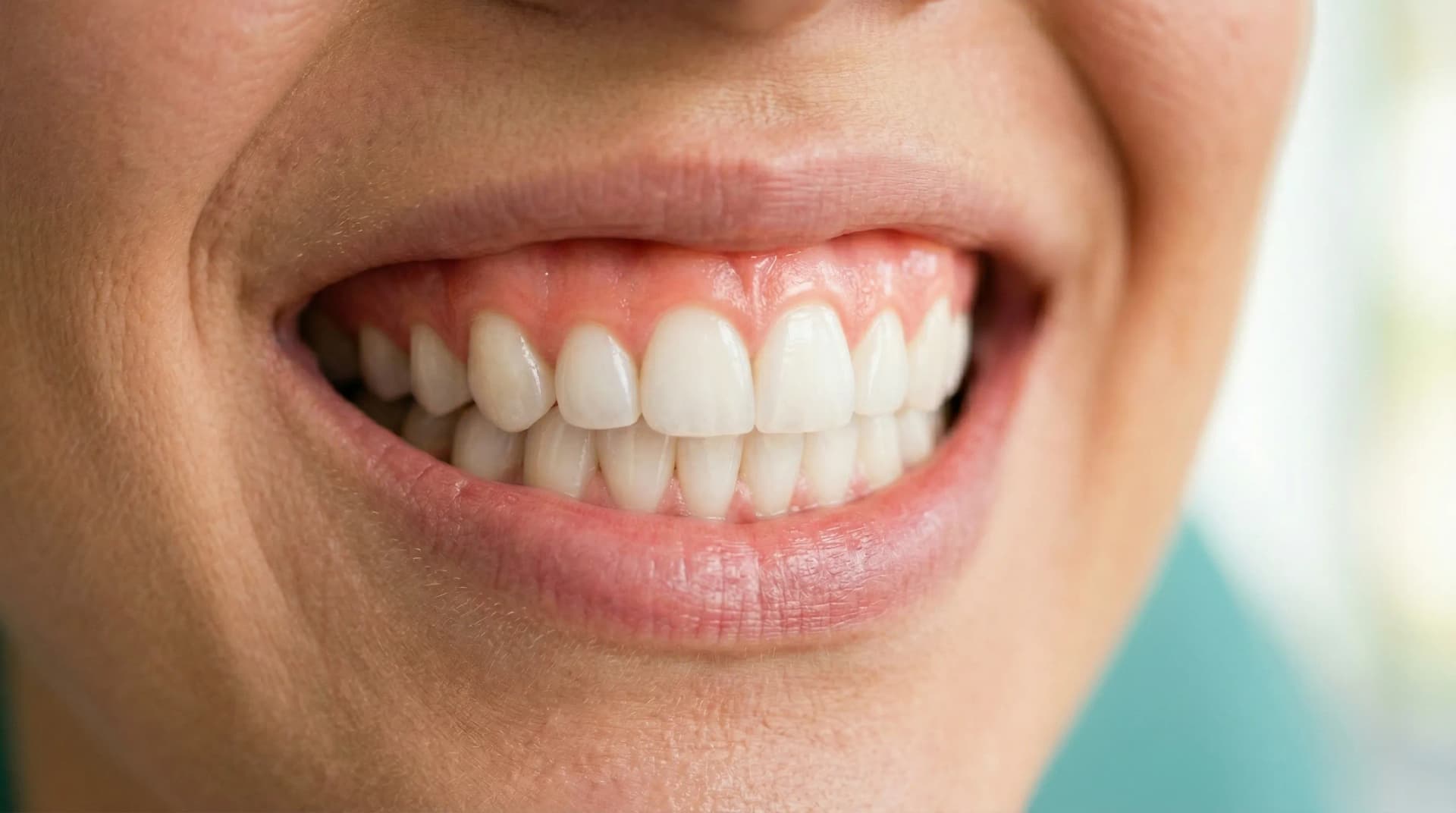
A dental abscess is a localized collection of pus resulting from a bacterial infection in or around a tooth. It will not resolve on its own and requires professional dental treatment. Left untreated, a dental abscess can spread to surrounding tissues, the jawbone, or — in rare but serious cases — other parts of the body. If you suspect a dental abscess, seek prompt dental care.
What Is a Dental Abscess?
A dental abscess is a pocket of pus that forms as the body's response to a bacterial infection within a tooth or the surrounding gum and bone tissue. There are three main types:
- Periapical abscess — Forms at the tip of the tooth root, usually as a result of untreated decay that has reached the pulp (nerve)
- Periodontal abscess — Forms in the gum tissue adjacent to a tooth root, typically associated with existing gum disease
- Gingival abscess — Confined to the gum tissue and does not involve the tooth or periodontal ligament
Dental abscesses are one of the most common dental emergencies. A study in the British Dental Journal (2017) found that dental infections accounted for a significant proportion of emergency department visits for dental conditions.
Causes and Risk Factors
The underlying cause of a dental abscess is bacterial infection. The specific pathway depends on the type:
- Periapical abscess — Bacteria enter the tooth through an untreated cavity, crack, or chip, reaching the pulp and causing infection
- Periodontal abscess — Bacteria trapped in a deep periodontal pocket cause infection in the surrounding tissue. Existing periodontitis is the primary risk factor
- Gingival abscess — Often caused by a foreign body (food particle, popcorn hull) embedded in the gum tissue
Risk factors that increase susceptibility include:
- Untreated tooth decay or cavities
- Advanced gum disease
- Previous dental procedures or trauma
- Poor oral hygiene
- A weakened immune system (diabetes, immunosuppressive medications, HIV)
- Dry mouth — reduced saliva means less natural protection against bacteria
- A diet high in sugar
Symptoms
Symptoms of a dental abscess may include:
- Severe, persistent, throbbing toothache that may radiate to the jawbone, ear, or neck
- Sensitivity to hot and cold temperatures
- Pain when biting or chewing
- Swelling in the face, cheek, or jaw
- Tender, swollen lymph nodes under the jaw or in the neck
- A foul taste in the mouth (if the abscess ruptures and drains)
- Fever
- Difficulty opening the mouth or swallowing (in severe cases)
Warning: If you experience difficulty breathing, difficulty swallowing, fever with facial swelling, or swelling that is spreading, seek emergency medical care immediately. These signs may indicate a spreading infection.
Treatment and Prevention
A dental abscess requires professional treatment — it will not heal on its own. Common treatments include:
Drainage and antibiotics:
- The dentist will drain the abscess to remove the pus and infection
- Antibiotics may be prescribed if the infection has spread beyond the immediate area or if you have a weakened immune system
Root canal therapy:
- For periapical abscesses, root canal treatment removes the infected pulp, cleans and disinfects the root canals, and seals the tooth. This saves the tooth.
Extraction:
- If the tooth cannot be saved, it may need to be extracted to eliminate the source of infection
Periodontal treatment:
- For periodontal abscesses, treatment of the underlying gum disease through scaling and root planing is necessary to prevent recurrence
Prevention centers on maintaining good oral health:
- Brush twice daily with fluoride toothpaste
- Floss daily to remove bacteria between teeth
- Treat cavities promptly — do not delay dental treatment for dental caries
- Manage gum disease before it progresses
- Attend regular dental checkups for early detection
- Limit sugary foods and drinks
Research published in Antibiotics (2021) emphasizes that antibiotic stewardship in dental infections is important, as antibiotics alone do not cure an abscess — the source of infection must be physically addressed through drainage, root canal, or extraction.
If you have a painful, swollen area in your mouth, consult your dentist as soon as possible for evaluation and treatment.