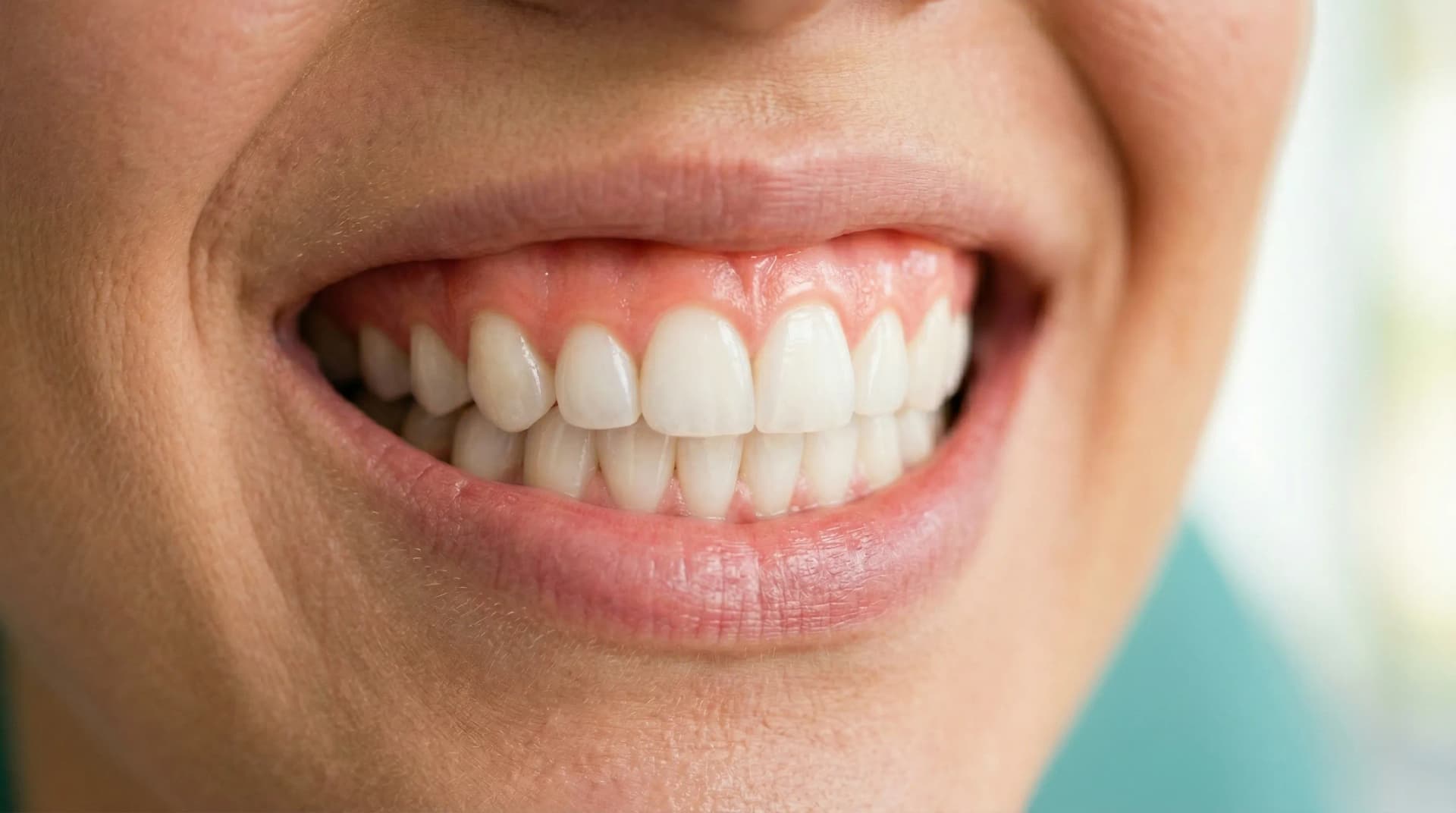
Dental caries — commonly known as tooth decay or cavities — is the destruction of tooth structure by acids produced by oral bacteria. It is the most common chronic disease worldwide, but it is largely preventable through good oral hygiene, fluoride use, and dietary management. Early-stage caries may be reversible; once a cavity has formed, professional treatment is required.
What Is Dental Caries?
Dental caries is a multifactorial disease in which bacteria in the mouth metabolize sugars from food and drink, producing acids that dissolve the mineral content of tooth enamel. Over time, this demineralization weakens the tooth structure, eventually forming a cavity — a permanent hole in the tooth.
The World Health Organization estimates that untreated dental caries in permanent teeth affects approximately 2.4 billion people globally, making it the most prevalent health condition on Earth (WHO Global Oral Health Status Report, 2022).
Caries can affect any tooth surface and may develop in both children and adults. Without intervention, the decay progresses through the enamel, into the dentin, and eventually to the pulp (nerve) of the tooth, potentially leading to infection, pain, and tooth loss.
Causes and Risk Factors
The caries process requires four elements: a susceptible tooth surface, acid-producing bacteria (primarily Streptococcus mutans), fermentable carbohydrates (sugars), and time.
Factors that may increase your risk include:
- Frequent sugar consumption — The more often teeth are exposed to sugars, the more acid is produced
- Poor oral hygiene — Inadequate brushing and flossing allow bacterial plaque to persist
- Dry mouth (xerostomia) — Saliva neutralizes acids and helps remineralize enamel; reduced saliva increases caries risk
- Lack of fluoride — Fluoride strengthens enamel and promotes remineralization
- Deep tooth grooves — Molars with deep pits and fissures trap food and bacteria
- Acid reflux or frequent vomiting — Stomach acid erodes enamel and creates a more acidic oral environment
- Certain medications — Drugs that reduce saliva flow or contain sugar
Symptoms
Early caries may produce no symptoms at all, which is why regular dental checkups are important. As decay progresses, symptoms may include:
- White spot lesions on the tooth surface (earliest visible sign)
- Brown or black discoloration
- Sensitivity to hot, cold, or sweet foods and drinks
- Visible holes or pits in the teeth
- Toothache — spontaneous pain or pain when biting
- Bad breath
For a visual overview of how decay advances, see our guide on tooth decay stages. If you notice white spots on your teeth, our article on white spots on teeth may also be helpful.
Treatment and Prevention
Treatment depends on the stage of decay:
- White spot lesions (early demineralization) — May be reversible with fluoride treatments, improved hygiene, and dietary changes
- Enamel cavities — Typically treated with dental fillings (composite resin or amalgam)
- Dentin involvement — Larger fillings, inlays, or onlays may be needed
- Pulp involvement — Root canal therapy is usually required to remove the infected pulp
- Severe destruction — Extraction may be necessary if the tooth cannot be saved
Prevention is highly effective and includes:
- Brushing with fluoride toothpaste twice daily
- Flossing daily to remove plaque between teeth
- Limiting sugary and acidic foods and beverages
- Drinking fluoridated water where available
- Dental sealants on the chewing surfaces of back teeth (especially for children)
- Regular dental checkups every six months for professional cleaning and early detection
Some research published in Caries Research (2019) suggests that certain probiotic strains may help reduce levels of S. mutans in the mouth, though this approach is still considered supplementary to established preventive measures.
If you suspect you have a cavity or are experiencing tooth sensitivity, consult your dentist for evaluation and appropriate treatment.