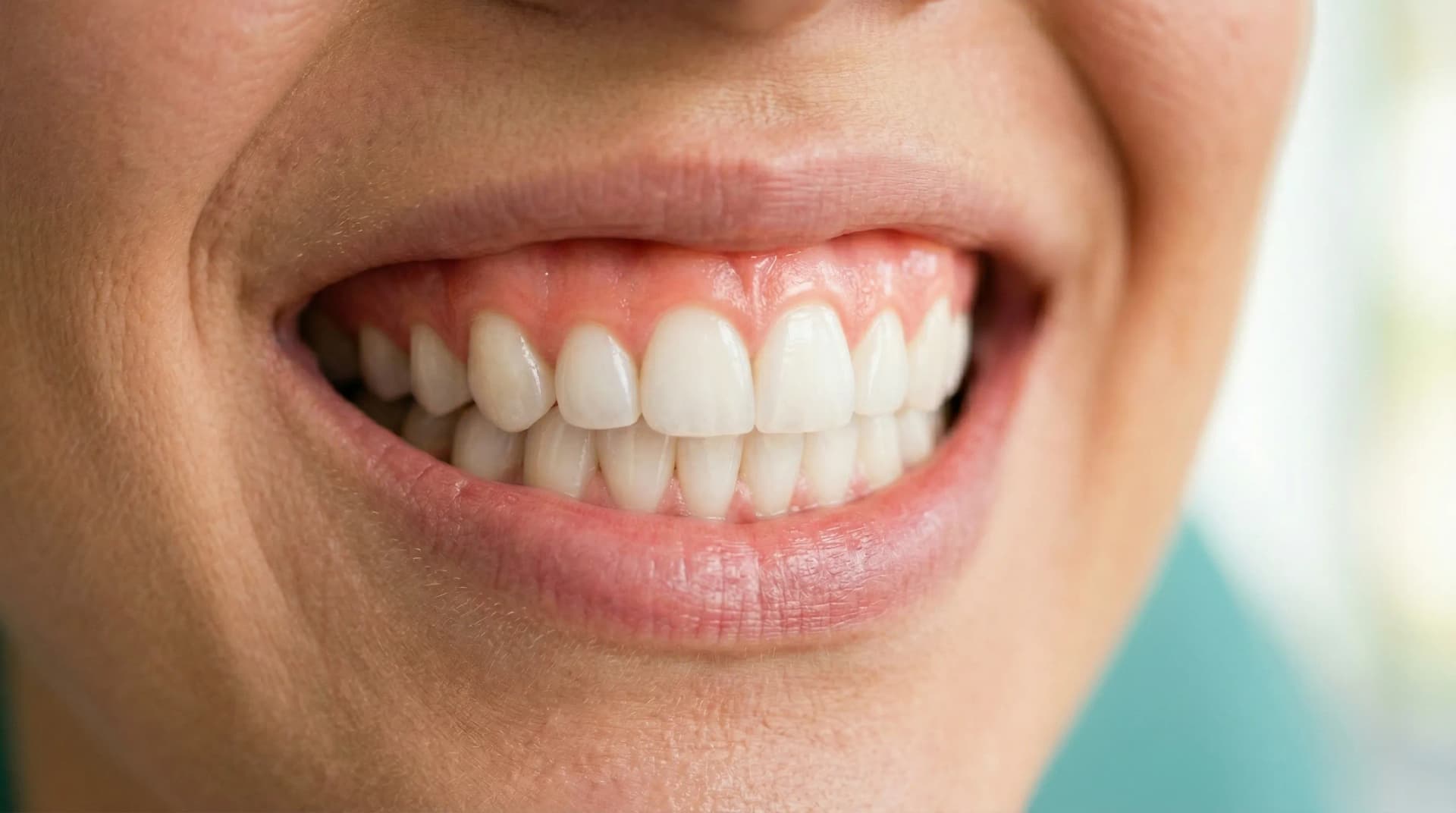
Pericoronitis is inflammation and often infection of the soft tissue (operculum) surrounding a partially erupted tooth, most commonly a lower third molar (wisdom tooth). It can cause significant pain, swelling, and difficulty opening the mouth. While acute episodes are treated with local care and sometimes antibiotics, definitive treatment often involves extraction of the affected tooth.
What Is Pericoronitis?
Pericoronitis occurs when the gum tissue flap (operculum) overlying a partially erupted tooth becomes inflamed and infected. The condition almost exclusively affects the lower third molars (wisdom teeth), which are the last teeth to erupt, typically between ages 17 and 25.
When a wisdom tooth only partially breaks through the gum, the overlying flap of gum tissue creates a pocket where food debris and bacteria can become trapped. This area is extremely difficult to clean, making it highly susceptible to infection.
Pericoronitis is one of the most common reasons for emergency dental visits in young adults. It can be classified as:
- Acute pericoronitis — Sudden onset with severe pain, swelling, and sometimes systemic symptoms (fever, difficulty swallowing)
- Chronic pericoronitis — Low-grade, recurrent episodes of mild pain and inflammation
Studies estimate that pericoronitis affects approximately 6-10% of adults and is the most common pathology associated with impacted third molars (International Journal of Oral and Maxillofacial Surgery, 2017).
Causes and Risk Factors
The primary cause is bacterial infection of the tissue overlying a partially erupted tooth. Contributing factors include:
- Partial tooth eruption — The operculum creates a space that traps food and bacteria
- Difficulty cleaning — The posterior location and tissue flap make thorough hygiene nearly impossible
- Upper tooth trauma — The opposing upper molar may bite down on the inflamed operculum, worsening irritation
- Stress and fatigue — May reduce immune function and trigger episodes
- Poor oral hygiene — Increases bacterial load in the area
- Smoking — Impairs local immune response and healing
Risk factors:
- Age 17-25 (peak wisdom tooth eruption period)
- Partially impacted or malpositioned third molars
- Previous episodes of pericoronitis (recurrence is common)
- Upper respiratory infections or periods of illness
Symptoms
Symptoms of pericoronitis may include:
- Pain and tenderness around the back of the jaw on the affected side
- Swelling of the gum tissue around the partially erupted tooth
- Red, inflamed tissue overlying the tooth
- Difficulty or pain when opening the mouth (trismus)
- Difficulty swallowing
- Bad taste in the mouth or discharge of pus from the area
- Bad breath
- Swollen lymph nodes under the jaw on the affected side
- Fever (in moderate to severe cases)
- Pain radiating to the ear, throat, or jaw
Warning: If you experience difficulty swallowing, difficulty breathing, facial swelling that is spreading, or high fever, seek emergency medical care, as these signs may indicate the infection is spreading to deeper tissue spaces.
Treatment and Prevention
Acute treatment focuses on controlling the infection and inflammation:
- Irrigation — The dentist will flush out debris and bacteria from under the operculum using a syringe with saline or chlorhexidine solution
- Debridement — Removal of accumulated debris and plaque from the area
- Antibiotics — Prescribed for moderate to severe infections, especially with systemic symptoms (fever, swollen lymph nodes, trismus). Amoxicillin or metronidazole are commonly used.
- Pain management — NSAIDs (ibuprofen) for pain and inflammation
- Warm salt water rinses — Help reduce inflammation and keep the area clean between dental visits
- Operculectomy — Surgical removal of the overlying gum flap, though this is less commonly performed as recurrence is possible
Definitive treatment:
- Extraction of the affected wisdom tooth — This is the definitive solution for recurrent pericoronitis. Once the partially erupted tooth is removed, the condition cannot recur at that site. Most dental professionals recommend extraction after a second episode or if the tooth is unlikely to fully erupt.
Prevention:
- Maintain meticulous oral hygiene around erupting wisdom teeth
- Use a small-headed toothbrush or interproximal brush to clean around partially erupted teeth
- Rinse with chlorhexidine mouthwash if recommended by your dentist
- Attend regular dental visits for monitoring of wisdom tooth eruption
- Discuss prophylactic extraction with your dentist if wisdom teeth appear to be impacted
A systematic review in British Journal of Oral and Maxillofacial Surgery (2019) supports extraction as the most effective long-term management for recurrent pericoronitis, with low complication rates when performed by experienced clinicians.
If you experience pain or swelling at the back of your jaw, consult your dentist promptly for evaluation and treatment.