Fluoride remains one of the most extensively studied compounds in preventive dentistry. The evidence strongly supports its effectiveness at preventing cavities through remineralization and acid resistance. Concerns about overexposure — particularly dental fluorosis in children — are legitimate and worth understanding, but they relate to dose, not to fluoride itself. For people seeking alternatives, hydroxyapatite toothpaste is an emerging option with promising research, though its evidence base is smaller.
Few topics in dental health generate as much passionate debate as fluoride. On one side, major dental organizations cite decades of research supporting fluoride as one of the greatest public health achievements of the 20th century. On the other, a growing number of consumers have concerns about potential risks, particularly for children.
Both perspectives deserve a fair hearing. Here is what the peer-reviewed science actually says — without the marketing spin from either side.
How Fluoride Works: The Chemistry
To evaluate fluoride fairly, it helps to understand the basic chemistry of what it does in your mouth.
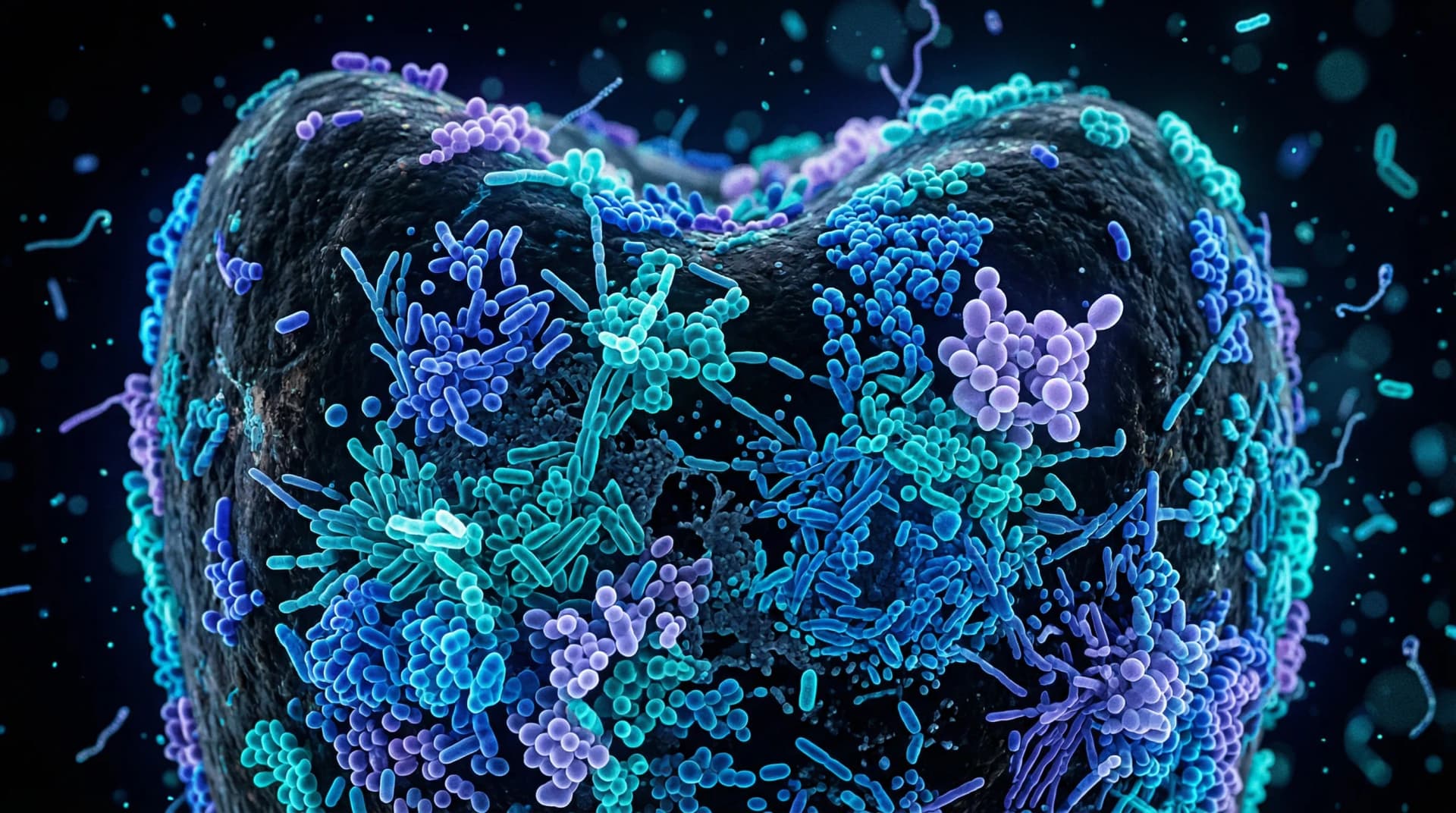
Your tooth enamel is made primarily of hydroxyapatite, a crystalline mineral composed of calcium and phosphate. Every day, acids produced by oral bacteria (primarily Streptococcus mutans) dissolve small amounts of this mineral in a process called demineralization. Your saliva naturally works to replace these minerals — remineralization — but when demineralization outpaces remineralization, the result is a cavity.
Fluoride intervenes in this process in three main ways, as described in a comprehensive review in the Journal of Dental Research:
-
Enhanced remineralization — When fluoride is present in saliva during remineralization, it is incorporated into the enamel crystal structure, forming fluorapatite. Fluorapatite is more resistant to acid dissolution than hydroxyapatite, meaning teeth remineralized in the presence of fluoride are harder to demineralize again.
-
Inhibition of demineralization — Fluoride in the fluid surrounding teeth can slow the rate at which enamel dissolves under acid attack. This protective effect operates primarily through topical contact (fluoride touching the tooth surface), not systemic ingestion.
-
Bacterial metabolism interference — At certain concentrations, fluoride can inhibit the enzyme enolase in bacterial glycolysis, reducing the amount of acid that S. mutans and other cariogenic bacteria produce. This effect is modest at the concentrations found in toothpaste and water, but it does contribute to the overall protective mechanism.
The key insight from modern research is that fluoride's benefits are primarily topical, not systemic. The fluoride that sits on your tooth surface and in your saliva matters more than fluoride that you swallow. This understanding has shifted how dentists think about optimal fluoride delivery.
For a deeper look at how teeth repair themselves, see our guide on remineralizing teeth naturally.
The Evidence for Fluoride Toothpaste
The evidence supporting fluoride toothpaste for cavity prevention is extensive. A 2019 Cochrane systematic review — the gold standard for evidence synthesis — analyzed data from 96 randomized controlled trials involving over 75,000 participants, primarily children and adolescents. The findings were clear:
- Fluoride toothpaste at concentrations of 1,000 ppm or higher reduced cavities by approximately 23% compared to placebo.
- Toothpastes below 1,000 ppm fluoride (including many "children's" formulations) showed weaker evidence of effectiveness.
- The benefit was dose-dependent: higher-concentration toothpastes (1,500 ppm) showed greater caries reduction than standard (1,000 ppm) formulations.
This is about as strong as evidence gets in preventive medicine. The number of trials, the consistency of results across different populations, and the dose-response relationship all support a genuine causal effect.
Community Water Fluoridation: Benefits and Controversy
Community water fluoridation — adding fluoride to public water supplies at approximately 0.7 mg/L — has been practiced in the United States since 1945. The CDC has called it one of the ten great public health achievements of the 20th century.
The evidence supporting water fluoridation for caries reduction is substantial. A 2015 Cochrane review in Cochrane Database of Systematic Reviews found that water fluoridation reduced cavities in children by approximately 26% in primary teeth and 14% in permanent teeth. However, the reviewers noted that most of the included studies were conducted before fluoride toothpaste became widespread, making it harder to isolate the additional benefit of water fluoridation in a modern context where most people already use fluoride toothpaste.
This is a legitimate nuance. When fluoride toothpaste was unavailable or underused, water fluoridation provided a significant population-level benefit, particularly for communities with limited dental care access. In 2026, with fluoride toothpaste ubiquitous and dental care more accessible (though still inequitable), the incremental benefit of water fluoridation may be smaller than historical estimates suggest — though it likely still exists, especially for underserved populations.
Concerns About Overexposure
The concerns about fluoride are not baseless, and dismissing them is neither honest nor helpful.
Dental Fluorosis
Dental fluorosis occurs when children ingest too much fluoride during the years when permanent teeth are forming (roughly ages 0-8). It manifests as white spots, streaks, or — in severe cases — brown staining and pitting on the enamel. A national survey published in the Journal of Dental Research found that approximately 65% of U.S. adolescents had some degree of fluorosis, though the vast majority (over 90% of cases) was mild — limited to faint white specks that are cosmetic rather than functional.
This is worth taking seriously. While mild fluorosis is not a health threat, its rising prevalence suggests that total fluoride exposure in children has increased. Sources include fluoride toothpaste (especially when young children swallow it), fluoridated water, infant formula mixed with fluoridated water, and fluoride in processed foods and beverages.
The practical response is dose management, not fluoride elimination. The American Dental Association recommends using only a rice-grain-sized amount of fluoride toothpaste for children under 3 and a pea-sized amount for ages 3-6, with adult supervision to minimize swallowing.
To learn more about white spots on teeth and what causes them, see our article on white spots on teeth.
Systemic Health Concerns
Some researchers have raised questions about whether chronic low-level fluoride exposure could affect thyroid function, neurodevelopment, or bone health. A 2020 study funded by the National Institutes of Health and published in JAMA Pediatrics reported an association between maternal fluoride exposure during pregnancy and lower IQ scores in children, which generated significant debate.
However, other large studies have not replicated this finding, and major reviews by the National Academies of Sciences and the World Health Organization continue to conclude that water fluoridation at recommended levels (0.7 mg/L) is safe for the general population. The scientific consensus remains in favor of safety at recommended doses, while acknowledging that ongoing research is appropriate.
Hydroxyapatite Toothpaste: A Fluoride Alternative?
For people who prefer to avoid fluoride, nano-hydroxyapatite (n-HAp) toothpaste is the most scientifically grounded alternative. Hydroxyapatite is the same mineral your enamel is made of, and the logic is straightforward: supply the building blocks directly.
Nano-hydroxyapatite toothpaste has been used in Japan since the 1980s, where it is an approved anti-caries agent. Research has grown significantly in recent years. A 2019 randomized controlled trial in Clinical Oral Investigations found that hydroxyapatite toothpaste was non-inferior to fluoride toothpaste (1,400 ppm) in preventing caries over an 18-month period, meaning it performed comparably in this particular study.
Additional studies have shown that n-HAp can remineralize early enamel lesions, reduce dentinal hypersensitivity, and produce a smoother enamel surface. A 2021 systematic review in Dentistry Journal concluded that n-HAp toothpaste showed "promising remineralization potential" but that more large-scale, long-term clinical trials are needed to definitively establish equivalence with fluoride.
The honest assessment: hydroxyapatite toothpaste is a legitimate option, not a gimmick. Its evidence base is growing but is still smaller than fluoride's decades of research. If you choose it, you are making a reasonable decision — but you should not expect every dentist to endorse it yet, and you should be extra diligent about other aspects of cavity prevention (diet, brushing technique, regular dental visits).
Understanding the stages of tooth decay can help you appreciate why any remineralizing agent — fluoride or hydroxyapatite — is most effective when used early, before a cavity has formed.
A Balanced Conclusion
The fluoride debate does not have to be all-or-nothing. Here is a summary of the evidence-based position:
- Fluoride toothpaste at 1,000+ ppm is effective for preventing cavities. This is supported by one of the strongest evidence bases in all of preventive medicine.
- Dental fluorosis is a real concern for children, and parents should manage total fluoride intake carefully during the tooth-forming years.
- Water fluoridation provides a population-level benefit, though its incremental value in the era of fluoride toothpaste is debated among researchers.
- Hydroxyapatite toothpaste is a credible alternative with growing evidence, particularly for those who cannot or choose not to use fluoride.
- The dose makes the poison — most fluoride concerns relate to overexposure, not to fluoride at recommended concentrations.
Good oral health is built on multiple pillars: effective brushing technique, daily flossing, a diet low in frequent sugar exposure, regular dental visits, and — yes — a remineralizing agent in your toothpaste, whether that is fluoride or hydroxyapatite. No single product is a magic bullet, and no single concern should override the totality of the evidence.