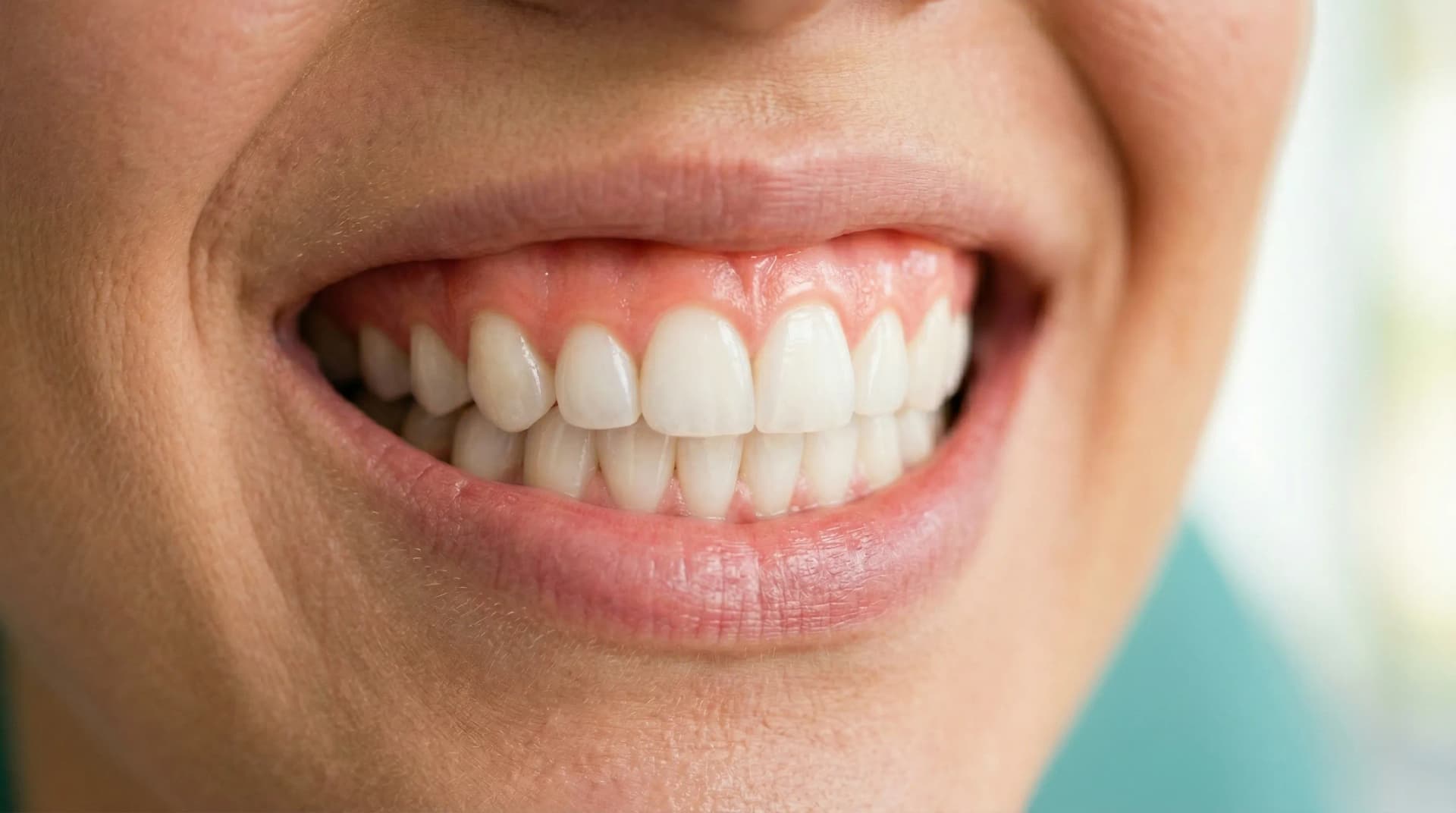
Periodontitis is the advanced, irreversible stage of gum disease. Unlike gingivitis, it involves destruction of the bone and connective tissue that support the teeth. Left untreated, periodontitis may lead to tooth mobility and eventual tooth loss. Professional treatment is essential — home care alone cannot halt the disease once it has progressed beyond the gumline.
What Is Periodontitis?
Periodontitis is a chronic inflammatory disease of the tissues surrounding the teeth — the gingiva, periodontal ligament, cementum, and alveolar bone. It typically develops when gingivitis (early gum inflammation) is left untreated, allowing bacteria to penetrate deeper below the gumline.
The hallmark of periodontitis is the formation of periodontal pockets — spaces between the tooth and gum that deepen as bone and tissue are destroyed. According to CDC data, approximately 42% of U.S. adults aged 30 and older have some form of periodontitis, with roughly 7.8% experiencing severe disease (Journal of Dental Research, 2015).
Causes and Risk Factors
Periodontitis is caused by a complex interaction between bacterial plaque and the body's immune response. Specific bacteria — particularly Porphyromonas gingivalis, Tannerella forsythia, and Treponema denticola — colonize the deepening pockets and produce enzymes that destroy connective tissue and stimulate bone resorption.
Key risk factors include:
- Untreated gingivitis — The precursor in most cases
- Smoking — The strongest modifiable risk factor; smokers are 2-6 times more likely to develop periodontitis
- Diabetes — Poorly controlled blood sugar significantly increases susceptibility and severity
- Genetic predisposition — An estimated 30% of the population may carry genetic susceptibility regardless of hygiene habits
- Stress — Chronic stress impairs immune function and may accelerate tissue destruction
- Certain medications — Drugs that cause dry mouth or gum overgrowth can create favorable conditions for bacterial colonization
- Hormonal changes — Pregnancy and menopause can alter gum tissue response to bacteria
Symptoms
Periodontitis often progresses silently, especially in its early stages. Symptoms to watch for include:
- Gums that bleed during brushing, flossing, or eating
- Red, swollen, or tender gum tissue
- Gums that have pulled away from the teeth (recession)
- Persistent bad breath or a bad taste in the mouth
- Visible pus between the teeth and gums
- Loose or shifting teeth
- Changes in how your teeth fit together when you bite
- Pain when chewing
Because periodontitis can be painless until advanced stages, regular dental examinations with periodontal probing are critical for early detection. If you notice bleeding gums when brushing or signs of gum recession, consult your dentist promptly.
Treatment and Prevention
Periodontitis requires professional treatment. The specific approach depends on the stage and severity of the disease.
Non-surgical treatment:
- Scaling and root planing (SRP) — A deep cleaning procedure that removes plaque and calculus from below the gumline and smooths the root surfaces to discourage bacterial reattachment. This is the gold-standard first-line therapy.
- Antibiotics — Local antibiotic agents may be placed directly into deep pockets, or systemic antibiotics may be prescribed for widespread or aggressive disease.
Surgical treatment (for cases not responding to non-surgical therapy):
- Flap surgery — Gums are lifted back to allow thorough cleaning and bone reshaping
- Bone grafting — Replaces bone lost to disease
- Guided tissue regeneration — Uses barrier membranes to encourage regrowth of bone and tissue
- Gum grafting — Covers exposed root surfaces caused by recession
Ongoing maintenance is essential. Patients with a history of periodontitis typically need professional cleanings every three to four months (supportive periodontal therapy) rather than the standard six-month interval.
Prevention focuses on intercepting the disease at the gingivitis stage through daily brushing and flossing, regular dental visits, avoiding tobacco, managing systemic conditions like diabetes, and maintaining good nutrition. Research published in the Journal of Clinical Periodontology (2020) suggests that certain probiotic strains used alongside professional treatment may improve clinical outcomes, though they are not a replacement for standard therapy.
If you have been diagnosed with periodontitis or suspect you may have it, consult a dentist or periodontist for a thorough evaluation and individualized treatment plan.