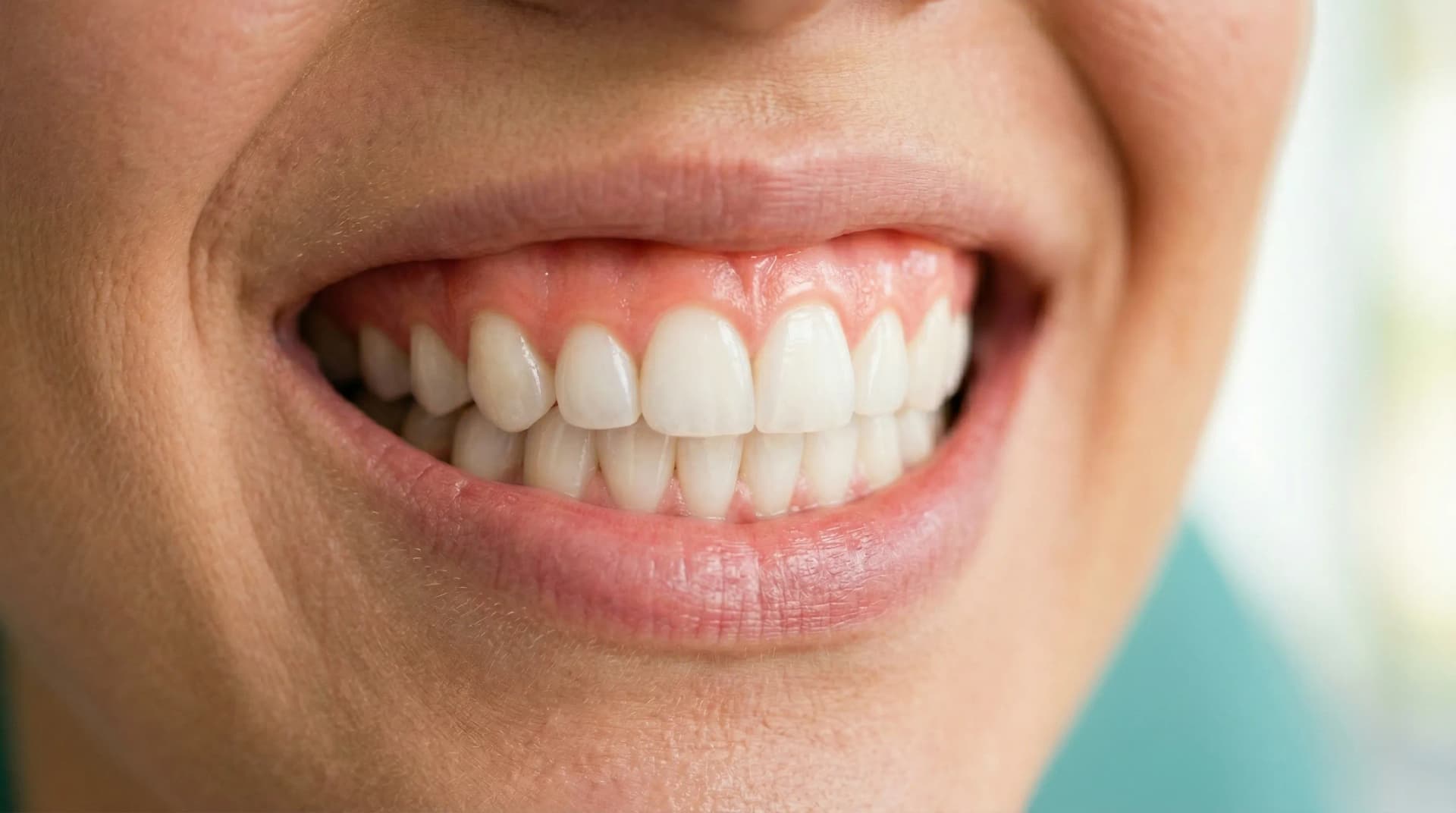
Gingivitis is the mildest and most reversible form of gum disease. It occurs when bacterial plaque builds up along the gumline, triggering an inflammatory response that causes red, swollen, and bleeding gums. With consistent oral hygiene and professional cleaning, gingivitis can typically be fully reversed within a few weeks.
What Is Gingivitis?
Gingivitis is inflammation of the gingiva — the gum tissue that surrounds and supports your teeth. It is the earliest stage of periodontal (gum) disease and is characterized by redness, swelling, and bleeding of the gums, particularly during brushing or flossing.
Unlike more advanced forms of gum disease, gingivitis does not involve any loss of bone or connective tissue. The underlying structures that hold your teeth in place remain intact, which is why gingivitis is considered fully reversible with appropriate treatment.
According to the CDC, gingivitis affects a significant proportion of adults. A global systematic review published in the Journal of Dental Research (2015) estimated that 50-90% of adults worldwide experience some degree of gingival inflammation.
Causes and Risk Factors
The primary cause of gingivitis is the accumulation of bacterial plaque — a sticky film of bacteria, food particles, and saliva — along and below the gumline. When plaque is not adequately removed through brushing and flossing, bacteria produce toxins that irritate the gum tissue and trigger inflammation.
Several factors may increase your risk of developing gingivitis:
- Poor oral hygiene — Infrequent or ineffective brushing and flossing allows plaque to accumulate
- Smoking or tobacco use — Reduces blood flow to the gums and impairs the immune response
- Hormonal changes — Pregnancy, puberty, and menopause can make gums more sensitive to plaque
- Certain medications — Some drugs reduce saliva flow or cause gum tissue overgrowth
- Nutritional deficiencies — Lack of vitamin C, in particular, may weaken gum tissue integrity
- Diabetes — Poorly controlled blood sugar impairs the body's ability to fight infection
- Dry mouth — Reduced saliva means less natural cleansing of bacteria and food debris
It is worth noting that plaque begins forming on teeth within hours of brushing. Without daily removal, it hardens into calculus (tartar) within 24-72 hours, which cannot be removed by brushing alone and requires professional cleaning.
Symptoms
Gingivitis is often painless in its early stages, which is one reason it frequently goes unnoticed. Common signs and symptoms may include:
- Gums that appear red or dark pink rather than a healthy coral pink
- Swollen or puffy gum tissue, especially between the teeth
- Gums that bleed during brushing, flossing, or dental probing
- Persistent bad breath (halitosis) that does not resolve with brushing
- Gum tenderness when touched or during eating
If you notice any of these symptoms, it is advisable to schedule a dental examination. Your dentist can measure your gum pocket depths and assess whether the inflammation is limited to gingivitis or has progressed further. For a detailed comparison, see our guide on gingivitis vs. periodontitis.
Treatment and Prevention
The good news is that gingivitis responds well to treatment. In most cases, it can be reversed within two to four weeks of consistent care.
Professional treatment typically involves a dental cleaning (prophylaxis) to remove plaque and calculus buildup. If calculus has formed below the gumline, your dentist or hygienist may recommend a more thorough scaling procedure.
Home care is the foundation of both treatment and prevention:
- Brush twice daily for two minutes using a soft-bristled toothbrush
- Floss at least once daily to clean between teeth where your toothbrush cannot reach
- Consider an antimicrobial mouthwash if recommended by your dentist
- Replace your toothbrush every three to four months
- Maintain regular dental checkups and cleanings every six months
Prevention strategies also include avoiding tobacco products, managing underlying conditions like diabetes, eating a balanced diet rich in vitamins C and D, and staying hydrated to support adequate saliva production.
Research published in Nutrients (2021) suggests that oral probiotic supplementation may help reduce gingival inflammation markers when used alongside standard oral hygiene practices, though more research is needed.
If you suspect you have gingivitis, consult your dentist for a proper evaluation. Early intervention is the most effective way to prevent progression to periodontitis, which involves irreversible bone loss.