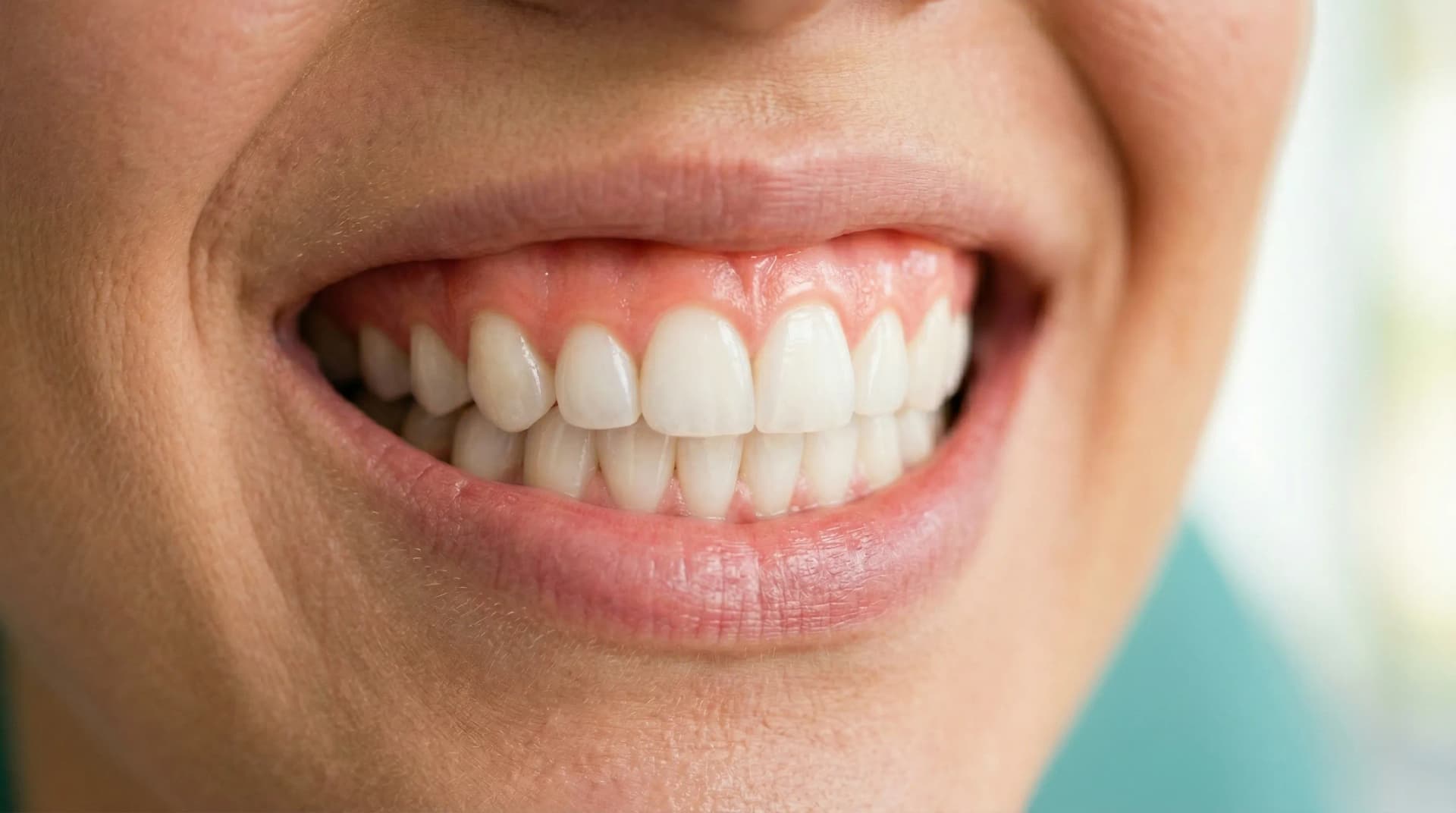
Leukoplakia refers to white patches or plaques on the oral mucous membranes that cannot be scraped off and cannot be attributed to another identifiable cause. While most leukoplakia is benign, a subset of cases may show dysplastic (precancerous) changes. Professional evaluation, which may include biopsy, is essential for any persistent white lesion in the mouth.
What Is Leukoplakia?
Leukoplakia is a clinical term describing white patches on the mucous membranes of the mouth — most commonly found on the tongue, floor of the mouth, or inside of the cheeks. Unlike the white patches of oral thrush, leukoplakia plaques cannot be wiped or scraped off.
The condition is defined partly by exclusion: it is diagnosed when no other cause — such as fungal infection, lichen planus, or friction — can be identified. Leukoplakia is most commonly seen in adults over 40, and it is estimated to affect 1-5% of the general population (Oral Oncology, 2018).
The primary concern with leukoplakia is its potential for malignant transformation. Approximately 1-9% of leukoplakia cases may progress to oral squamous cell carcinoma over time, depending on the type and location of the lesion.
Causes and Risk Factors
The exact cause of leukoplakia is not fully understood, but it is believed to represent the mouth's response to chronic irritation. Strongly associated risk factors include:
- Tobacco use — Smoking, chewing tobacco, and snuff use are the most significant risk factors. Tobacco cessation leads to resolution of the lesion in many cases.
- Alcohol consumption — Especially when combined with tobacco, alcohol significantly increases risk
- Chronic irritation — Rough teeth, broken fillings, or ill-fitting dentures that irritate oral tissues
- Betel nut chewing — Common in parts of South and Southeast Asia, strongly linked to oral leukoplakia
- HPV infection — Certain strains of human papillomavirus are associated with a type called proliferative verrucous leukoplakia
- Immune suppression — Hairy leukoplakia (a distinct variant) is associated with Epstein-Barr virus and commonly occurs in immunocompromised individuals
Symptoms
Leukoplakia itself is usually painless. It may present as:
- White or grayish patches that develop on the tongue, floor of the mouth, inside of cheeks, or gums
- Patches that are flat or slightly raised, with a smooth or rough texture
- Patches that cannot be scraped off
- Thickened or hardened areas of the mucosa
- Occasionally, red areas intermixed with white patches (erythroleukoplakia or speckled leukoplakia) — this type carries a higher risk of malignant change
The condition may persist for weeks to months. Any persistent white patch that does not resolve within two to three weeks should be evaluated by a dental professional.
Treatment and Prevention
Evaluation is the most important first step. Your dentist may:
- Perform a clinical examination to assess the lesion's characteristics
- Order a biopsy (tissue sample) to check for dysplasia or early cancerous changes
- Rule out other conditions such as oral lichen planus or candidiasis
Treatment depends on the biopsy findings:
- No dysplasia — Monitor regularly; remove identifiable irritants (quit tobacco, fix rough teeth or dentures)
- Mild dysplasia — Close monitoring with repeat biopsies; consider removal if the lesion persists
- Moderate to severe dysplasia — Surgical excision (laser surgery, scalpel excision, or cryotherapy)
The single most effective intervention is tobacco cessation. Many leukoplakia lesions resolve or significantly improve after the patient stops using tobacco products.
Prevention:
- Avoid all tobacco products — smoking, chewing tobacco, and snuff
- Limit alcohol consumption
- Maintain regular dental visits for oral cancer screening
- Address sources of chronic irritation (sharp teeth, broken restorations)
- Eat a diet rich in fruits and vegetables, which may have a protective effect
A systematic review in Oral Diseases (2020) noted that while some studies suggest antioxidant supplementation (particularly vitamin A and beta-carotene) may help reduce leukoplakia, the evidence remains inconclusive and supplementation is not a substitute for professional evaluation and tobacco cessation.
If you notice any persistent white patch in your mouth, consult your dentist for a thorough evaluation. Early detection and monitoring are key to preventing potential complications.