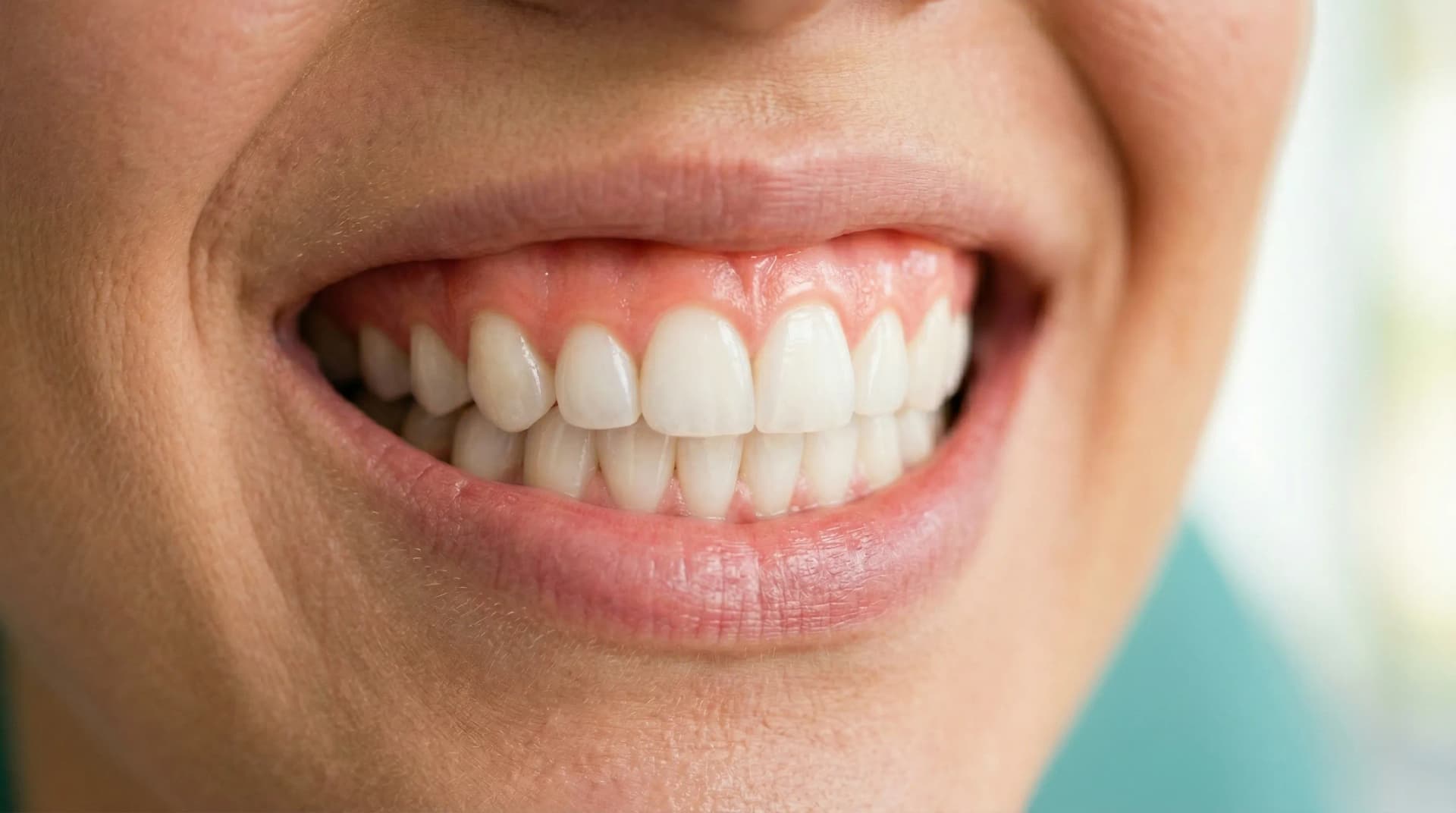
Oral thrush (oral candidiasis) is a fungal infection caused by an overgrowth of Candida species — most commonly Candida albicans — in the mouth. It appears as creamy white, slightly raised lesions that can be wiped off to reveal red, sometimes bleeding tissue underneath. While generally mild and treatable, recurrent thrush may indicate an underlying immune or systemic issue.
What Is Oral Thrush?
Oral thrush is an infection of the mouth's mucous membranes caused by Candida fungi. Candida is a normal part of the oral microbiome in many people, but certain conditions allow it to proliferate beyond normal levels, resulting in infection.
The condition presents as white, cottage-cheese-like patches on the tongue, inner cheeks, roof of the mouth, gums, or back of the throat. These patches can typically be wiped away, leaving red, irritated tissue that may bleed slightly.
Oral thrush can occur at any age but is most common in infants, older adults, and individuals with compromised immune systems. A review in Periodontology 2000 (2019) noted that Candida species can be isolated from the mouths of 30-50% of healthy adults, but clinical infection develops only when local or systemic factors tip the balance.
Causes and Risk Factors
Oral thrush develops when the immune system or the normal oral microbial balance is disrupted, allowing Candida to overgrow. Common risk factors include:
- Antibiotics — Broad-spectrum antibiotics can kill beneficial bacteria that normally keep Candida in check
- Inhaled corticosteroids — Used for asthma; can deposit medication on oral tissues, promoting fungal growth
- Weakened immune system — HIV/AIDS, chemotherapy, immunosuppressive drugs
- Diabetes — Elevated blood sugar in saliva creates a favorable environment for yeast
- Dry mouth (xerostomia) — Reduced saliva diminishes its antifungal properties
- Dentures — Poorly fitting dentures create warm, moist areas where Candida thrives
- Smoking — Alters the oral environment and impairs local immune responses
- Infancy — Immature immune systems make infants particularly susceptible
Symptoms
Signs and symptoms of oral thrush may include:
- Creamy white lesions on the tongue, inner cheeks, roof of the mouth, or gums
- Lesions that can be wiped off, revealing red tissue underneath
- Redness, burning, or soreness that may interfere with eating
- A cottony feeling in the mouth
- Loss of taste or an unpleasant taste
- Cracking and redness at the corners of the mouth (angular cheilitis)
- Difficulty swallowing (if infection spreads to the throat)
In some cases, oral thrush may be confused with other conditions that produce white patches, such as leukoplakia or oral lichen planus. A dental professional can distinguish between these conditions through clinical examination and, if needed, laboratory testing.
Treatment and Prevention
Treatment typically involves antifungal medications:
- Topical antifungals — Nystatin suspension or clotrimazole troches (lozenges) are usually the first-line treatment for mild cases
- Systemic antifungals — Fluconazole tablets may be prescribed for more severe or resistant infections
- Denture care — If denture-related, proper cleaning and overnight soaking of dentures in antifungal solution is essential
- Rinse after inhaler use — Patients using inhaled corticosteroids should rinse their mouth with water after each use to prevent medication from settling on oral tissues
Prevention strategies:
- Maintain good oral hygiene with regular brushing and flossing
- Clean dentures thoroughly every day and remove them at night
- Rinse the mouth after using inhaled corticosteroids
- Manage underlying conditions such as diabetes
- Stay hydrated to support adequate saliva production
- Limit sugar intake, as sugar feeds yeast growth
- Attend regular dental checkups
Research published in Mycopathologia (2020) has explored the role of certain probiotic strains (particularly Lactobacillus species) in inhibiting Candida growth and reducing oral thrush recurrence, though this remains an area of ongoing investigation.
If you notice white patches in your mouth or experience persistent oral discomfort, consult your dentist or physician for proper diagnosis and treatment.