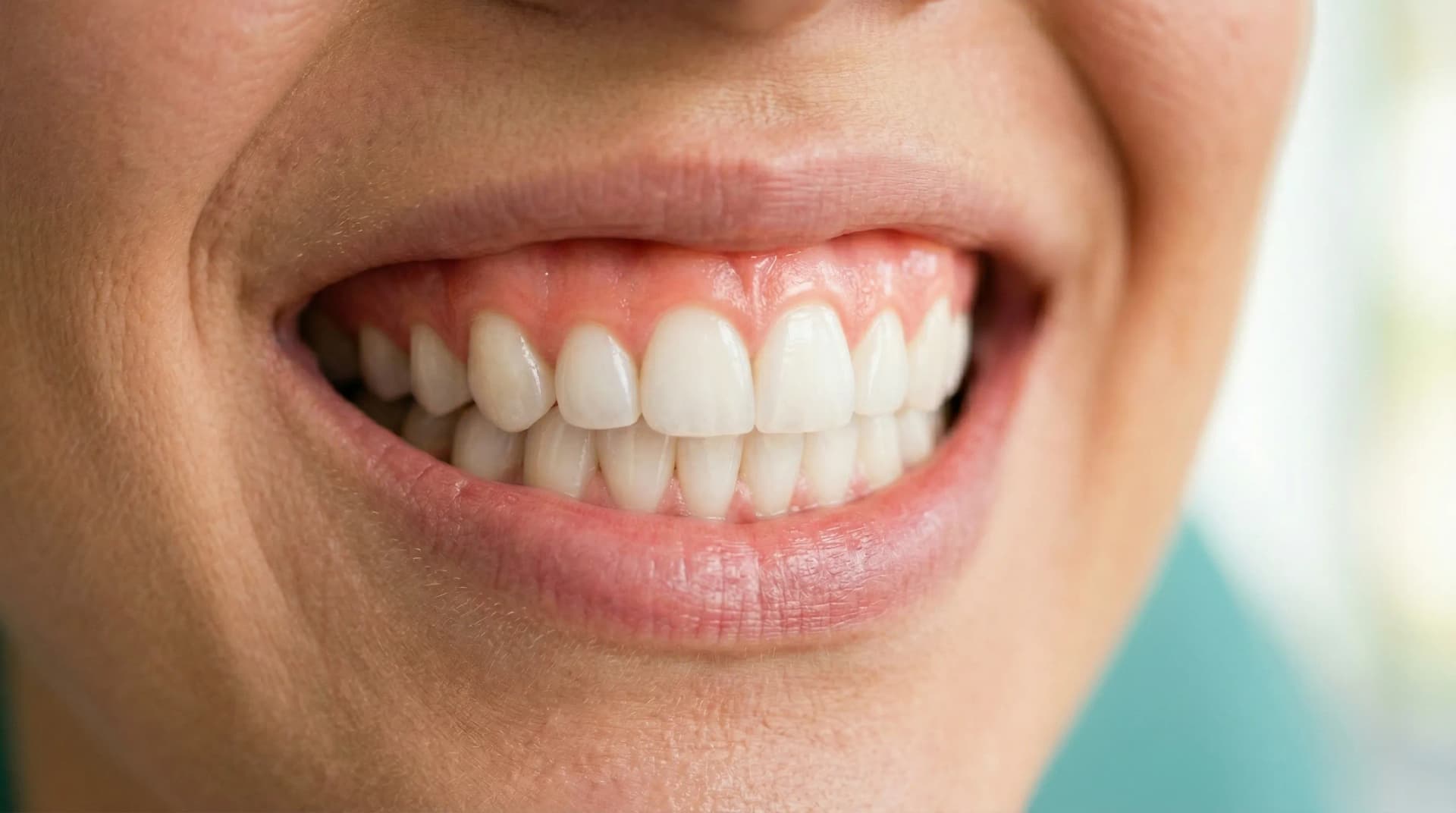
Tooth erosion is the chemical dissolution of tooth enamel by acids that are not produced by oral bacteria — distinguishing it from dental caries. Common sources include dietary acids (citrus, soda, vinegar), gastric acid (from reflux or vomiting), and environmental exposures. Once enamel is lost, it does not regenerate, making prevention the most important strategy.
What Is Tooth Erosion?
Tooth erosion (also called dental erosion or acid erosion) is the irreversible loss of tooth enamel caused by chemical dissolution from acids. Unlike dental caries, which involves acids produced by bacteria metabolizing sugars, tooth erosion is caused by acids introduced from external sources (diet) or internal sources (stomach acid).
Enamel is the hardest substance in the human body, but it is vulnerable to acidic environments. When the pH at the tooth surface drops below approximately 5.5, enamel begins to dissolve. Repeated acid exposure without sufficient time for saliva to neutralize the acid and remineralize the surface leads to progressive enamel loss.
Tooth erosion is increasingly common, particularly among younger adults. A systematic review in Journal of Dentistry (2018) estimated the prevalence of dental erosion in permanent teeth at approximately 30%, with rates increasing in populations with high consumption of acidic foods and beverages.
Causes and Risk Factors
Acid sources contributing to tooth erosion include:
Extrinsic (dietary and environmental) sources:
- Citrus fruits and juices (lemons, oranges, grapefruit)
- Carbonated beverages (soda, sparkling water with citric acid)
- Sports drinks and energy drinks
- Vinegar-based foods and drinks (apple cider vinegar)
- Wine (both red and white)
- Sour candies
- Occupational acid exposure (battery factories, wine tasters, swimmers in chlorinated pools)
Intrinsic (gastric) sources:
- Gastroesophageal reflux disease (GERD)
- Frequent vomiting (bulimia nervosa, morning sickness, chronic conditions)
- Rumination disorder
Behavioral and physiological factors:
- Swishing or holding acidic beverages in the mouth
- Brushing teeth immediately after acid exposure (which abrades softened enamel)
- Dry mouth — reduced saliva means less acid neutralization
- Low salivary flow or buffering capacity
Symptoms
Tooth erosion often develops gradually. Signs and symptoms may include:
- Increased tooth sensitivity, especially to hot, cold, or sweet stimuli
- Yellowing of teeth as enamel thins and the darker dentin layer shows through
- Rounded, translucent, or thin-looking tooth edges (especially front teeth)
- Smooth, shiny concavities on the tooth surface (cupping)
- Cracks and roughness on the tooth surface
- Dental fillings that appear to "rise" above the surrounding tooth surface (as enamel erodes around them)
- Increased susceptibility to cavities
If you're experiencing tooth sensitivity, our guide on sensitive teeth and cold provides additional information on managing this common symptom.
Treatment and Prevention
Treatment depends on the extent of enamel loss:
- Early erosion — Fluoride varnishes and remineralizing agents can help strengthen remaining enamel and slow further loss
- Moderate erosion — Dental bonding to cover exposed dentin and reduce sensitivity
- Severe erosion — Porcelain veneers or crowns to restore tooth structure and protect against further damage
Prevention is critical because enamel cannot regrow:
- Use a straw when drinking acidic beverages to minimize contact with teeth
- Do not swish or hold acidic drinks in the mouth
- Rinse the mouth with water or a baking soda solution after consuming acidic foods or drinks
- Wait at least 30 minutes before brushing after acid exposure — this allows saliva to remineralize softened enamel
- Use fluoride toothpaste to strengthen enamel
- Chew sugar-free gum after meals to stimulate saliva production
- Manage GERD with appropriate medical treatment
- Limit frequency of acidic food and beverage consumption
- Consider a remineralizing toothpaste containing hydroxyapatite or calcium phosphate
Research in Caries Research (2020) has investigated the effectiveness of various remineralization strategies, including fluoride treatments, hydroxyapatite-containing products, and calcium phosphate compounds. Results suggest that consistent fluoride use remains the most evidence-supported approach for protecting eroded surfaces.
If you notice signs of tooth erosion, consult your dentist for an evaluation and personalized prevention plan before further enamel is lost.