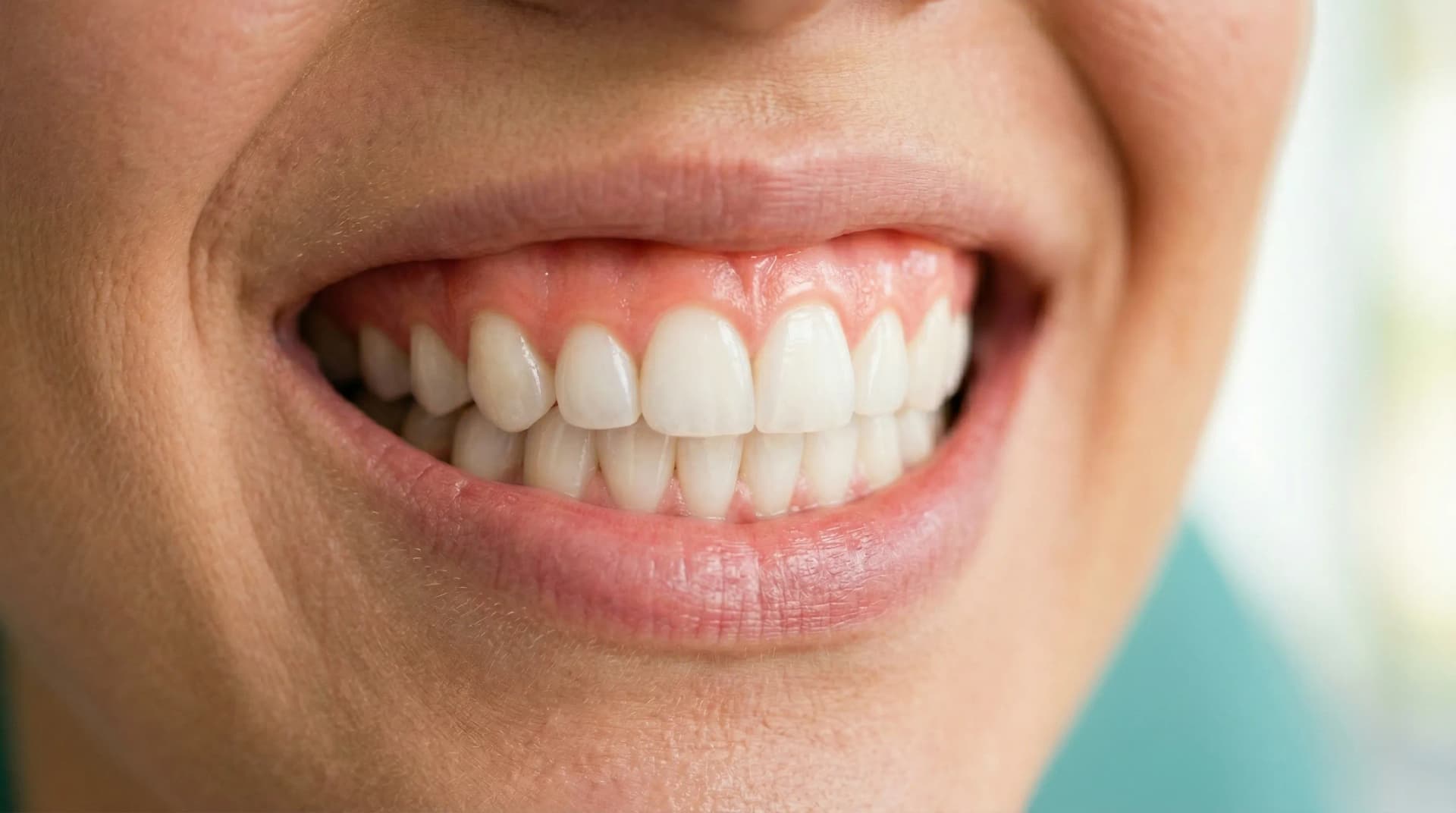
Xerostomia — the subjective sensation of dry mouth — is most commonly caused by medications, medical treatments, or underlying health conditions that reduce saliva production. Saliva plays a critical role in protecting teeth and gums, so chronic dry mouth significantly increases the risk of dental caries, gum disease, and oral infections.
What Is Xerostomia?
Xerostomia is the clinical term for dry mouth — a condition where the salivary glands do not produce enough saliva to keep the mouth adequately moist. It is important to note that xerostomia refers to the symptom (the feeling of dryness) rather than a disease itself. The underlying reduction in salivary flow is called hyposalivation.
Saliva is essential for oral health. It neutralizes acids produced by bacteria, washes away food particles, delivers minerals that help repair early tooth enamel damage, and contains antimicrobial proteins that control bacterial and fungal growth. When saliva production drops, the entire oral ecosystem becomes more vulnerable to disease.
Xerostomia affects an estimated 20% of the general population, with higher prevalence among older adults and individuals taking multiple medications (Oral Diseases, 2015).
Causes and Risk Factors
The most common causes of xerostomia include:
- Medications — Over 500 commonly prescribed drugs list dry mouth as a side effect, including antidepressants, antihistamines, blood pressure medications, diuretics, and decongestants
- Radiation therapy — Head and neck radiation for cancer treatment can permanently damage salivary glands
- Sjögren's syndrome — An autoimmune disorder that attacks moisture-producing glands
- Diabetes — Both type 1 and type 2 diabetes are associated with reduced salivary flow
- Dehydration — Insufficient fluid intake or conditions causing fluid loss
- Mouth breathing — Habitual breathing through the mouth, especially during sleep
- Aging — While aging alone does not significantly reduce saliva, older adults are more likely to take medications that do
- Nerve damage — Injury to the head or neck nerves that control salivary glands
Symptoms
Symptoms of xerostomia may include:
- A persistent feeling of dryness in the mouth
- Thick, sticky saliva
- Difficulty chewing, swallowing, or speaking
- A burning or tingling sensation on the tongue
- Cracked or chapped lips
- Frequent thirst
- Altered taste perception
- Increased incidence of cavities, especially at the gumline
- Sore throat or hoarseness
- Difficulty wearing dentures
Nighttime dry mouth is particularly common and may worsen dental problems because saliva flow naturally decreases during sleep. For more on this topic, see our article on dry mouth at night.
Treatment and Prevention
Treatment depends on the underlying cause:
Managing medication-related dry mouth:
- Discuss alternatives or dosage adjustments with your prescribing physician
- If switching medications is not possible, focus on symptom management strategies below
Symptom management:
- Sip water frequently throughout the day
- Use saliva substitutes — Over-the-counter sprays and gels that mimic natural saliva
- Chew sugar-free gum — Stimulates natural saliva production; xylitol gum may also help reduce cavity-causing bacteria
- Use a humidifier at night to add moisture to bedroom air
- Avoid caffeine, alcohol, and tobacco — All of which can worsen dryness
- Limit salty and spicy foods that irritate dry tissues
Prescription options:
- Pilocarpine or cevimeline — Medications that stimulate salivary gland secretion, often used for Sjögren's syndrome or radiation-related dry mouth
Dental prevention is critical for xerostomia patients, as the reduced saliva dramatically increases caries risk:
- Use fluoride toothpaste and consider prescription-strength fluoride rinses
- Attend dental checkups more frequently (every 3-4 months)
- Limit sugar intake, as teeth are less protected without adequate saliva
Research in BMC Oral Health (2021) suggests that probiotic lozenges may help improve subjective dry mouth symptoms and support a healthier oral microbial balance, though evidence is still emerging.
If you experience persistent dry mouth, consult your dentist and physician to identify the cause and develop a management plan tailored to your situation.