Nighttime dry mouth (xerostomia) is more than uncomfortable — it dramatically raises your risk of cavities, gum disease, and chronic bad breath. Saliva is your mouth's primary defense system, neutralizing acids, washing away bacteria, and delivering minerals that protect enamel. When saliva production drops during sleep, harmful bacteria multiply rapidly. Common causes include medications, mouth breathing, aging, and medical conditions like Sjogren's syndrome. Most cases can be managed with targeted strategies.
You wake up and your mouth feels like sandpaper. Your tongue sticks to the roof of your mouth, your lips are cracked, and your throat is scratchy. If this sounds familiar, you're dealing with nighttime dry mouth — and you're far from alone.
Xerostomia (the medical term for the sensation of dry mouth) affects an estimated 20-30% of the general population, with prevalence increasing to over 40% in adults over age 65, according to a review in the Journal of the American Dental Association (2015). It's particularly common at night because saliva production naturally decreases during sleep — your salivary glands slow down when you're not eating, speaking, or chewing.
But for many people, nighttime dryness goes beyond the normal overnight reduction. When it does, the consequences for oral health can be serious.
Why Saliva Matters More Than You Think
Before diving into causes and solutions, it's worth understanding why saliva is so critical. Your mouth produces roughly 0.5-1.5 liters of saliva per day, and this fluid performs several essential functions:
- Acid neutralization — Saliva contains bicarbonate buffers that neutralize acids produced by bacteria and from food. Without this buffering, your mouth becomes acidic, accelerating enamel dissolution.
- Mineral delivery — Saliva is supersaturated with calcium and phosphate, the building blocks of enamel. It continuously deposits these minerals back onto tooth surfaces in a process called remineralization.
- Bacterial control — Saliva contains antimicrobial proteins (lysozyme, lactoferrin, immunoglobulin A) that suppress harmful bacteria and fungi.
- Lubrication — Mucins in saliva coat and protect soft tissues from friction, drying, and microbial invasion.
- Clearance — The physical flow of saliva washes food debris and bacteria away from tooth surfaces.
When this system shuts down at night, the results compound. A study published in Caries Research (2016) found that individuals with reduced salivary flow had cavity rates 2-3 times higher than those with normal saliva production.
What Causes Dry Mouth at Night?
1. Medications (The Most Common Cause)
Over 500 medications list dry mouth as a side effect, according to the Surgeon General's Report on Oral Health. The most common culprits include:
- Antihistamines (diphenhydramine, cetirizine) — Block acetylcholine receptors on salivary glands
- Antidepressants (SSRIs, tricyclics) — Particularly tricyclics like amitriptyline
- Blood pressure medications (diuretics, ACE inhibitors, beta-blockers)
- Anti-anxiety medications (benzodiazepines)
- Pain medications (opioids)
- Decongestants (pseudoephedrine)
- Muscle relaxants and anticonvulsants
The risk increases with polypharmacy — the more medications you take, the drier your mouth is likely to be. A study in Gerodontology (2014) found that patients taking 3 or more medications had significantly higher rates of xerostomia compared to those taking fewer.
If you suspect a medication is causing your dry mouth, discuss alternatives with your prescribing doctor. Sometimes a dosage adjustment, timing change, or substitute medication can reduce dryness without compromising treatment.
2. Mouth Breathing
Breathing through your mouth at night is one of the most underrecognized causes of nighttime dryness. When air passes continuously over oral tissues, it evaporates the limited saliva present, creating a profoundly dry environment.
Common reasons for mouth breathing during sleep:
- Nasal congestion (allergies, colds, deviated septum)
- Enlarged tonsils or adenoids
- Obstructive sleep apnea (OSA)
- Habitual mouth breathing developed during childhood
Research published in the Journal of Oral Rehabilitation (2015) found that mouth breathers had significantly lower salivary pH levels during sleep compared to nasal breathers — meaning their mouths were more acidic and more vulnerable to decay.
3. Aging
Salivary gland function declines gradually with age. While aging alone doesn't cause severe xerostomia, it reduces baseline saliva production, making older adults more susceptible to medication-induced and condition-related dry mouth.
The combination of age-related salivary decline plus multiple medications is why dry mouth is so prevalent in the elderly population — and why "root cavities" (cavities on exposed root surfaces) are a hallmark dental problem in older adults.
4. Sjogren's Syndrome
Sjogren's (SHOW-grens) syndrome is an autoimmune condition in which the immune system attacks the salivary and tear-producing glands. It affects approximately 1-4 million Americans, with 90% of patients being women, according to the Sjogren's Foundation.
Dry mouth from Sjogren's is typically severe and progressive. If you experience persistent dry mouth along with dry eyes, joint pain, and fatigue, discuss Sjogren's testing with your physician. Early diagnosis and management can significantly improve quality of life and protect dental health.
5. CPAP Use
Continuous Positive Airway Pressure (CPAP) machines — the standard treatment for obstructive sleep apnea — are a major cause of nighttime dry mouth. The pressurized air delivered through the mask dries out oral and nasal tissues, particularly when air leaks around the mask or when the user breathes through the mouth.
A study in Sleep Medicine (2016) found that up to 40% of CPAP users report dry mouth as a significant side effect. Solutions include using a heated humidifier attachment (most modern CPAP units have one), ensuring proper mask fit to minimize leaks, and using a full-face mask if mouth breathing is an issue.
6. Other Contributing Factors
- Dehydration — Not drinking enough water during the day, or consuming alcohol or caffeine in the evening
- Diabetes — Both type 1 and type 2 diabetes are associated with reduced salivary flow
- Radiation therapy — Head and neck radiation can permanently damage salivary glands
- Nerve damage — Injury to nerves supplying salivary glands (from surgery or trauma)
- Smoking and tobacco use — Reduces salivary flow and alters saliva composition
The Dental Dangers of Nighttime Dry Mouth
Dry mouth at night isn't just uncomfortable — it creates conditions that actively damage your teeth and gums.
Rampant Cavities
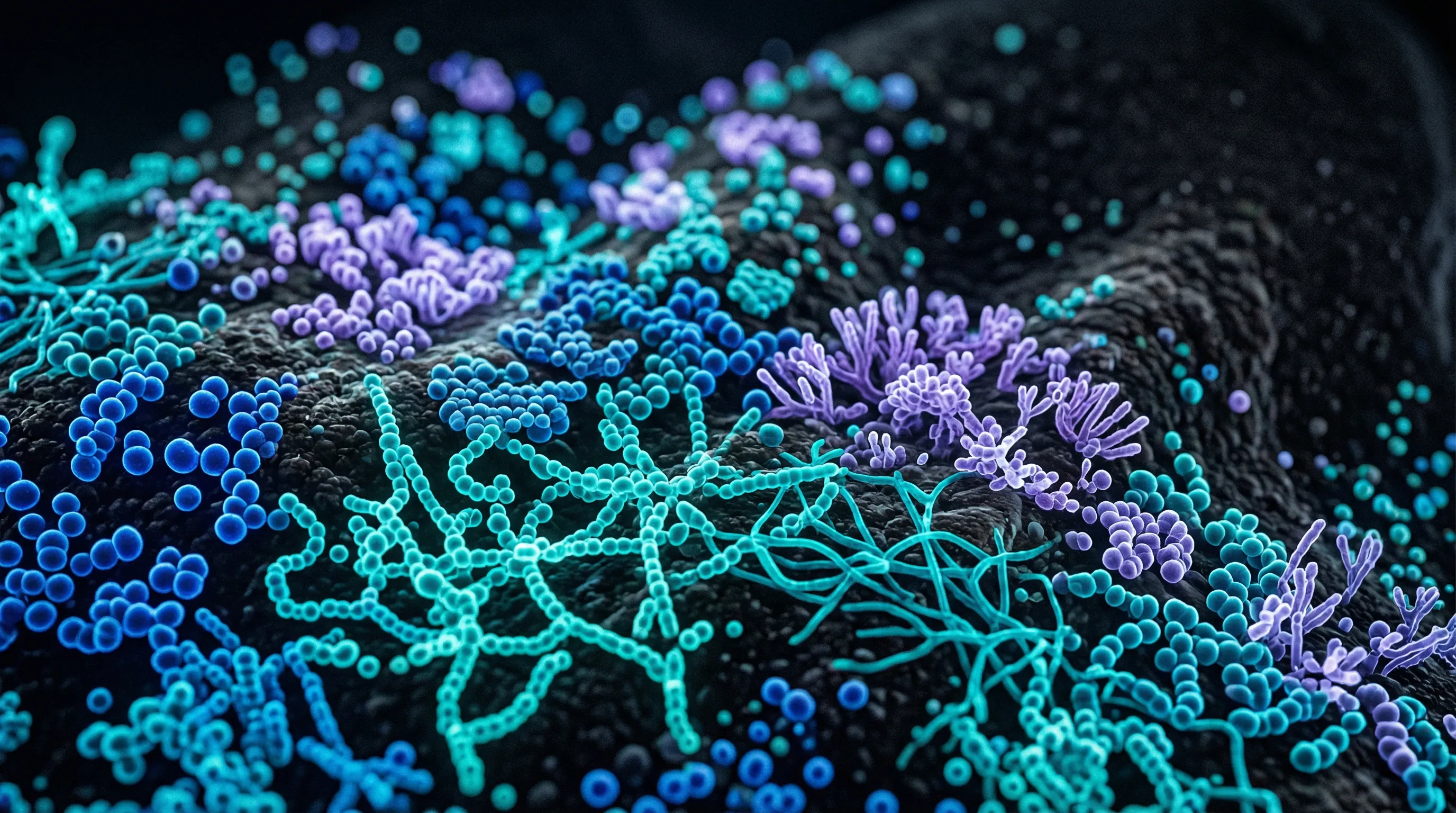
Without saliva's protective buffering, acid-producing bacteria like Streptococcus mutans thrive unchecked during the night. The pH of a dry mouth can drop to levels that dissolve enamel (below 5.5) and stay there for hours. This is why people with chronic dry mouth often develop a distinctive pattern of cavities — rapid, widespread decay affecting surfaces that don't normally get cavities, including the smooth surfaces near the gumline and the edges of existing fillings.
Gum Disease
Saliva's antimicrobial properties are a key defense against the bacteria that cause gingivitis and periodontitis. Reduced saliva allows pathogenic bacteria to proliferate along and below the gumline. A study in the Journal of Periodontology (2009) found a significant association between xerostomia and increased periodontal disease severity.
Chronic Bad Breath
Bacteria that thrive in dry, oxygen-poor conditions produce volatile sulfur compounds — the primary source of halitosis. The specific oral bacteria behind bad breath multiply rapidly when saliva is absent. Morning breath is worse for everyone, but for people with nighttime dry mouth, it can be severe and persistent throughout the day.
Oral Candidiasis (Thrush)
The fungus Candida albicans is normally kept in check by saliva's antifungal properties. In a dry mouth, Candida can overgrow, causing painful white patches, a burning sensation, and altered taste. This is particularly common in denture wearers and immunocompromised individuals with dry mouth.
Effective Relief Strategies
1. Bedroom Humidifier
Adding moisture to your bedroom air helps prevent evaporative drying of oral tissues during sleep. Use a cool-mist humidifier and aim for 40-50% relative humidity. Clean the humidifier regularly to prevent mold and bacteria growth.
This is especially helpful for people in dry climates, during winter when heating systems dehumidify indoor air, and for CPAP users.
2. Stay Hydrated
Proper hydration supports saliva production throughout the day. Specific strategies for nighttime dryness:
- Sip water throughout the day rather than drinking large amounts at once
- Keep a water bottle at your bedside for nighttime sips
- Limit caffeine and alcohol in the evening — both are diuretics that promote dehydration
- Avoid salty foods close to bedtime
3. Xylitol Products
Xylitol is a natural sugar alcohol that stimulates saliva production and actively inhibits cavity-causing bacteria. Streptococcus mutans cannot metabolize xylitol, so exposure to it literally starves the bacteria.
Research is extensive: a systematic review in the Journal of Dental Research (2012) found that xylitol exposure of 6-10 grams per day significantly reduced cavity rates. Practical nighttime options include:
- Xylitol lozenges or mints dissolved slowly before bed
- Xylitol mouth spray applied to oral tissues before sleep
- Xylitol chewing gum during the day to build salivary stimulation habits
4. Saliva Substitutes
For people whose salivary glands can't produce enough saliva (due to Sjogren's, radiation damage, or medications), artificial saliva products provide substitute lubrication. These typically contain carboxymethylcellulose or hydroxyethylcellulose to mimic saliva's viscosity.
Popular options include Biotene Moisturizing Mouth Spray, Oasis Moisturizing Mouth Spray, and XyliMelts (which adhere to your gum and release xylitol slowly overnight). A study in Special Care in Dentistry (2011) found that sustained-release xylitol discs significantly improved overnight comfort in xerostomia patients.
ProDentim
Oral Probiotic for Gum & Teeth Health
ProDentim's oral probiotic formula contains beneficial bacteria that may support a healthier oral environment when saliva is reduced. Probiotics can help crowd out harmful bacteria that thrive in dry mouth conditions.
We may earn a commission if you make a purchase through our links, at no extra cost to you.
5. Mouth Taping
Mouth taping — using a small strip of medical-grade tape over the lips during sleep — has gained attention as a method to encourage nasal breathing and reduce mouth dryness. The concept is straightforward: if the mouth stays closed, air doesn't dry out oral tissues.
A pilot study in Healthcare (2022) found that mouth taping improved subjective dry mouth symptoms in habitual mouth breathers. However, research is still limited, and this approach is not suitable for everyone:
- Do not tape your mouth if you have nasal obstruction, severe allergies, or untreated sleep apnea
- Start with porous, easy-to-remove tape (not duct tape or packing tape)
- Discuss with your doctor before trying this approach, particularly if you have any breathing conditions
6. Nasal Breathing Optimization
If nasal congestion drives your mouth breathing, addressing the root cause is critical:
- Treat allergies (antihistamines, nasal corticosteroid sprays)
- Use saline nasal rinses before bed
- Elevate the head of your bed slightly
- Consider evaluation for deviated septum or nasal polyps if congestion is chronic
- Breathe Right strips or similar nasal dilators can improve airflow
7. Oral Hygiene Adjustments
When you have dry mouth, standard oral hygiene needs modification:
- Use a fluoride toothpaste — The extra mineral protection is crucial when saliva's buffering is reduced
- Apply fluoride rinse before bed — A 0.05% sodium fluoride rinse provides additional protection during vulnerable nighttime hours
- Avoid alcohol-based mouthwashes — Alcohol dries out oral tissues further and may kill beneficial bacteria your mouth needs. Choose alcohol-free formulations.
- Brush gently — Dry tissues are more fragile and susceptible to abrasion
When to Seek Professional Help
Consult your dentist or physician if:
- Dry mouth persists despite trying home strategies
- You're developing new cavities despite good oral hygiene
- You notice white patches, burning, or altered taste (signs of oral candidiasis)
- Dry mouth is accompanied by dry eyes, joint pain, or fatigue (possible Sjogren's syndrome)
- You suspect sleep apnea (snoring, daytime fatigue, witnessed breathing pauses)
Your dentist can prescribe higher-strength fluoride products (prescription 1.1% sodium fluoride toothpaste or fluoride trays), recommend salivary stimulants (pilocarpine or cevimeline for Sjogren's), and monitor for early signs of decay and gum disease with more frequent checkups.
ProDentim
Oral Probiotic for Gum & Teeth Health
For those managing dry mouth, ProDentim's probiotic blend may help maintain a balanced oral microbiome even when saliva production is reduced. A healthy bacterial balance is especially important when your mouth's natural defenses are compromised.
We may earn a commission if you make a purchase through our links, at no extra cost to you.
Living with Nighttime Dry Mouth
Dry mouth at night is a manageable condition, but it does require proactive attention. The stakes are real — unchecked nighttime dryness can lead to rapid dental deterioration that's expensive and painful to fix.
The most effective approach combines multiple strategies: hydration, humidity, xylitol, adjusted oral hygiene, and treating the underlying cause when possible. If medications are the culprit, even small timing adjustments (like taking the medication in the morning instead of at bedtime) can reduce overnight dryness.
Most importantly, increase your dental visit frequency. People with chronic dry mouth benefit from cleanings and exams every 3-4 months rather than the standard 6 months. Early detection of cavities and gum changes is far easier and less costly to address than advanced damage.
Related reading: