Pregnancy triggers hormonal changes that significantly affect the oral microbiome and gum tissue response, making pregnant individuals more susceptible to gingivitis, periodontal disease progression, and enamel erosion. Research suggests a link between severe periodontal disease and adverse pregnancy outcomes including preterm birth and low birth weight, though the evidence on causality continues to evolve. Routine dental care is considered safe during pregnancy — and professional organizations including the American College of Obstetricians and Gynecologists actively recommend it. The second trimester is generally considered the most comfortable time for elective dental procedures, but urgent care should not be delayed in any trimester.
Pregnancy changes nearly every system in the body — and the mouth is no exception. Hormonal shifts that begin in the first trimester alter how gum tissue responds to bacteria, how saliva functions, and which microbial species thrive in the oral environment. These changes are not trivial: research consistently links poor maternal oral health to complications that may affect both the pregnant individual and the developing child.
Despite this, dental care during pregnancy is often postponed or avoided due to misconceptions about safety. In reality, the evidence strongly supports maintaining — and even intensifying — oral hygiene and professional dental care throughout pregnancy. Understanding why pregnancy affects oral health, and what to do about it, is essential knowledge for expectant parents and their healthcare providers.
Hormonal Changes and Gum Inflammation
The most well-documented oral effect of pregnancy is an exaggerated inflammatory response to dental plaque, driven primarily by elevated levels of progesterone and estrogen.
During pregnancy, progesterone levels increase approximately 10-fold and estrogen levels increase approximately 30-fold compared to pre-pregnancy baseline. These hormones directly affect gum tissue (gingival tissue) in several ways:
Increased vascular permeability — Progesterone increases the permeability of blood vessels in the gingiva, leading to greater fluid accumulation (edema) and increased bleeding tendency. A study published in Journal of Clinical Periodontology, 2001 demonstrated that gingival crevicular fluid flow — a marker of local inflammation — increased significantly during the second and third trimesters, correlating with hormonal peaks.
Altered immune response — Estrogen and progesterone modulate the local immune response in gum tissue, shifting the balance of pro-inflammatory and anti-inflammatory cytokines. This creates a paradox: the immune system becomes simultaneously more reactive to bacterial plaque (causing more visible inflammation) and less effective at clearing pathogenic bacteria.
Enhanced bacterial growth — Certain periodontal pathogens, particularly Prevotella intermedia, can use progesterone and estrogen as growth factors, substituting these steroid hormones for vitamin K (naphthoquinone) in their metabolic pathways. A landmark study in Infection and Immunity, 1980 first identified this relationship, explaining why pathogenic bacteria may proliferate during pregnancy even without changes in oral hygiene behavior.
The clinical result of these changes is pregnancy gingivitis.
Pregnancy Gingivitis: What It Looks Like
Pregnancy gingivitis affects an estimated 60-75% of pregnant individuals, making it one of the most common pregnancy-related conditions. It typically becomes noticeable in the second month of pregnancy, peaks in the third trimester, and gradually resolves after delivery as hormone levels return to baseline.
The signs mirror those of conventional gingivitis but tend to be more pronounced relative to the amount of plaque present:
- Red, swollen gum tissue — particularly along the gumline and between teeth
- Bleeding during brushing or flossing — often the first symptom noticed; understanding why gums bleed when brushing can help distinguish normal from concerning bleeding
- Tender or sensitive gums — gum tissue may feel sore when touched or during eating
- Gum enlargement (hypertrophy) — in some cases, the interdental papillae (the triangular gum tissue between teeth) may become noticeably enlarged
In a small percentage of pregnancies (approximately 1-5%), a localized overgrowth called a pregnancy granuloma (or "pregnancy tumor") may develop — typically on the gum tissue between the upper front teeth. Despite the alarming name, pregnancy granulomas are benign, non-cancerous growths. They are highly vascular (hence their deep red or purple color), may bleed easily, and usually resolve spontaneously after delivery. If a pregnancy granuloma interferes with eating or oral hygiene, a dentist may recommend removal during pregnancy, but many practitioners prefer to wait unless the lesion is problematic.
The critical point about pregnancy gingivitis is that it represents an exaggerated response to existing plaque — not a new disease process. The same bacterial plaque that causes minimal inflammation in a non-pregnant individual may provoke a much more vigorous inflammatory response during pregnancy due to hormonal sensitization. This means that meticulous plaque removal becomes even more important during pregnancy.
Periodontal Disease and Adverse Pregnancy Outcomes
Beyond the discomfort of gingivitis, a more serious concern has driven significant research attention: the potential association between periodontal disease and adverse pregnancy outcomes.
The Evidence
A body of observational research — spanning over two decades — suggests that moderate to severe periodontal disease during pregnancy may be associated with:
- Preterm birth (delivery before 37 weeks gestation)
- Low birth weight (birth weight below 2,500 grams)
- Preeclampsia (pregnancy-related high blood pressure and organ damage)
The initial landmark study, published by Offenbacher and colleagues in Journal of Periodontology, 1996, found that mothers with periodontal disease had a 7.5-fold increased risk of preterm low birth weight delivery. Subsequent systematic reviews, including one published in Journal of Clinical Periodontology, 2013, have generally confirmed an association, though with more modest effect sizes (typically 1.5 to 2-fold increased risk).
The Proposed Mechanisms
Several biologically plausible mechanisms have been proposed to explain how oral infections might influence pregnancy outcomes:
-
Systemic inflammatory burden — Periodontal disease generates chronic, low-grade systemic inflammation. Pro-inflammatory mediators (IL-1, IL-6, TNF-alpha, prostaglandin E2) produced at the infected gum sites enter the bloodstream and may contribute to the inflammatory cascade that triggers preterm labor.
-
Bacteremia — Periodontal pathogens, particularly P. gingivalis and Fusobacterium nucleatum, can enter the bloodstream through inflamed gum tissue. Research published in Obstetrics & Gynecology, 2010 detected F. nucleatum in amniotic fluid and placental tissue of women who delivered preterm, suggesting direct bacterial translocation from the oral cavity to the uterine environment.
-
Immune cross-reactivity — Antibodies generated against periodontal pathogens may cross-react with placental or fetal tissues, potentially triggering immune-mediated complications.
Important Caveats
It is essential to note that the relationship between periodontal disease and adverse pregnancy outcomes remains an active area of research with significant nuance:
- Association does not prove causation. Both periodontal disease and adverse pregnancy outcomes share common risk factors (smoking, socioeconomic status, stress, diabetes), making it difficult to isolate the independent contribution of periodontal disease.
- Intervention trials have shown mixed results. Several large randomized controlled trials — including the Obstetrics and Periodontal Therapy (OPT) Study published in the New England Journal of Medicine, 2006 — found that periodontal treatment during pregnancy successfully improved gum health but did not significantly reduce preterm birth rates. This suggests the relationship may be more complex than a simple causal chain.
- Periodontal treatment during pregnancy is safe. Despite the inconclusive results on preterm birth prevention, these trials consistently demonstrated that professional dental cleaning and scaling during pregnancy is safe for both mother and child.
The clinical takeaway: maintaining good oral health during pregnancy is strongly recommended on its own merits, and the potential association with pregnancy outcomes provides additional motivation. However, periodontal treatment should not be viewed as a guaranteed method to prevent preterm birth.
Morning Sickness and Enamel Erosion
Approximately 70-80% of pregnant individuals experience nausea and vomiting during the first trimester (and sometimes beyond). When vomiting is frequent, the repeated exposure of tooth enamel to stomach acid (hydrochloric acid, pH approximately 1-2) can cause significant enamel erosion.
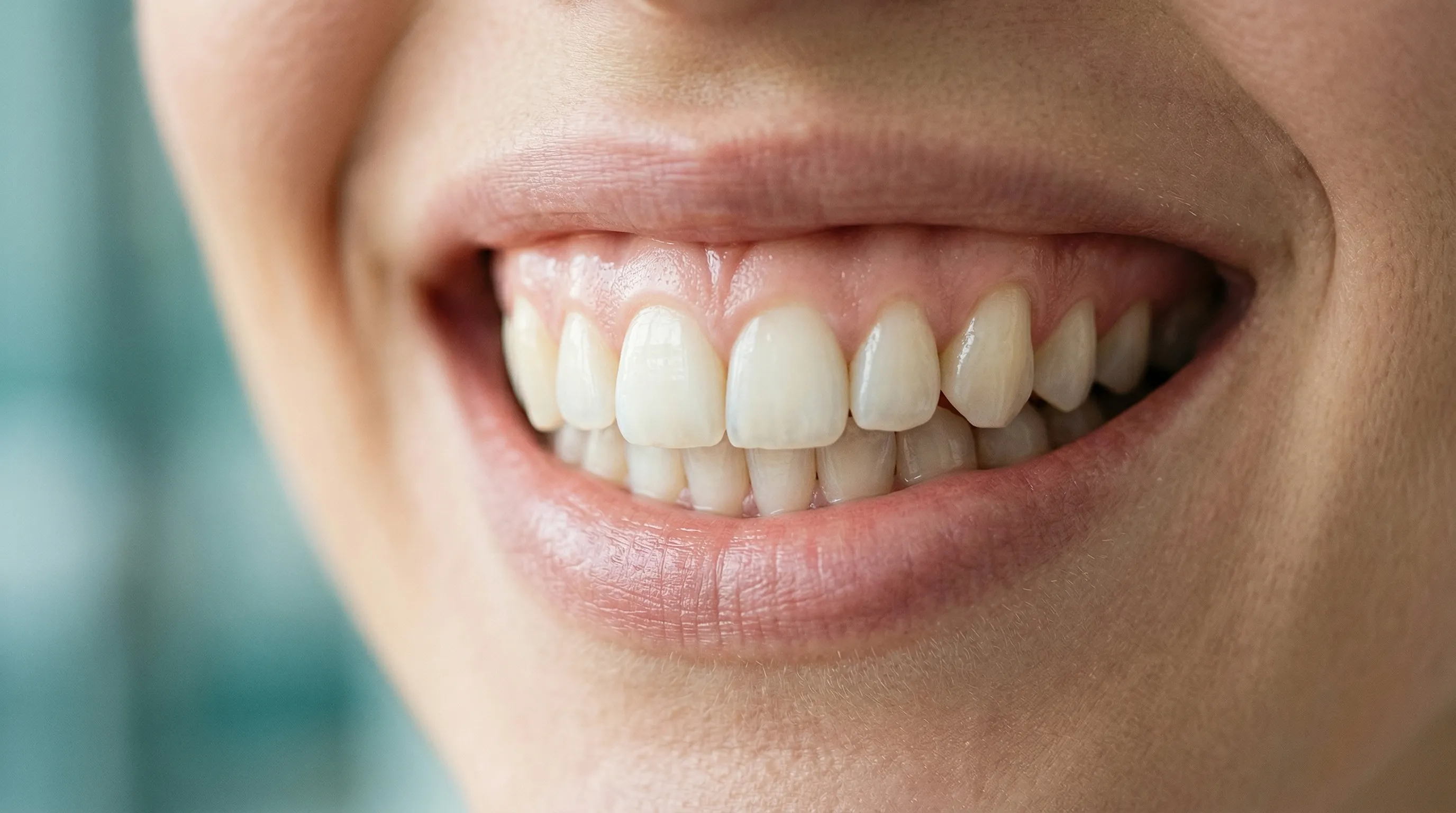
Enamel erosion from vomiting typically affects the palatal (tongue-side) surfaces of the upper front teeth, where stomach acid makes the most direct contact. Over time, this can lead to increased tooth sensitivity, discoloration, and weakened enamel structure.
Important practical tip: After vomiting, do NOT brush your teeth immediately. The enamel surface is softened by acid exposure and is more susceptible to abrasive damage from brushing. Instead:
- Rinse your mouth with plain water or a baking soda solution (1 teaspoon of baking soda in 1 cup of water) to neutralize the acid
- Wait at least 30 minutes before brushing, allowing saliva to remineralize the enamel surface
- Use a fluoride rinse after waiting, if available, to promote remineralization
For individuals with severe morning sickness (hyperemesis gravidarum), consulting both an obstetrician and a dentist about strategies to protect enamel is advisable. Some dentists recommend custom fluoride trays for patients experiencing frequent vomiting.
Safe Dental Care During Pregnancy
One of the most persistent myths about pregnancy and dental care is that dental treatment should be avoided. Multiple professional organizations have issued clear statements to the contrary:
- The American College of Obstetricians and Gynecologists (ACOG) recommends oral health assessment and dental care as part of comprehensive prenatal care
- The American Dental Association (ADA) states that preventive, diagnostic, and restorative dental treatment is safe throughout pregnancy
- The American Academy of Periodontology recommends periodontal evaluation and treatment for all pregnant patients
What Is Safe in Each Trimester
First trimester (weeks 1-12): Routine dental cleanings and examinations are safe. Elective procedures are often postponed to the second trimester when the risk of developmental disruption is lower and nausea has typically subsided. However, urgent dental care (treatment of infections, pain relief, management of acute conditions) should not be delayed — untreated dental infections pose a greater risk than dental treatment.
Second trimester (weeks 13-27): This is generally considered the optimal window for dental treatment. Morning sickness has usually resolved, the uterus is not yet large enough to cause significant discomfort when reclined, and fetal organ development is largely complete. Routine cleanings, cavity fillings, root canals, and periodontal treatment are all considered safe. Dental X-rays with proper lead apron shielding are safe when clinically necessary — the radiation exposure from dental radiographs is extremely low (far below the threshold associated with any fetal risk).
Third trimester (weeks 28-40): Dental care remains safe, though prolonged time in the dental chair may be uncomfortable due to the weight of the uterus on the inferior vena cava when lying on the back (supine hypotensive syndrome). Dentists may position patients in a semi-reclined or left-lateral tilt position to avoid this. Elective procedures are sometimes postponed until after delivery for comfort reasons, but necessary treatment should proceed.
Medications and Anesthesia
- Lidocaine with epinephrine (the most common dental local anesthetic) is classified as safe during pregnancy (FDA Category B)
- Acetaminophen (Tylenol) is considered the safest pain reliever during pregnancy
- Amoxicillin and penicillin are the preferred antibiotics when dental infection requires antibiotic treatment
- NSAIDs (ibuprofen) should generally be avoided, especially in the third trimester, due to potential effects on fetal circulation
- Any supplement or probiotic product should only be used during pregnancy after consultation with your healthcare provider, as safety data during pregnancy may be limited
Oral Hygiene Tips for Each Trimester
First Trimester
- If morning sickness makes brushing difficult (gag reflex triggered by toothbrush), try a smaller-headed toothbrush, brush at a time when nausea is least severe, or switch to a bland-tasting toothpaste
- Rinse with baking soda solution after vomiting episodes
- Maintain daily flossing — gum inflammation may begin increasing even before it is visible
- Inform your dentist that you are pregnant at your next appointment
Second Trimester
- Schedule a professional dental cleaning if you have not had one recently
- Address any cavities or gum issues identified during your dental visit — this is the optimal treatment window
- Continue twice-daily brushing and daily flossing; you may notice increased gum bleeding despite good hygiene, which is a normal hormonal effect but should still be monitored
- Consider adding an alcohol-free, fluoride-containing mouth rinse to your routine
- Eat a balanced diet rich in calcium, vitamin D, and vitamin C to support both tooth structure and gum tissue integrity — foods that support gum health are especially beneficial during pregnancy
Third Trimester
- Continue meticulous oral hygiene — pregnancy gingivitis typically peaks during this period
- If lying flat for brushing or dental visits becomes uncomfortable, use a semi-reclined position
- Prepare for postpartum oral care: the hormonal shifts after delivery will gradually resolve pregnancy gingivitis, but consistent hygiene remains essential
- If you experience any persistent gum swelling, pain, or a rapidly growing gum lesion, see your dentist promptly — do not wait until after delivery
When to See a Dentist During Pregnancy
Beyond routine scheduled visits, seek dental care promptly if you experience:
- Significant gum bleeding that does not improve with thorough home care
- Gum pain or swelling that interferes with eating or daily function
- A rapidly growing gum lesion (possible pregnancy granuloma)
- Toothache or sensitivity suggesting a cavity or infection
- Loose teeth — severe periodontal disease can cause tooth mobility, and pregnancy-related changes in the periodontal ligament may increase this sensation
- Signs of dental infection (swelling, pus, fever) — dental infections require prompt treatment during pregnancy, as untreated infections may pose risks to both mother and child
Do not postpone necessary dental treatment due to pregnancy. The risk of untreated dental disease is consistently greater than the risk of routine dental care. Your dentist and obstetrician can coordinate care to ensure both safety and effectiveness.
This article is for educational purposes only and does not constitute medical or obstetric advice. Always consult your dentist, obstetrician, or healthcare provider for personalized guidance on oral health and dental treatment during pregnancy. Do not start or stop any medication, supplement, or treatment without professional guidance.