Smoking is one of the most destructive forces affecting the oral microbiome. Research demonstrates that cigarette smoking depletes beneficial bacterial species, enriches pathogenic organisms associated with periodontal disease (particularly Porphyromonas gingivalis and Treponema denticola), reduces blood flow to gum tissue, impairs local immune defenses, and masks early warning signs of gum disease — creating a "perfect storm" for periodontal destruction. Smokers face 5 to 20 times the risk of severe periodontal disease compared to non-smokers. The encouraging news: research suggests the oral microbiome begins recovering within weeks of quitting, with significant improvements over 1 to 10 years.
Smoking does not just stain teeth and cause bad breath. At the microbial level, it fundamentally restructures the oral ecosystem — replacing health-associated bacterial communities with pathogenic ones while simultaneously disabling the body's ability to fight back. The result is a mouth that is biochemically and ecologically primed for disease.
The relationship between smoking and oral health has been studied for decades, but advances in microbiome sequencing technology over the past ten years have revealed just how profound the damage is. What was once understood as "smoking causes gum disease" is now understood as "smoking systematically dismantles the microbial balance that maintains gum health."
How Smoking Changes Oral Microbiome Composition
The human oral microbiome consists of approximately 700 identified bacterial species existing in complex, interdependent communities. In a healthy non-smoker, this community is dominated by commensal and health-associated species that collectively resist pathogenic colonization, modulate immune responses, and maintain tissue homeostasis.
Smoking disrupts this equilibrium with remarkable consistency across populations and studies.
Depletion of Beneficial Species
A landmark study published in the ISME Journal, 2015 used 16S rRNA gene sequencing to compare the oral microbiomes of current smokers, former smokers, and never-smokers across over 1,200 participants. The findings were striking:
- Current smokers showed significantly reduced abundance of the phylum Proteobacteria — a group that includes numerous health-associated aerobic species that help maintain oxygen levels and compete with anaerobic pathogens
- Specifically, species within the genera Neisseria, Haemophilus, and Capnocytophaga — considered markers of a healthy oral ecosystem — were substantially depleted in smokers
- The beneficial species Streptococcus sanguinis and Streptococcus gordonii, which produce hydrogen peroxide and compete with cariogenic bacteria, were reduced
The depletion of these protective species creates ecological vacancies — open niches that pathogenic bacteria rapidly fill.
Enrichment of Pathogenic Bacteria
As beneficial species decline, pathogenic species expand. Research consistently shows that smokers harbor significantly higher levels of:
Porphyromonas gingivalis — The keystone pathogen in periodontal disease. A study in the Journal of Clinical Microbiology, 2005 found that P. gingivalis was detected in subgingival plaque samples of smokers at significantly higher rates and abundance compared to non-smokers, even in individuals without clinical signs of periodontitis. Smoking appears to enrich P. gingivalis before disease becomes clinically apparent — setting the stage for future destruction.
Treponema denticola — A spirochete bacterium that, together with P. gingivalis and Tannerella forsythia, forms the "red complex" most strongly associated with severe periodontitis. Research published in Journal of Periodontology, 2009 found elevated T. denticola levels in the subgingival plaque of smokers.
Tannerella forsythia — The third member of the red complex, consistently enriched in smokers across multiple studies.
Fusobacterium nucleatum — The bridge organism that facilitates co-aggregation between early and late colonizers in dental biofilm. Its increased abundance in smokers may accelerate the ecological succession from health-associated to pathogenic biofilm communities.
A comprehensive microbiome analysis published in mBio, 2021 confirmed that smoking creates a subgingival environment enriched in anaerobic, gram-negative pathogens — the exact microbial signature associated with progressive periodontal disease.
Reduced Microbial Diversity
Beyond shifting the balance between specific species, smoking reduces overall microbial diversity in the oral cavity. Lower diversity is a consistent marker of ecological instability and disease susceptibility across microbiome research — whether in the gut, the mouth, or other body sites.
Research in Microbiome, 2019 found that current smokers had significantly lower alpha diversity (within-sample species richness) compared to never-smokers. This loss of diversity reduces the competitive pressure on pathogenic species and diminishes the ecological resilience of the oral community — its ability to recover from disturbances and resist pathogenic takeover.
Smoking and Periodontal Disease Risk
The microbiome disruption caused by smoking translates directly into dramatically elevated periodontal disease risk.
The Numbers
The epidemiological evidence is overwhelming and consistent:
- Smokers are approximately 5 times more likely to develop periodontitis than non-smokers, according to a meta-analysis published in Journal of Dental Research, 2007
- Heavy smokers (more than 1 pack per day) face up to 20 times the risk of severe periodontal disease
- Smoking accounts for an estimated 50% of all periodontitis cases in the United States
- The risk is dose-dependent: more cigarettes per day and more years of smoking correlate with greater disease severity
Smoking is, after bacterial plaque itself, the single most important modifiable risk factor for periodontal disease.
Why Smoking Makes Periodontal Disease Worse
The combination of microbiome disruption, impaired blood flow, and compromised immunity creates a "perfect storm" for periodontal destruction:
Reduced blood flow to gum tissue — Nicotine causes vasoconstriction (narrowing of blood vessels) in the gingiva, reducing oxygen delivery, nutrient supply, and immune cell trafficking to gum tissue. This reduced blood flow has a particularly insidious consequence: it masks the early warning signs of gum disease. While non-smokers with gingivitis typically experience bleeding gums when brushing — an important early alert — smokers' gums may not bleed despite significant underlying inflammation and tissue destruction. By the time a smoker notices symptoms, the disease may already be advanced.
Impaired immune response — Smoking suppresses several components of the local immune defense:
- Neutrophil function — Neutrophils are the first-responder immune cells that combat bacterial infection in the gingival sulcus. Smoking impairs neutrophil chemotaxis (the ability to migrate toward infection), phagocytosis (the ability to engulf bacteria), and oxidative killing capacity. A study in Journal of Periodontology, 2001 demonstrated that smokers' neutrophils were significantly less effective at killing periodontal pathogens.
- Antibody production — Smoking may reduce the production of protective IgA antibodies in saliva, diminishing a key first-line defense against bacterial colonization.
- Cytokine balance — Smoking alters the balance of pro-inflammatory and anti-inflammatory cytokines in gum tissue, promoting chronic destructive inflammation while impairing the resolution of that inflammation.
Impaired wound healing — The reduced blood flow, impaired immune function, and altered cellular metabolism caused by smoking significantly slow tissue repair and regeneration. This means that periodontal treatment outcomes are consistently worse in smokers — gum tissue heals more slowly after scaling, surgery, and implant placement.
Increased biofilm tenacity — Research suggests that the chemical environment created by smoking (altered saliva composition, reduced oxygen, nicotine presence) may promote denser, more adherent biofilm formation on tooth surfaces, making plaque removal more difficult.
E-Cigarettes and the Oral Microbiome
As traditional cigarette use declines, electronic cigarette (e-cigarette) use has risen dramatically, particularly among younger adults. The question of whether vaping damages the oral microbiome has generated increasing research attention — and the early findings are concerning.
A study published in Science Advances, 2020 found that e-cigarette users exhibited distinct oral microbiome alterations compared to both non-smokers and traditional cigarette smokers. E-cigarette use was associated with:
- Enrichment of pathogenic species including Porphyromonas and Veillonella
- Increased markers of gingival inflammation
- Altered host immune gene expression in oral epithelial cells
Research in iScience, 2022 found that e-cigarette users showed early signs of periodontal microbiome dysbiosis and subclinical inflammation, even in young adults without diagnosed periodontal disease.
While the long-term effects of e-cigarettes on oral health are not yet fully characterized (the products have not existed long enough for longitudinal studies), the early evidence suggests that vaping is not a "safe" alternative for oral health. The aerosol from e-cigarettes exposes oral tissues to nicotine (which causes vasoconstriction and impairs immune function), propylene glycol (which is hygroscopic and may dry oral tissues), flavoring chemicals (some of which are cytotoxic to oral epithelial cells), and ultrafine particles.
The assumption that switching from cigarettes to e-cigarettes eliminates oral health risks appears to be unfounded based on current evidence. Further research is needed, but caution is warranted.
Recovery Timeline After Quitting
One of the most motivating findings from oral microbiome research is that quitting smoking initiates measurable recovery — though full restoration takes time.
The Recovery Trajectory
Within weeks: Blood flow to gum tissue begins improving as the vasoconstrictive effects of nicotine diminish. The immune system starts regaining function. Early colonizers of beneficial species may begin reappearing in the oral microbiome.
1-3 months: Gum bleeding may temporarily increase as blood flow returns to inflamed tissue that was previously masked by vasoconstriction. This can be alarming but is actually a positive sign — it means the immune system is responding to existing inflammation that was previously suppressed. Gum inflammation may begin to show clinical improvement.
1 year: The large oral microbiome study in the ISME Journal, 2015 found that former smokers who had quit for more than one year showed oral microbiome compositions that were shifting back toward the non-smoker profile — with partial recovery of Proteobacteria abundance and reduction in anaerobic pathogens.
5-10 years: Periodontal disease risk gradually approaches (though may not fully reach) that of never-smokers. A study published in Journal of Clinical Periodontology, 2006 estimated that former smokers who had quit for more than 10 years had periodontal disease risk similar to never-smokers.
10+ years: The ISME Journal, 2015 study found that the oral microbiomes of long-term former smokers were "indistinguishable" from those of never-smokers, suggesting that full microbial recovery is achievable — it simply takes time.
The key message: the oral microbiome is resilient. The damage from smoking is severe but not permanent. Every day without a cigarette allows the microbial ecosystem to take one step closer to health.
Steps to Restore Oral Health After Quitting
If you have recently quit smoking — or are planning to — the following evidence-based steps may support oral microbiome recovery and overall oral health restoration.
1. Schedule a Comprehensive Dental Evaluation
See your dentist for a thorough periodontal assessment, including probing depths, bleeding on probing, and radiographic evaluation of bone levels. Smoking may have masked underlying disease that becomes apparent after quitting. Establish a baseline from which to track improvement. Your dentist may recommend more frequent cleanings (every 3-4 months rather than every 6 months) during the initial recovery period.
2. Intensify Oral Hygiene
Twice-daily brushing with fluoride toothpaste and daily interdental cleaning are non-negotiable. Former smokers may benefit from an electric toothbrush (shown to remove more plaque than manual brushing in multiple studies) and from incorporating interdental brushes or a water flosser for areas that are difficult to reach with conventional floss.
3. Stay Hydrated and Support Saliva Flow
Smoking reduces saliva production and alters saliva composition. As your salivary glands recover, staying well-hydrated supports the process. Sugar-free gum (especially xylitol-containing gum) may help stimulate saliva flow and provides mild antimicrobial benefits. Addressing dry mouth proactively supports the entire oral ecosystem recovery.
4. Support Beneficial Bacteria
The ecological vacuum left by smoking-induced microbiome disruption creates an opportunity to support recolonization by beneficial species. Approaches that may help include:
- Oral probiotics — Probiotic strains like Lactobacillus reuteri and Streptococcus salivarius K12 may help re-establish health-associated populations. While direct evidence in the specific context of post-smoking recovery is limited, the general mechanisms of competitive exclusion and pathogen inhibition are well-established.
- Dietary support — A diet rich in fiber, polyphenols (found in green tea, berries, and other plant foods), and fermented foods supports microbial diversity. Reducing sugar intake removes the selective advantage enjoyed by cariogenic species like S. mutans.
- Avoiding antiseptic mouthwash overuse — While tempting, aggressive antimicrobial mouthwash may hinder recolonization by beneficial species. Consider whether your mouthwash routine is helping or hurting during the recovery period.
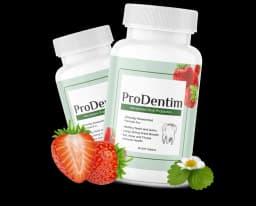
ProDentim
Oral Probiotic for Gum & Teeth Health
For former smokers looking to support oral microbiome recovery, ProDentim delivers beneficial strains including L. reuteri and L. paracasei directly to the oral cavity via a dissolving tablet. These strains may help re-establish the health-associated bacterial populations that smoking depleted. Consult your dentist about incorporating oral probiotics into your post-smoking recovery plan.
We may earn a commission if you make a purchase through our links, at no extra cost to you.
5. Be Patient With the Process
Oral microbiome recovery is not instantaneous. The research indicates a gradual trajectory spanning months to years. Track your progress through regular dental checkups — improvements in gum pocket depth, reduced bleeding on probing, and better clinical attachment levels are measurable indicators of recovery. Celebrate the incremental improvements rather than expecting immediate perfection.
6. Do Not Substitute E-Cigarettes
As discussed, e-cigarettes appear to cause their own oral microbiome disruption. Switching from cigarettes to vaping is not an oral health solution — complete cessation of all nicotine-delivery devices provides the best outcomes for oral microbiome recovery.
The Bottom Line
Smoking is among the most destructive forces that can be inflicted on the oral microbiome. It depletes beneficial species, enriches pathogens, impairs immune defense, reduces blood flow, and masks the symptoms that would otherwise prompt early intervention. The result is dramatically elevated risk of periodontal disease, tooth loss, and impaired treatment outcomes.
But the damage is reversible. Quitting smoking initiates a recovery process that, over months and years, can restore the oral microbiome to a composition indistinguishable from that of a never-smoker. Combined with professional dental care, diligent home hygiene, and ecological support through diet and potentially oral probiotics, former smokers can reclaim oral health.
If you currently smoke and are concerned about your oral health, consult your dentist for a periodontal evaluation and your physician about smoking cessation resources. The best time to quit was years ago — the second-best time is today.
This article is for educational purposes only and does not constitute medical advice. Always consult your dentist or healthcare provider for personalized guidance on smoking cessation and oral health management.