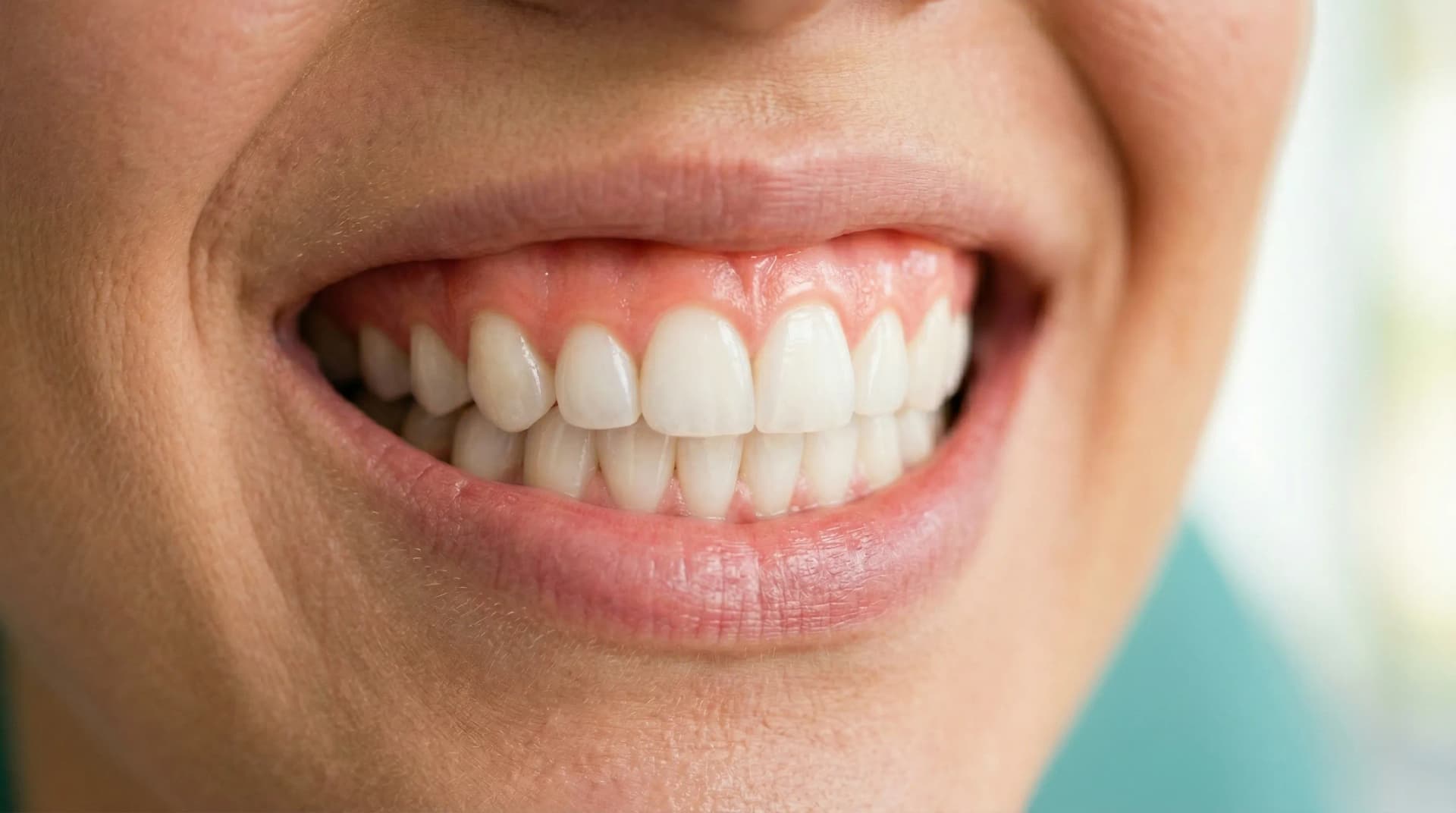
Malocclusion refers to the misalignment of teeth or an incorrect relationship between the upper and lower dental arches when the jaw is closed. It ranges from mild crowding to significant skeletal discrepancies. While mild malocclusion may not require treatment, moderate to severe cases can affect chewing, speech, oral hygiene, and jaw health, and typically benefit from orthodontic intervention.
What Is Malocclusion?
Malocclusion — literally "bad bite" — describes any deviation from the ideal alignment and occlusion (contact) between the upper and lower teeth. In a normal (Class I) occlusion, the upper teeth slightly overlap the lower teeth, and the molars mesh together in a specific pattern.
Malocclusion is classified into three primary types:
- Class I — The molar relationship is normal, but there is crowding, spacing, or individual tooth misalignment
- Class II (retrognathism) — The upper jaw and teeth significantly overlap the lower (overbite/overjet). Often described as "buck teeth."
- Class III (prognathism) — The lower jaw protrudes forward so that the lower teeth overlap the upper (underbite)
Specific malocclusion patterns include crowding, spacing, open bite (front teeth do not touch when back teeth are closed), crossbite (upper teeth sit inside lower teeth), and deep bite (excessive vertical overlap of front teeth).
Malocclusion is extremely common. The WHO has estimated that roughly 60-75% of the global population has some degree of malocclusion, though only a fraction requires or seeks treatment (American Journal of Orthodontics, 2019).
Causes and Risk Factors
Malocclusion has both genetic and environmental causes:
Genetic factors:
- Jaw size and shape — inherited discrepancies between jaw size and tooth size are the most common cause
- Tooth size and number — extra, missing, or abnormally sized teeth
- Familial patterns of crowding or spacing
Environmental and behavioral factors:
- Prolonged thumb-sucking or pacifier use beyond age 3 — can push front teeth forward
- Tongue thrusting — habitual pushing of the tongue against the front teeth during swallowing
- Early loss of baby teeth — allows adjacent teeth to drift into the space, blocking eruption of permanent teeth
- Mouth breathing — can alter jaw development during growth
- Trauma — Jaw fractures or injuries that affect alignment
- Poor dental care — Lost permanent teeth without replacement can cause remaining teeth to shift
Symptoms
Malocclusion may cause a range of functional and aesthetic concerns:
- Visibly crooked, crowded, or protruding teeth
- Difficulty biting or chewing food properly
- Speech difficulties, particularly lisping
- Breathing through the mouth rather than the nose
- Jaw pain or clicking (which may overlap with temporomandibular disorders)
- Uneven tooth wear
- Difficulty maintaining oral hygiene due to crowded or overlapping teeth
- Self-consciousness about the appearance of teeth
Crowded teeth are harder to keep clean, which may increase the risk of dental caries and gingivitis in affected areas.
Treatment and Prevention
Treatment depends on the type and severity of malocclusion:
Orthodontic treatment:
- Traditional metal braces — Brackets and wires that gradually move teeth into proper alignment. The most effective option for complex cases.
- Ceramic or clear braces — Similar to metal braces but less visible
- Clear aligners (e.g., Invisalign) — Removable, transparent trays that progressively shift teeth. Effective for mild to moderate malocclusion.
- Retainers — Used after active orthodontic treatment to maintain tooth position
Other interventions:
- Tooth extraction — Removing one or more teeth to relieve severe crowding
- Palatal expanders — Devices used in growing children to widen the upper jaw
- Orthognathic surgery — Jaw surgery for severe skeletal malocclusion that cannot be corrected by braces alone
In children, early intervention may include:
- Space maintainers when baby teeth are lost early
- Habit-breaking appliances for thumb-sucking or tongue thrusting
- Phase I orthodontics (early treatment during mixed dentition) to guide jaw growth
Prevention is limited because genetics play a significant role. However, addressing modifiable risk factors can help:
- Discourage prolonged thumb-sucking and pacifier use
- Replace missing teeth to prevent adjacent teeth from shifting
- Treat mouth breathing and tongue thrusting habits early
- Maintain regular dental visits so orthodontic issues can be identified during growth
A systematic review in European Journal of Orthodontics (2018) suggests that early orthodontic assessment (by age 7) allows timely intervention when jaw growth can still be influenced, potentially reducing the complexity of later treatment.
If you or your child has concerns about tooth alignment or bite, consult a dentist or orthodontist for a comprehensive evaluation.