Oil pulling — swishing oil in the mouth for 15-20 minutes — has legitimate scientific evidence supporting modest reductions in plaque, gingivitis, and harmful oral bacteria. Multiple peer-reviewed studies show it may perform comparably to chlorhexidine mouthwash for mild gum inflammation. However, it cannot replace brushing, flossing, or professional dental care, cannot reach below the gumline, and cannot remove tartar. Think of oil pulling as a potential complement to your oral care routine, not a substitute for it.
Oil pulling is one of the most polarizing topics in dental health. Proponents claim it whitens teeth, detoxifies the body, cures cavities, and treats everything from headaches to heart disease. Critics dismiss it entirely as pseudoscience.
The truth, as usual, lies somewhere in between. There is genuine clinical research on oil pulling — enough to draw some reasonable conclusions about what it can and cannot do.
What Is Oil Pulling?
Oil pulling (known as "Kavala Graha" or "Gandusha" in Sanskrit) is an ancient Ayurvedic practice dating back approximately 3,000 years, described in the Charaka Samhita, one of the foundational texts of Ayurvedic medicine. The practice involves swishing a tablespoon of edible oil in the mouth for 15-20 minutes, then spitting it out.
Traditionally, sesame oil was used. In modern practice, coconut oil has become the most popular choice due to its pleasant taste and the antimicrobial properties of its primary fatty acid, lauric acid.
How Does Oil Pulling Work?
The exact mechanisms are still being studied, but researchers have proposed several:

1. Mechanical action (saponification) The prolonged swishing creates an emulsion — the oil mixes with saliva and is "pulled" between teeth and across oral surfaces. This mechanical action physically dislodges loosely adhered bacteria and food debris. Some researchers have proposed that the oil undergoes partial saponification (a soap-like reaction) with salivary bicarbonate, creating a cleaning effect.
2. Bacterial adhesion to oil Bacterial cell membranes contain lipids. Oil may attract and bind bacteria through lipid-to-lipid interaction, effectively "pulling" bacteria off oral surfaces and suspending them in the oil. A study in the Nigerian Journal of Medicine (2015) found significant reductions in S. mutans counts after oil pulling.
3. Lauric acid's antimicrobial properties (coconut oil specifically) Lauric acid, which makes up approximately 50% of coconut oil's fatty acid content, has demonstrated antimicrobial activity against several oral pathogens. A study in the Journal of Medicinal Food (2013) found that enzyme-modified coconut oil strongly inhibited the growth of S. mutans in vitro. Monolaurin, a metabolite of lauric acid, disrupts bacterial cell membranes.
What the Research Actually Shows
Plaque Reduction
Multiple studies have evaluated oil pulling's effect on dental plaque:
- A randomized controlled trial in the Journal of Contemporary Dental Practice (2016) found that coconut oil pulling reduced plaque index scores by 50% after 30 days of daily practice — comparable to the chlorhexidine mouthwash control group.
- A study published in the Indian Journal of Dental Research (2009) found that oil pulling with sesame oil for 45 days resulted in statistically significant plaque reduction, comparable to chlorhexidine.
- A systematic review in the Journal of Traditional and Complementary Medicine (2020) analyzed 28 studies and concluded that oil pulling significantly reduced plaque scores compared to control groups.
Gingivitis Reduction
Gingivitis (gum inflammation) is closely related to plaque — reducing plaque generally reduces gingivitis:
- The same Journal of Traditional and Complementary Medicine (2020) systematic review found that oil pulling significantly reduced gingivitis scores across multiple studies.
- A clinical trial in the Journal of the Indian Society of Pedodontics and Preventive Dentistry (2016) found that oil pulling reduced both plaque and gingivitis indices in adolescents over a 30-day period.
- A study in the African Journal of Microbiology Research (2011) found significant reductions in plaque-induced gingivitis after 10 days of oil pulling.
Reduction of Harmful Bacteria
- A crossover study in Heliyon (2020) found that coconut oil pulling significantly reduced salivary S. mutans colony counts after just one week of daily practice.
- The Nigerian Journal of Medicine (2015) study found reduced total oral bacterial counts and specifically reduced S. mutans after oil pulling with coconut oil.
Bad Breath
- A pilot study in the Journal of Indian Society of Periodontology (2011) found that oil pulling with sesame oil was equally effective as chlorhexidine mouthwash in reducing halitosis-associated bacteria and organoleptic (smell) scores.
- The mechanism is likely direct: reducing VSC-producing bacteria reduces the compounds responsible for bad breath.
How to Do Oil Pulling Properly
If you want to try oil pulling, technique matters:
1. Choose your oil
- Coconut oil — Most popular, pleasant taste, additional antimicrobial properties from lauric acid. Extra virgin, cold-pressed is preferred.
- Sesame oil — The traditional Ayurvedic choice. More clinical studies have been conducted with sesame oil. Slightly nutty taste.
- Sunflower oil — Also traditional. Less studied but appears effective in available research.
Avoid essential oils marketed for "oil pulling blends" with added ingredients that may irritate oral tissues. Plain food-grade oil is all you need.
2. The technique
- Do it first thing in the morning, on an empty stomach, before brushing
- Take 1 tablespoon of oil (start with a teaspoon if 1 tablespoon feels like too much)
- Swish the oil gently around your mouth — push it between teeth, across gums, over and under the tongue
- Do NOT gargle (risk of aspiration) and do NOT swallow (the oil is now full of bacteria)
- Continue for 15-20 minutes. This is important — shorter durations may not allow adequate emulsification and bacterial adhesion. If your jaw fatigues, reduce the intensity of swishing.
- Spit the oil into a trash can (not the sink — coconut oil solidifies and can clog pipes)
- Rinse your mouth with warm water
- Brush and floss normally
3. Frequency Most studies showing benefits used daily practice for at least 2-4 weeks. Consistency matters more than occasional use. Many practitioners do it every morning as part of their routine.
Coconut Oil vs. Sesame Oil: Which Is Better?
Both have clinical evidence supporting their use. The differences:
| Factor | Coconut Oil | Sesame Oil | |--------|------------|------------| | Taste | Mild, slightly sweet | Nutty, slightly bitter | | Research base | Growing, primarily recent | More extensive, older studies | | Antimicrobial | Lauric acid adds antibacterial properties | Sesamin and sesamol have antioxidant properties | | Texture | Solid below 76°F (may need warming) | Liquid at room temperature | | Availability | Widely available | Widely available |
A direct comparison study in the Journal of Contemporary Dental Practice (2016) found no statistically significant difference between coconut oil and sesame oil for plaque and gingivitis reduction — both were effective.
If taste is a factor, most people prefer coconut oil. If you want the most traditionally studied option, sesame oil has a longer research history.
What Oil Pulling Cannot Do
Being honest about limitations is essential. Oil pulling cannot:
- Replace brushing and flossing — Oil pulling cannot mechanically disrupt mature plaque (biofilm) the way a toothbrush bristle can. It's a rinse-like activity, not a scrubbing activity.
- Reach below the gumline — In periodontal disease, pathogenic bacteria reside in subgingival pockets (below the gumline). Oil swishing in the mouth cannot reach these areas.
- Remove tartar (calculus) — Once plaque mineralizes into tartar, no amount of oil pulling can remove it. Only professional scaling can.
- Heal cavities — No evidence supports the claim that oil pulling reverses tooth decay or remineralizes enamel.
- Whiten teeth — Despite widespread claims, no clinical evidence supports oil pulling as a teeth-whitening method. Any perceived whitening is likely from plaque removal (revealing the natural tooth color underneath).
- Detoxify the body — Claims that oil pulling removes toxins from the bloodstream through the oral mucosa have no scientific basis. The oral mucosa does not function as a filtration organ.
- Cure systemic diseases — Claims about oil pulling treating diabetes, asthma, headaches, or heart disease are not supported by any clinical evidence.
Oil Pulling vs. Mouthwash: A Comparison
| Factor | Oil Pulling | Chlorhexidine Mouthwash | CPC/Essential Oil Mouthwash | |--------|------------|------------------------|---------------------------| | Plaque reduction | Moderate | Strong | Moderate | | Gingivitis reduction | Moderate | Strong | Moderate | | Bacterial reduction | Moderate | Strong | Moderate | | Side effects | Minimal (jaw fatigue, rare lipoid pneumonia if aspirated) | Tooth staining, taste alteration, microbiome disruption | Possible dry mouth (if alcohol-based) | | Time required | 15-20 minutes | 30-60 seconds | 30-60 seconds | | Long-term safety | No known concerns | Not recommended long-term | Generally safe long-term | | Cost | Very low | Low-moderate | Low-moderate |
The honest comparison: chlorhexidine is more potent for reducing bacteria and inflammation, but it comes with significant side effects that limit long-term use. Oil pulling is gentler, safer for daily long-term use, but requires much more time and may be less effective for moderate-to-severe gum disease.
For mild gingivitis maintenance and general oral hygiene support, oil pulling is a reasonable option. For active periodontal disease, professional treatment and prescription-grade products are more appropriate.
Combining Oil Pulling with Modern Oral Care
The most sensible approach is using oil pulling as one component of a comprehensive routine:
Morning routine with oil pulling:
- Oil pull for 15-20 minutes (while showering, preparing breakfast, etc.)
- Spit, rinse with warm water
- Brush with fluoride or nHA toothpaste
- Floss or use an interdental brush
Why this order matters: Oil pulling first loosens bacteria and debris, then brushing removes it along with any plaque that oil pulling alone didn't address. Brushing after oil pulling ensures you get the remineralizing benefits of toothpaste.
For those interested in supporting their oral microbiome beyond mechanical cleaning, oral probiotics may complement the approach by actively colonizing beneficial bacteria. Understanding the connection between your gut and mouth can help you take a more holistic approach to oral health.
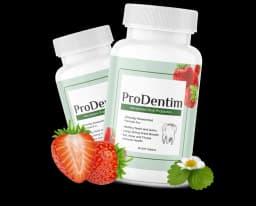
ProDentim
Oral Probiotic for Gum & Teeth Health
While oil pulling may reduce harmful bacteria, oral probiotics like ProDentim take a different approach — introducing beneficial strains (L. reuteri, B. lactis) to actively compete with pathogenic bacteria. The two approaches may complement each other: oil pulling reduces the bad, probiotics introduce the good.
We may earn a commission if you make a purchase through our links, at no extra cost to you.
Who Should (and Shouldn't) Try Oil Pulling
Good candidates:
- People looking for a natural addition to their oral care routine
- Those with mild gingivitis seeking a gentle, long-term approach
- Anyone who wants to reduce mouthwash use (especially alcohol-based products)
- People who enjoy morning routines and don't mind the 15-20 minute commitment
Use caution or avoid if:
- You have severe periodontal disease — learn about the key differences between gingivitis and periodontitis (oil pulling cannot treat it — you need professional care)
- You have difficulty swishing without swallowing (children under 5 should not oil pull)
- You have a history of aspiration pneumonia or swallowing difficulties (risk of lipoid pneumonia if oil enters the lungs)
- You're using it as a replacement for brushing, flossing, or dental visits
If you have questions about whether oil pulling is appropriate for your specific dental situation, consult your dentist. They can evaluate your oral health and recommend whether oil pulling makes sense as part of your routine.
The Bottom Line
Oil pulling is neither the miracle cure its most enthusiastic proponents claim nor the worthless pseudoscience its harshest critics suggest. The clinical evidence supports modest, real benefits for plaque reduction, gingivitis, and bacterial control — roughly comparable to standard mouthwash, with fewer side effects but a significantly larger time commitment.
If you enjoy the practice and use it alongside (not instead of) brushing, flossing, and regular dental care, there is no harm in it and there may be modest benefit. If the 15-20 minute time investment doesn't appeal to you, you're not missing out on anything that good brushing, flossing, and a quality mouthwash can't provide.
Related reading: