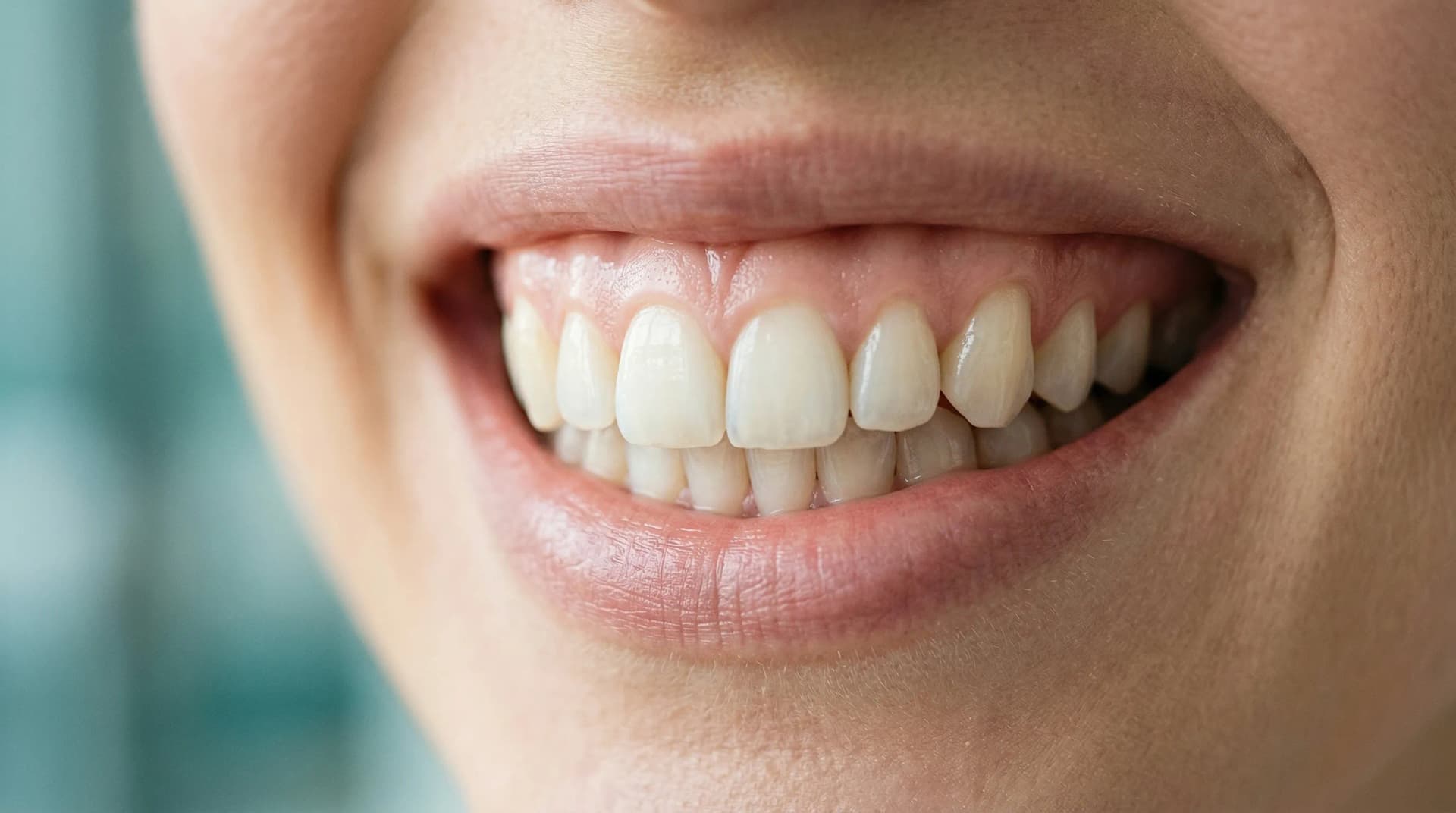
Bad breath (halitosis) is not primarily a hygiene failure — it is a microbial one. Specific anaerobic bacteria, including Porphyromonas gingivalis, Fusobacterium nucleatum, and Solobacterium moorei, produce volatile sulfur compounds (VSCs) as metabolic byproducts, and these compounds are what you actually smell. Research suggests that restoring microbial balance in the mouth — rather than simply masking odor — may be the most effective long-term approach to persistent bad breath.
Bad breath isn't just about what you ate — it is about which bacteria are thriving in your mouth. If you have ever brushed, flossed, and used mouthwash only to still notice an unpleasant odor an hour later, the problem is almost certainly microbial. Understanding which bacteria cause halitosis, where they hide, and how they produce odor is the first step toward actually solving it.
The Bacteria Behind Bad Breath
Not all oral bacteria produce odor. Out of the approximately 700 bacterial species identified in the human mouth, a relatively small group of anaerobic (oxygen-hating) species are responsible for the overwhelming majority of halitosis cases. These are the key offenders, supported by decades of microbiological research:
Porphyromonas gingivalis — A gram-negative anaerobe strongly associated with both periodontal disease and halitosis. P. gingivalis produces hydrogen sulfide and methyl mercaptan through the breakdown of sulfur-containing amino acids (cysteine and methionine) in saliva and gingival crevicular fluid. A study published in the Journal of Clinical Microbiology, 2003 identified P. gingivalis as one of the species most consistently elevated in patients with halitosis.
Fusobacterium nucleatum — Often called the "bridge organism" of oral biofilms, F. nucleatum facilitates the attachment of other pathogenic species to dental surfaces. It is a prolific producer of hydrogen sulfide and butyric acid, contributing to both malodor and tissue inflammation. Research in Anaerobe, 2009 demonstrated that F. nucleatum was among the strongest producers of VSCs in laboratory culture.
Solobacterium moorei — This species was relatively obscure until a landmark study in the Journal of Medical Microbiology, 2006 found it to be present in significantly higher numbers on the tongue dorsum of halitosis patients compared to controls. S. moorei is now considered one of the most specific bacterial markers for oral malodor.
Prevotella intermedia — A pigmented anaerobe found in periodontal pockets, P. intermedia produces hydrogen sulfide and contributes to the sulfurous odor associated with gum disease. Its presence increases substantially in diseased periodontal sites, linking halitosis directly to gum pocket depth and periodontal health.
Treponema denticola — A spirochete bacterium commonly found alongside P. gingivalis in deep periodontal pockets. T. denticola produces hydrogen sulfide through its cysteine desulfhydrase enzyme. A study in the Journal of Periodontology, 2001 found elevated levels of T. denticola in patients with both periodontitis and halitosis.
What these species share in common is that they are anaerobic proteolytic bacteria — they thrive in low-oxygen environments and break down proteins into foul-smelling byproducts.
How Volatile Sulfur Compounds Create Odor
The actual smell of bad breath comes from volatile sulfur compounds — small gaseous molecules produced when anaerobic bacteria metabolize sulfur-containing amino acids. Three VSCs account for the vast majority of halitosis odor:

- Hydrogen sulfide (H2S) — The "rotten egg" smell. Produced primarily on the tongue dorsum by bacteria degrading cysteine. This is the most abundant VSC in oral air and is detectable by the human nose at concentrations as low as 0.5 parts per billion.
- Methyl mercaptan (CH3SH) — The "rotting cabbage" smell. Produced from methionine degradation, particularly by P. gingivalis and T. denticola in periodontal pockets. Research in the Journal of Dental Research, 2002 found that methyl mercaptan levels were more closely correlated with periodontitis severity than hydrogen sulfide levels.
- Dimethyl sulfide ((CH3)2S) — Often described as a "decayed vegetable" or "gasoline-like" odor. Unlike the other two VSCs, dimethyl sulfide can originate from extra-oral sources (bloodborne metabolism), making it the primary VSC in cases of non-oral halitosis.
The production process is straightforward: bacteria in the mouth encounter proteins — from food debris, dead epithelial cells, blood from inflamed gums, or postnasal drip — and break them down. When those proteins contain the amino acids cysteine or methionine, the metabolic byproducts include sulfur gases. The more anaerobic bacteria present, and the more protein substrate available, the more VSCs are produced.
A 2013 study in the Journal of Breath Research, 2013 used gas chromatography to measure VSC concentrations and confirmed that tongue coating thickness and the presence of specific bacterial species were the two strongest predictors of oral malodor severity.
Where Odor-Causing Bacteria Hide
Understanding bacterial location explains why bad breath often persists despite brushing:
The Tongue Dorsum
The posterior (back) portion of the tongue is the single largest reservoir of odor-causing bacteria in the mouth. The tongue's surface is covered in papillae — tiny finger-like projections that create a vast, textured landscape with deep crevices. Anaerobic bacteria colonize the spaces between papillae, protected from oxygen exposure and shielded from saliva flow.
A study in Oral Diseases, 2003 found that tongue coating was present in over 85% of halitosis patients and that tongue cleaning alone reduced VSC levels by 30-75% depending on the study. The tongue is essentially a bacterial biofilm carpet that toothbrushing completely misses.
Periodontal Pockets
When gum disease creates pockets between the teeth and gums (4mm or deeper), these pockets become anaerobic environments where P. gingivalis, T. denticola, and P. intermedia flourish. The deeper the pocket, the less oxygen penetrates, and the more VSC-producing bacteria dominate.
This is why halitosis is strongly associated with periodontitis. A meta-analysis published in the Journal of Clinical Periodontology, 2014 confirmed a significant positive association between periodontal disease severity and oral malodor.
Tonsils and Tonsillar Crypts
The palatine tonsils contain deep pits called crypts that can accumulate bacteria, dead cells, and food debris — forming tonsil stones (tonsilloliths). These calcified deposits are concentrated sources of VSCs and anaerobic bacteria. Research in the British Dental Journal, 2008 found that patients with tonsilloliths had significantly higher levels of VSCs than those without, even when oral hygiene was comparable.
Interdental Spaces
The areas between teeth are difficult to reach with a toothbrush and accumulate food debris and plaque. Flossing these spaces removes the protein substrate that bacteria need to produce VSCs. Studies consistently show that flossing reduces interdental plaque bacterial counts and associated malodor.
Dysbiosis: When the Oral Ecosystem Tips
Bad breath is not simply about having "too many bacteria" — it is about having the wrong balance. A healthy oral microbiome is a diverse community where beneficial and commensal species compete with pathogens for space and resources. When this balance tips — a state called dysbiosis — pathogenic and VSC-producing species gain a disproportionate foothold.
Several factors drive oral dysbiosis toward a halitosis-promoting state:
- Dry mouth (xerostomia) — Saliva contains oxygen, antimicrobial peptides, and buffering compounds that suppress anaerobic growth. When saliva flow decreases (due to mouth breathing, medications, dehydration, or aging), anaerobic bacteria proliferate. A study in Oral Surgery, Oral Medicine, Oral Pathology, 2007 found that patients with xerostomia had significantly higher VSC levels.
- High-protein diet — More protein in the mouth means more substrate for bacterial VSC production. Dairy, meat, and fish residues are particularly rich in cysteine and methionine.
- Sugar and refined carbohydrates — While these primarily feed cavity-causing bacteria, the resulting acid production and biofilm buildup create conditions that indirectly favor anaerobic niches.
- Smoking — Alters the oral microbiome, reduces saliva, and promotes periodontal disease — a triple driver of halitosis.
- Alcohol-based mouthwash — Paradoxically, aggressive antiseptic mouthwash can worsen chronic bad breath by drying the oral mucosa and disrupting beneficial bacteria that compete with VSC producers. Research published in the Journal of Oral Microbiology, 2020 found that regular antiseptic mouthwash users had lower microbial diversity — a risk factor for dysbiosis.
The oral microbiome perspective reframes halitosis from a "cleanliness problem" to an "ecology problem." The goal is not to sterilize the mouth but to create conditions where balanced microbial communities keep VSC production in check.
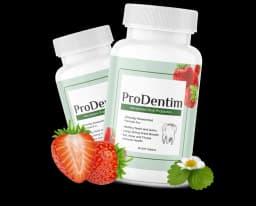
ProDentim
Oral Probiotic for Gum & Teeth Health
ProDentim delivers beneficial strains like L. reuteri and L. paracasei directly to the oral cavity, aiming to support microbial balance and compete with VSC-producing anaerobes — addressing halitosis at the ecological level rather than simply masking odor.
We may earn a commission if you make a purchase through our links, at no extra cost to you.
Evidence-Based Approaches to Treating Bad Breath
Tongue Cleaning
The single most impactful intervention for halitosis is cleaning the tongue — particularly the posterior third. A Cochrane-style systematic review in the Journal of Clinical Periodontology, 2004 found that tongue scrapers and tongue brushes significantly reduced VSC levels and tongue coating scores. Dedicated tongue scrapers were slightly more effective than using a toothbrush on the tongue.
How to do it: Use a stainless steel or copper tongue scraper. Extend the tongue and gently scrape from back to front in 3-5 strokes. Rinse the scraper between strokes. Do this once daily, ideally in the morning.
Oral Probiotics
An emerging body of evidence supports the use of oral probiotics — particularly strains of Streptococcus salivarius (K12 and M18) and Lactobacillus reuteri — for reducing halitosis. These beneficial bacteria compete with VSC-producing species for colonization sites on the tongue and oral mucosa.
A randomized controlled trial published in the Journal of Applied Microbiology, 2006 found that S. salivarius K12 colonization of the tongue significantly reduced VSC levels over a 2-week period. A systematic review in Nutrients, 2021 concluded that probiotic interventions showed promising results for halitosis reduction, though the authors noted that more large-scale trials were needed.
The probiotic approach is fundamentally different from antiseptic approaches — rather than killing all bacteria and hoping the good ones come back first, probiotics introduce reinforcements for the beneficial side.
ProDentim
Oral Probiotic for Gum & Teeth Health
For those interested in the probiotic approach to halitosis management, ProDentim combines multiple oral probiotic strains in a dissolving tablet designed to deliver beneficial bacteria directly to the tongue and oral surfaces where VSC-producing species reside.
We may earn a commission if you make a purchase through our links, at no extra cost to you.
Proper Oral Hygiene
This sounds obvious, but the specifics matter:
- Brushing twice daily removes plaque biofilm from tooth surfaces but does NOT address the tongue or interdental spaces where most VSC-producing bacteria reside.
- Daily flossing removes interdental debris and plaque that feed anaerobic bacteria.
- Staying hydrated supports saliva production, the mouth's natural antimicrobial system.
Mouthwash Considerations
Not all mouthwashes are equal for halitosis:
- Zinc-containing rinses — Zinc ions bind to sulfur compounds and reduce VSC volatility. A study in the Journal of Clinical Dentistry, 2010 found that zinc-containing mouthwashes reduced oral malodor for up to 3 hours. Zinc targets the chemistry of odor without broad-spectrum antibiotic effects.
- Chlorine dioxide rinses — Oxidize VSCs directly. Research in Oral Diseases, 2010 found chlorine dioxide rinses effective for short-term halitosis reduction.
- Chlorhexidine — Effective but best reserved for short-term use due to side effects (staining, taste alteration) and concerns about microbiome disruption.
- Alcohol-based mouthwash — May worsen chronic halitosis by drying the mouth. Consider alcohol-free alternatives.
When to See a Dentist
If bad breath persists despite consistent tongue cleaning, proper brushing and flossing, adequate hydration, and 2-4 weeks of diligent home care, it is time to see a dental professional. Persistent halitosis may indicate:
- Undiagnosed periodontal disease — Deep pockets harbor bacteria unreachable by home care
- Untreated dental decay — Cavities trap food and bacteria
- Tonsil stones — May require ENT evaluation if chronic
- Systemic conditions — In approximately 10-15% of halitosis cases, the cause is extra-oral: gastroesophageal reflux, liver disease, kidney disease, or diabetes can all produce distinctive breath odors (Quintessence International, 2010)
- Medication side effects — Hundreds of medications cause dry mouth as a side effect, indirectly promoting halitosis
Your dentist can measure VSC levels with a chairside instrument (such as a Halimeter or OralChroma device), perform a periodontal assessment, and determine whether the cause is oral or warrants referral to a physician.
Do not ignore persistent bad breath — it is often the first noticeable symptom of gum disease, and early intervention can prevent irreversible bone loss.
This article is for educational purposes only and does not constitute medical advice. Always consult your dentist or healthcare provider for personalized diagnosis and treatment of halitosis or any oral health condition.
Related reading: