Only the very earliest stage of a cavity — demineralization (white spot lesion) — has any potential to be reversed through remineralization. Once a cavity has broken through the enamel surface and created an actual hole, it cannot heal on its own and requires professional dental treatment. Claims that diet, supplements, or oil pulling can heal cavitated lesions are not supported by evidence. The honest answer: you may be able to reverse a pre-cavity, but you cannot heal an actual cavity naturally.
"How to heal a cavity naturally" is one of the most searched dental health topics online. And the internet is full of bold claims — that the right diet, specific supplements, or oil pulling can reverse tooth decay and eliminate the need for fillings.
The reality is more nuanced. There is a kernel of truth here, but it's been stretched far beyond what the science actually supports. Let's separate fact from fiction.
Understanding How Cavities Form: The 4 Stages
Tooth decay doesn't happen overnight. It progresses through distinct stages, and understanding these stages is essential to understanding what can — and cannot — be reversed.
Stage 1: Demineralization (White Spot Lesion)
This is the pre-cavity stage. Acid-producing bacteria (primarily Streptococcus mutans) feed on sugars and produce acids that dissolve minerals from the enamel surface. The affected area appears as a chalky white spot — visibly different from surrounding healthy enamel but still smooth to the touch.
At this stage, the enamel surface is intact. Minerals have been lost from beneath the surface, but there is no physical hole or break in the enamel. This is the only stage where natural reversal is possible.
Stage 2: Enamel Decay
Continued acid attack breaks through the enamel surface, creating a physical cavity — an actual hole in the tooth. The enamel is breached, and bacteria now have access to the softer dentin layer beneath.
This stage cannot be reversed naturally. Once the enamel surface has collapsed, no amount of remineralization can rebuild the lost tooth structure. A dental filling is needed.
Stage 3: Dentin Decay
Decay spreads rapidly through dentin because it's softer and less mineralized than enamel. The cavity expands, often becoming larger beneath the surface than the visible hole in the enamel suggests. Sensitivity to hot, cold, and sweet foods typically begins at this stage.
A filling is required, and the longer treatment is delayed, the larger and more expensive the restoration will be.
Stage 4: Pulp Involvement
When decay reaches the innermost pulp chamber, bacteria infect the nerve and blood supply. This causes severe pain, potential abscess, and may require root canal treatment or extraction.
The message is clear: catching decay at Stage 1 is the only window for natural intervention. After that, dental treatment is not optional — it's necessary to stop the progression.
How Remineralization Actually Works
Remineralization is a real, well-documented biological process. It's happening in your mouth right now. Here's the science:

Your saliva is naturally supersaturated with calcium and phosphate — the same minerals that make up enamel (hydroxyapatite). When the oral environment is at a neutral or slightly alkaline pH (above 5.5), these minerals naturally deposit back onto enamel surfaces, repairing microscopic damage from daily acid exposure.
This is the normal cycle: acids from food and bacteria demineralize enamel slightly throughout the day, and saliva remineralizes it between meals. Problems arise when demineralization consistently outpaces remineralization — too much sugar, too little saliva, or too-frequent acid exposure.
A landmark study by Featherstone in the Journal of the American Dental Association (2000) described this "balance concept" of caries: cavities form when the balance tips toward demineralization and can be prevented (or early lesions reversed) by tipping it back toward remineralization. Your oral microbiome and diet play a central role in which direction this balance tilts.
Evidence-Based Strategies for Reversing White Spot Lesions
If you have a white spot lesion (confirmed by your dentist as Stage 1 demineralization, not fluorosis or hypoplasia), these strategies have scientific support:
1. Fluoride: The Gold Standard
Fluoride is the most extensively studied and most effective remineralization agent available. It works through multiple mechanisms:
- Enhances remineralization — Fluoride incorporates into the enamel crystal structure, forming fluorapatite, which is more resistant to acid dissolution than pure hydroxyapatite
- Inhibits demineralization — Fluorapatite dissolves at a lower pH (4.5) than hydroxyapatite (5.5), providing a wider buffer
- Disrupts bacterial metabolism — Fluoride inhibits enolase and other enzymes in S. mutans, reducing acid production
The evidence is overwhelming. A Cochrane systematic review (2015) of fluoride toothpaste including 71 trials and over 70,000 participants confirmed that fluoride toothpaste reduces cavity incidence by 24%. For active white spot lesions, your dentist may recommend professional fluoride varnish (22,600 ppm) or prescription-strength fluoride toothpaste (5,000 ppm).
Practical application: Brush twice daily with fluoride toothpaste (1,350+ ppm for adults). Spit but don't rinse after brushing — this leaves a residual fluoride film on your teeth. Use fluoride mouthwash at a separate time from brushing.
2. Hydroxyapatite (HAp)
Nano-hydroxyapatite toothpaste is gaining attention as a fluoride alternative or complement for remineralization. Since hydroxyapatite is the primary mineral in enamel, the concept is intuitive — supply the exact building block your teeth need.
Research supports it. A randomized controlled trial published in BMC Oral Health (2019) found that 10% hydroxyapatite toothpaste was non-inferior to fluoride toothpaste at remineralizing early enamel lesions. It's been widely used in Japan since the 1980s, where it's approved as an anti-cavity agent.
Hydroxyapatite toothpaste may be particularly useful for people who prefer or need a fluoride-free option (young children who swallow toothpaste, for example).
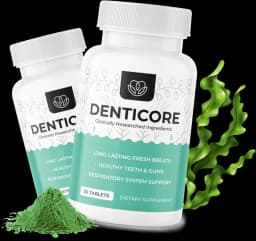
Denticore
Gum & Tooth Support Supplement
DentiCore's mineral-support formula is designed to complement daily enamel care. Supporting your body's access to tooth-building minerals may enhance the natural remineralization process.
We may earn a commission if you make a purchase through our links, at no extra cost to you.
3. Dietary Changes: Reducing the Acid Attack
What you eat — and especially when you eat — directly affects the demineralization-remineralization balance.
Reduce sugar frequency, not just quantity. Each sugar exposure triggers a 20-30 minute acid attack. Five candies eaten one at a time throughout the day cause more damage than five candies eaten at once, because each exposure restarts the acid clock. A study in Caries Research (2004) confirmed that sugar frequency was a stronger predictor of cavity risk than total sugar consumption.
Specific dietary strategies:
- Limit between-meal snacking, especially sugary or starchy foods
- Drink water instead of soda, juice, or sports drinks
- Eat cheese after meals — cheese raises oral pH and delivers calcium. Research in General Dentistry (2013) found that cheese consumption significantly increased plaque pH, creating a more remineralization-friendly environment
- Avoid sipping acidic beverages over extended periods (nursing a soda for hours is worse than drinking it quickly)
- Finish meals with water to clear food debris
4. Xylitol
Xylitol, a sugar alcohol found in birch trees and some fruits, actively fights decay-causing bacteria. S. mutans absorbs xylitol but cannot metabolize it, wasting energy and eventually dying. Regular xylitol exposure reduces S. mutans populations in the mouth. Some researchers are also exploring whether oral probiotics can help prevent cavities by crowding out acid-producing species.
A systematic review in the Journal of Dental Research (2012) found consistent evidence that xylitol exposure of 6-10 grams per day reduces caries rates. Practical sources include xylitol gum (chew for 5 minutes after meals, 3-5 times daily) and xylitol mints.
5. Adequate Saliva
Saliva is your mouth's primary remineralization vehicle. Supporting saliva production is critical:
- Stay well hydrated
- Chew sugar-free gum to stimulate flow
- Address mouth breathing if present
- Discuss medication alternatives if drugs are causing dry mouth
- Talk to your doctor if you experience chronic dryness
What Does NOT Heal Cavities: Debunking Myths
Myth: Oil Pulling Heals Cavities
Oil pulling — swishing coconut, sesame, or sunflower oil for 10-20 minutes — is often promoted as a cavity cure. While a few small studies suggest oil pulling may reduce S. mutans counts (Journal of Ayurveda and Integrative Medicine, 2011), no study has ever demonstrated that oil pulling can reverse a cavity or remineralize enamel.
The American Dental Association states: "Scientific studies have not provided the necessary clinical evidence to demonstrate that oil pulling reduces the incidence of dental caries."
Oil pulling may be a harmless supplementary practice, but it is not a substitute for brushing, flossing, or professional dental care.
Myth: A "Cavity-Healing Diet" Can Fix Holes in Teeth
Some popular books and websites promote high-fat, nutrient-dense diets (inspired by Weston A. Price's work) as capable of healing existing cavities. While eating a nutrient-rich diet certainly supports overall dental health and may help with remineralization of early lesions, no diet can regenerate enamel that has already been lost. Enamel is not living tissue — it cannot grow back.
Weston Price's observations about the role of nutrition in dental health have some validity (nutrient-poor diets do contribute to decay), but his conclusions have been extrapolated far beyond the evidence.
Myth: Supplements Alone Can Heal Cavities
Vitamins D and K2, calcium, magnesium, and phosphorus all play roles in tooth development and may support mineral balance. Nutrient deficiencies can also contribute to bleeding gums and weakened gum tissue. However, no supplement has been clinically proven to reverse an established cavity. A study in the American Journal of Clinical Nutrition (2013) found that vitamin D supplementation was associated with reduced caries risk, but this reflects prevention, not reversal of existing decay.
Supplements may support the conditions for remineralization of Stage 1 lesions, but they are not a treatment for cavities.
Myth: Cavities Can "Heal Themselves" If You Wait
This is perhaps the most dangerous myth. Cavities are progressive — left untreated, they always get worse, never better. The bacteria inside a cavitated lesion are protected from saliva, fluoride, and brushing. The decay continues inward toward the pulp, eventually causing infection, abscess, and possible tooth loss.
Delaying treatment turns a simple filling into a crown, a root canal, or an extraction. Consult your dentist at the first sign of a cavity — early intervention is always less invasive and less expensive.
Denticore
Gum & Tooth Support Supplement
While no supplement can heal an existing cavity, supporting your body's mineral balance may help with the ongoing remineralization that protects enamel from future damage. DentiCore is formulated to support tooth mineral health as part of a comprehensive oral care routine.
We may earn a commission if you make a purchase through our links, at no extra cost to you.
How to Know Which Stage You're At
This is the critical question, and it requires professional evaluation. You generally cannot determine whether you have a white spot lesion (Stage 1, potentially reversible) or an early cavity (Stage 2, requiring a filling) without a dental examination.
Signs that suggest Stage 1 (demineralization):
- Chalky white spot on a tooth surface
- No roughness or "catch" when you run your tongue over it
- No sensitivity
- Dentist confirms the surface is intact on examination
Signs that suggest Stage 2+ (cavitation):
- Visible hole or pit in the tooth
- Rough area that catches dental floss or a dental explorer
- Brown or dark discoloration
- Sensitivity to sweet, cold, or hot
- Spontaneous pain
If you're unsure, see your dentist. They can use visual examination, explorer instruments, X-rays, and technologies like DIAGNOdent (laser fluorescence) to determine the stage of decay and whether professional treatment is needed.
A Realistic Approach to Natural Cavity Prevention
The honest truth: prevention is where natural approaches truly shine. You may not be able to heal a cavity that's already formed, but you absolutely can prevent new ones — and reverse early demineralization before it becomes a cavity.
A practical daily protocol:
- Brush twice daily with fluoride or hydroxyapatite toothpaste — spit, don't rinse
- Floss daily
- Chew xylitol gum after meals (6g+ xylitol per day)
- Limit sugar frequency — keep snacking to defined times rather than grazing
- Drink water throughout the day
- See your dentist for regular checkups (every 6 months, or more frequently if you're cavity-prone)
This combination maximizes remineralization, minimizes acid attacks, and ensures that any early lesions are caught before they become irreversible.
Related reading: