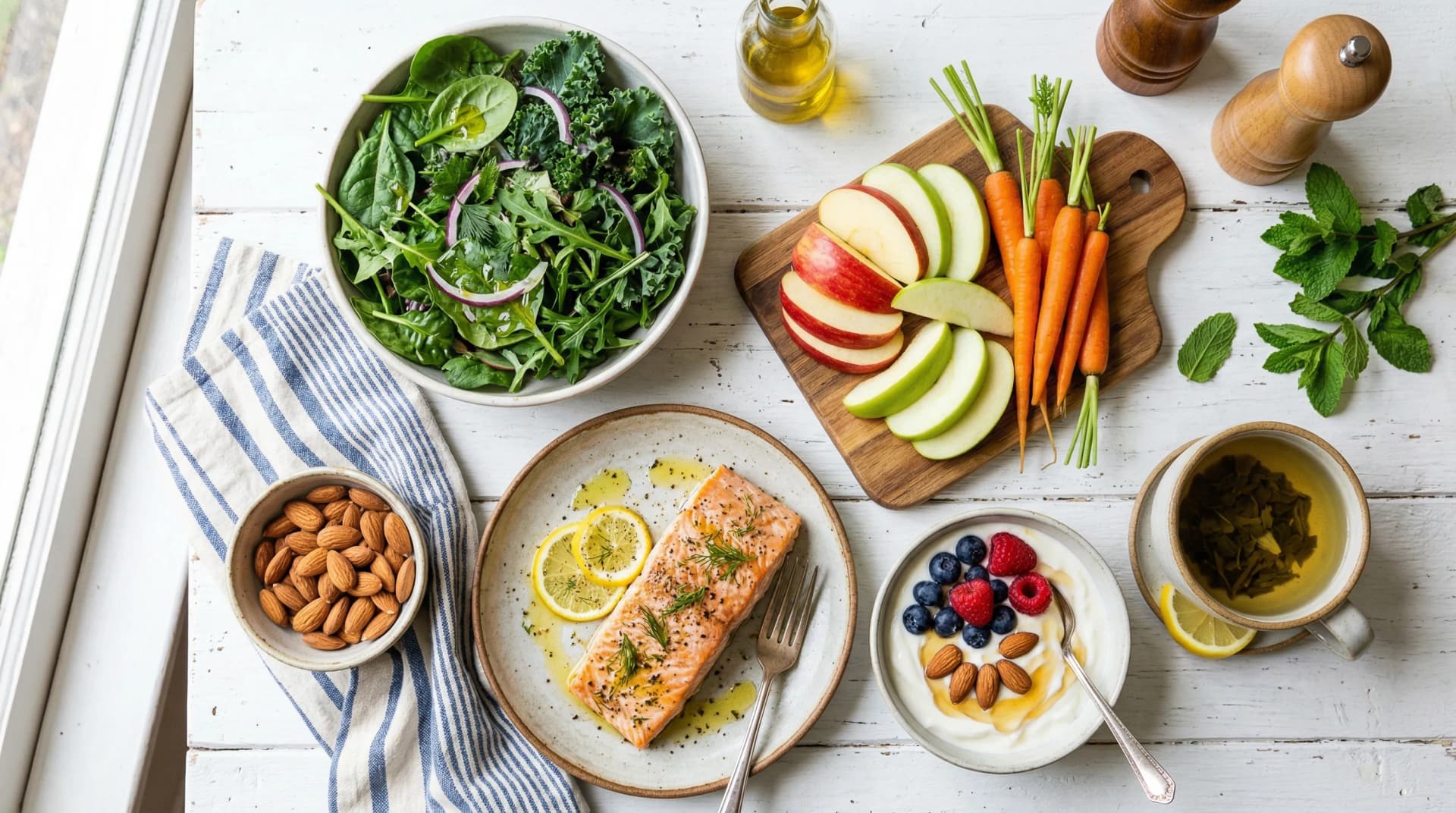
What you eat directly determines which bacteria dominate your mouth. Sugar fuels acid-producing pathogens like Streptococcus mutans, while fiber-rich foods, polyphenol-containing beverages like green tea, and fermented foods may support a more diverse and balanced oral microbiome. Small, consistent dietary shifts can meaningfully influence your oral health over time.
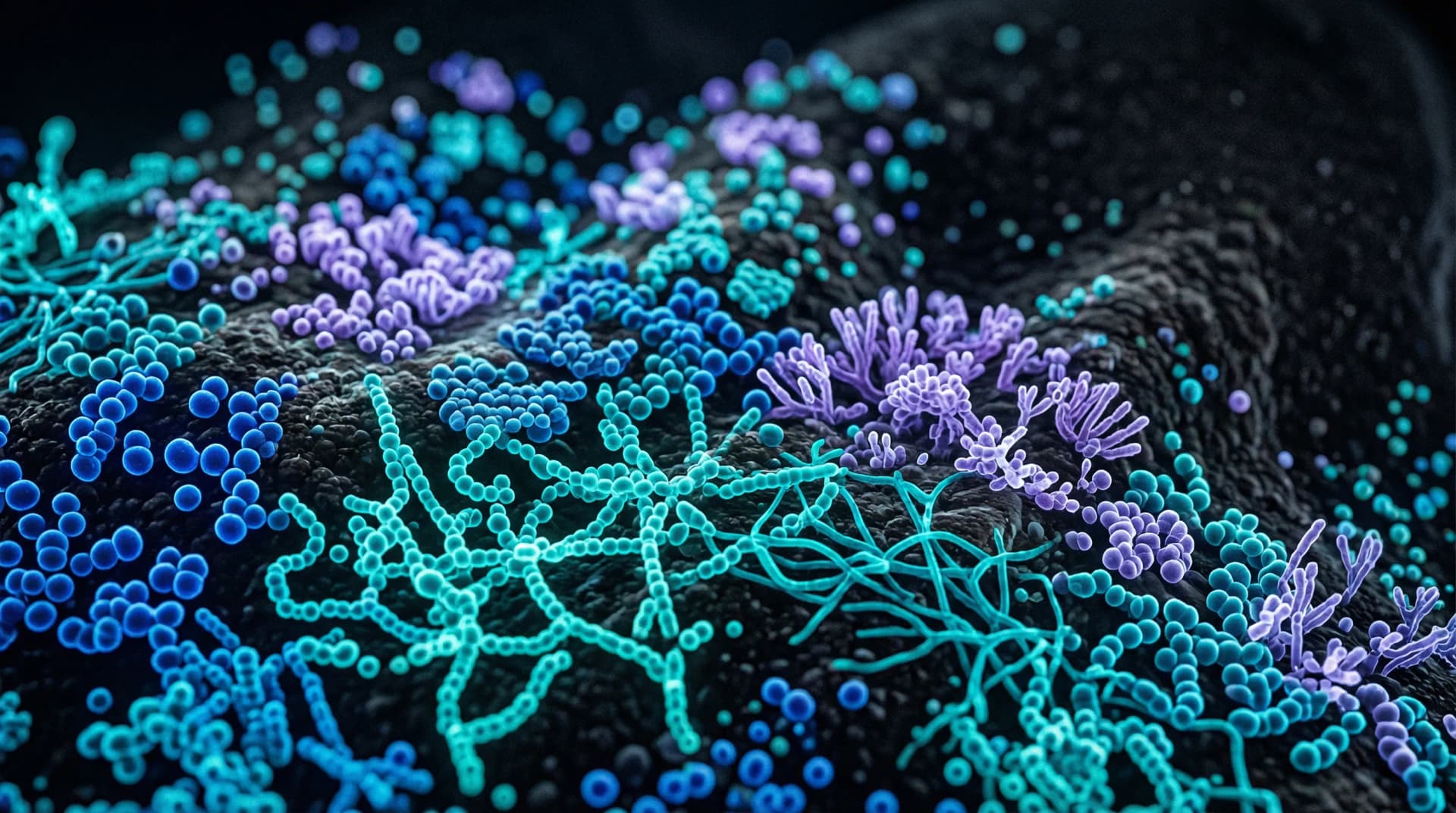
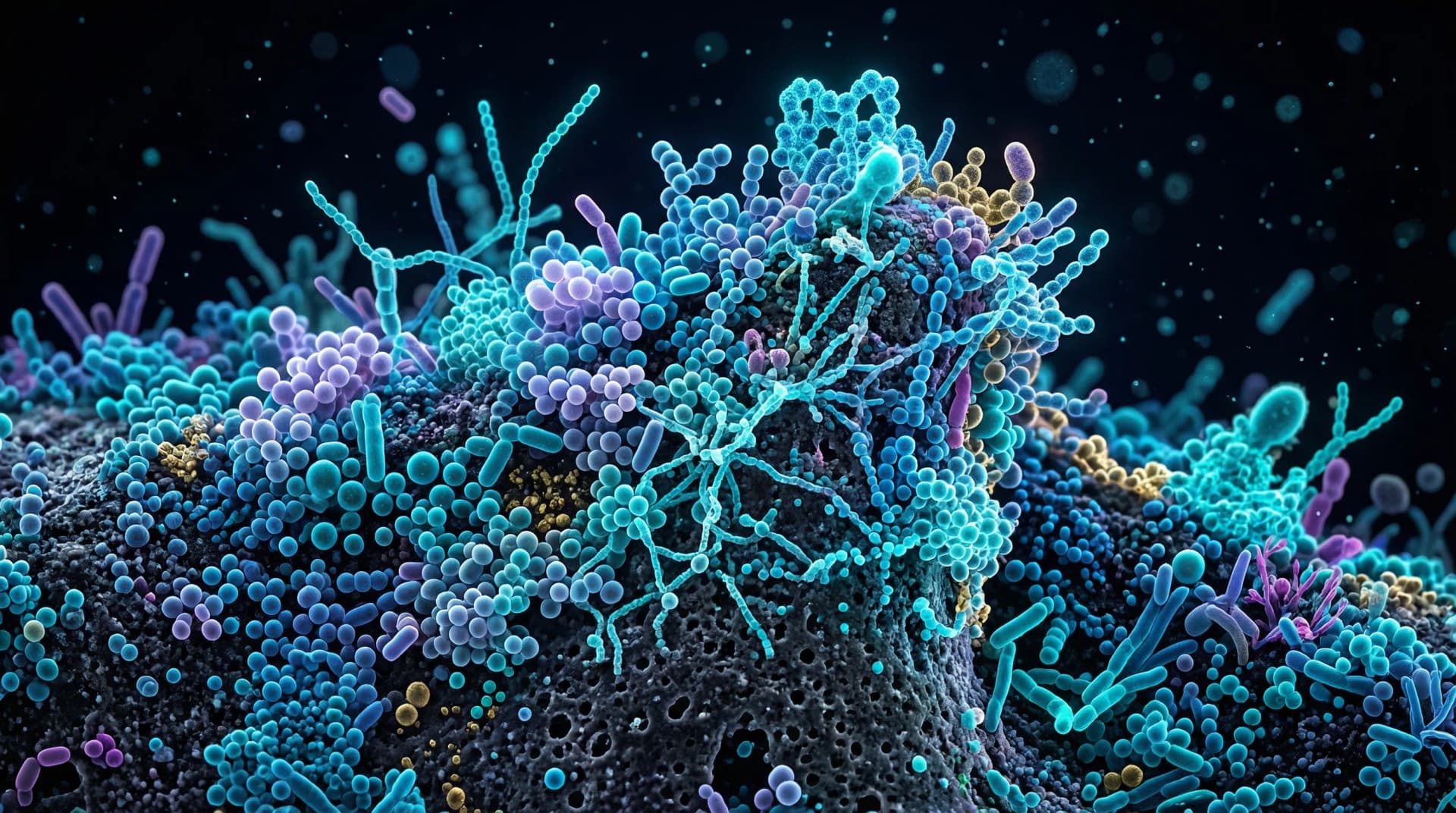
Your mouth is home to over 700 species of bacteria — a bustling ecosystem collectively known as the oral microbiome. Every time you eat, you're not just feeding yourself. You're feeding those bacteria, too.
The foods you choose act like a selective pressure, favoring certain bacterial species over others. A diet heavy in refined sugars creates an environment where cavity-causing bacteria thrive. A diet rich in fiber, polyphenols, and fermented foods may tip the balance toward species associated with healthy gums and fresh breath.
Understanding this relationship gives you a practical lever for improving oral health beyond brushing and flossing alone.
How Sugar Feeds Harmful Oral Bacteria
The link between sugar and cavities is one of the most thoroughly established relationships in dentistry. But the mechanism is worth understanding because it involves the microbiome directly.
When you consume sugars — particularly sucrose, glucose, and fructose — bacteria like Streptococcus mutans metabolize those sugars through a process called fermentation, producing lactic acid as a byproduct. That acid lowers the pH on tooth surfaces, dissolving the mineral matrix of enamel in a process called demineralization that drives tooth decay.
A landmark study published in Caries Research, 2016 demonstrated that frequent sugar exposure doesn't just cause acid attacks — it actively shifts the microbial community composition toward more acid-tolerant, pathogenic species. The researchers found that repeated sugar exposure increased the proportion of S. mutans and Lactobacillus species while reducing health-associated bacteria like Streptococcus sanguinis.
The frequency of sugar exposure matters as much as the amount. Research in the Journal of Dental Research, 2015 showed that sipping a sugary drink over two hours caused more sustained pH drops than consuming the same amount of sugar all at once. Each exposure triggers a new 20-30 minute acid attack on enamel.
The Sticky Factor
Not all sugars are equally problematic. Sticky, slow-dissolving sugars — think caramel, gummy candies, dried fruit — cling to tooth surfaces and extend the duration of acid exposure. A study in the European Journal of Oral Sciences, 2008 found that the retentiveness of carbohydrate-containing foods was a stronger predictor of caries risk than total sugar content alone.
Fiber: Diversity's Best Friend
If sugar narrows the oral microbiome, fiber broadens it. Fiber-rich foods — vegetables, whole grains, legumes, nuts — support oral microbial diversity through several mechanisms.

First, chewing fibrous foods stimulates saliva production. Saliva is the mouth's primary defense system: it buffers acid, delivers antimicrobial proteins like lysozyme and lactoferrin, and physically washes bacteria off tooth surfaces. A study in the Journal of Dental Research, 2008 found that stimulated saliva flow increased pH and promoted remineralization of enamel within minutes of eating.
Second, the physical texture of fibrous foods provides a gentle mechanical cleaning action. Crunchy vegetables like carrots, celery, and apples have historically been called "nature's toothbrush" — and while that overstates the case, they do help dislodge plaque from tooth surfaces.
Third, the prebiotic properties of dietary fiber may nourish beneficial bacteria. Research published in Nutrients, 2020 found that individuals with higher fiber intake had more diverse oral microbial communities, with greater abundance of health-associated species and lower abundance of periodontal pathogens.
Polyphenols: Plant Compounds That May Inhibit Pathogens
Polyphenols are bioactive compounds found in tea, berries, dark chocolate, red wine, and many fruits and vegetables. They've attracted significant attention for their potential to influence the oral microbiome.
Green Tea
Green tea is perhaps the most studied polyphenol source for oral health. Its catechins — particularly epigallocatechin gallate (EGCG) — have demonstrated antimicrobial activity against oral pathogens in laboratory and clinical settings.
A systematic review published in the Journal of Indian Society of Periodontology, 2012 found that green tea catechins inhibited the growth of S. mutans, Porphyromonas gingivalis (a key periodontal pathogen), and Prevotella intermedia. Importantly, the antimicrobial activity appeared somewhat selective — green tea was more effective against pathogenic species than against health-associated commensals.
A clinical trial published in Archives of Oral Biology, 2012 found that rinsing with green tea extract reduced salivary S. mutans counts and plaque scores compared to a placebo rinse.
Berries
Cranberries, blueberries, and other berry polyphenols may interfere with bacterial adhesion to oral surfaces. A study in Critical Reviews in Food Science and Nutrition, 2018 found that cranberry proanthocyanidins inhibited the ability of S. mutans to form biofilms — the structured bacterial communities that constitute dental plaque.
Blueberry polyphenols have shown anti-inflammatory properties that may be relevant to gum health and reducing inflammation. Research in the Journal of Agricultural and Food Chemistry, 2015 demonstrated that wild blueberry polyphenols inhibited inflammatory pathways activated by Fusobacterium nucleatum, a bacterium implicated in periodontal disease.
Cocoa
Dark chocolate (with high cocoa content) contains polyphenols that may offer oral health benefits. A study in BMC Complementary and Alternative Medicine, 2014 found that cocoa bean husk extract inhibited S. mutans biofilm formation and reduced acid production in vitro.
Fermented Foods: Introducing Beneficial Species
Fermented foods — yogurt, kefir, sauerkraut, kimchi, miso, kombucha — contain live microorganisms that may transiently colonize the oral cavity and influence the resident microbiome.

Yogurt consumption has been associated with reduced periodontal disease risk. A large epidemiological study published in the Journal of Periodontology, 2008 found that higher dairy intake, particularly yogurt, was associated with lower clinical attachment loss in a population of over 6,000 adults in Japan.
The Lactobacillus and Bifidobacterium species commonly found in fermented foods may compete with oral pathogens for adhesion sites and nutrients — a concept known as competitive exclusion. While these species don't permanently colonize the mouth in most cases, regular consumption may provide an ongoing protective presence.
Research published in Beneficial Microbes, 2017 found that consuming probiotic-containing fermented milk for two weeks reduced salivary counts of S. mutans in young adults. The effect diminished after cessation, suggesting that regular consumption is necessary for sustained benefit.
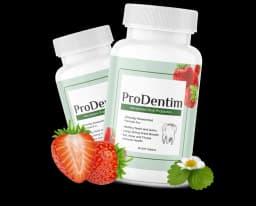
ProDentim
Oral Probiotic for Gum & Teeth Health
If your diet is a work in progress, an oral probiotic like ProDentim may help introduce beneficial bacterial strains — including Lactobacillus reuteri — directly to the oral cavity while you build better eating habits.
We may earn a commission if you make a purchase through our links, at no extra cost to you.
The pH Factor: Acidic Foods and Enamel Erosion
The pH of what you eat and drink directly affects your oral environment. While bacterial acid production from sugar causes caries, dietary acids cause a different problem: erosion.
Citrus fruits, vinegar-based dressings, carbonated beverages, sports drinks, and wine are all acidic enough to soften enamel temporarily. The critical pH for enamel dissolution is approximately 5.5 — and many common beverages fall well below that:
- Orange juice: pH 3.5-4.0
- Cola: pH 2.5-3.5
- Sparkling water (flavored): pH 3.0-4.0
- Black coffee: pH 4.5-5.0
- Red wine: pH 3.3-3.6
Research in the Journal of the American Dental Association, 2016 found that acidic beverages consumed between meals were significantly associated with increased tooth erosion. The study recommended consuming acidic foods and drinks during meals rather than between them, as mealtime saliva flow helps buffer the acid.
Practical tips for managing dietary acids:
- Drink acidic beverages through a straw to minimize tooth contact
- Rinse your mouth with plain water after consuming acidic foods
- Wait 30 minutes before brushing after acidic exposure (brushing softened enamel can accelerate erosion)
- Pair acidic foods with cheese or milk, which help neutralize acid
Practical Dietary Recommendations for a Healthier Oral Microbiome
Based on the current research, here are evidence-informed dietary strategies that may support a balanced oral microbiome:
Reduce Added Sugar Frequency
You don't need to eliminate sugar entirely — that's unrealistic for most people. Instead, focus on reducing how often you consume it. Consolidate sweet foods into mealtimes rather than snacking on sugar throughout the day. This limits the number of acid attacks your teeth experience.
Increase Fiber-Rich Whole Foods
Build meals around vegetables, whole grains, legumes, and nuts. These foods stimulate saliva, provide mechanical cleaning, and may support microbial diversity.
Drink Green Tea
Unsweetened green tea is one of the simplest evidence-backed additions you can make. Even one to two cups daily provides polyphenols that may help keep pathogenic oral bacteria in check.
Include Fermented Foods Regularly
Aim for a serving of yogurt, kefir, sauerkraut, or another fermented food daily. Look for products that contain live, active cultures.
Stay Hydrated with Water
Water — especially fluoridated tap water — supports saliva production, rinses food particles, and helps maintain a neutral oral pH. It's the best beverage choice for oral health.
Chew Sugar-Free Gum After Meals
When you can't brush, chewing xylitol-containing sugar-free gum for 20 minutes after eating stimulates saliva flow and may actually inhibit S. mutans growth. Research in the Cochrane Database of Systematic Reviews, 2015 found that xylitol-containing products reduced caries by 13% in permanent teeth.
Consult Your Dentist
If you have active dental issues — cavities, gum disease, or erosion — consult your dentist about dietary modifications specific to your situation. A dental professional can assess your individual risk factors and provide personalized guidance.
The Bigger Picture: Diet as Part of a Complete Oral Care Strategy
Diet alone won't overcome poor oral hygiene, and good hygiene alone may not fully compensate for a cavity-promoting diet. The two work together.
Think of it this way: brushing and flossing physically disrupt bacterial biofilms, while your dietary choices determine what regrows in their place. A mouth regularly bathed in sugar will quickly regrow acid-producing plaque. A mouth nourished with fiber, polyphenols, and fermented foods will tend to rebuild a more balanced microbial community.
Research is increasingly showing that the oral microbiome responds dynamically to dietary changes. A study in mBio, 2019 demonstrated measurable shifts in oral microbial composition within just 48 hours of dietary changes, suggesting that it's never too late to start eating for better oral health.
ProDentim
Oral Probiotic for Gum & Teeth Health
Combining dietary improvements with targeted oral probiotic supplementation may offer a more comprehensive approach to oral microbiome support. ProDentim delivers beneficial strains directly to the mouth where they're needed.
We may earn a commission if you make a purchase through our links, at no extra cost to you.
Related reading: