Once gum tissue has receded, it cannot grow back on its own. However, you can stop further recession, and professional treatments like gum grafting and the Pinhole Surgical Technique can restore lost gum tissue. Emerging research on oral probiotics also shows promise for supporting gum tissue health.
If you've noticed your teeth looking longer than they used to, or if you feel sensitivity near the gum line, you're likely dealing with gum recession. It's one of the most common dental concerns — and one of the most Googled dental questions is whether receding gums can grow back.
Let's cut through the noise and look at what science actually says.
What Causes Gum Recession?
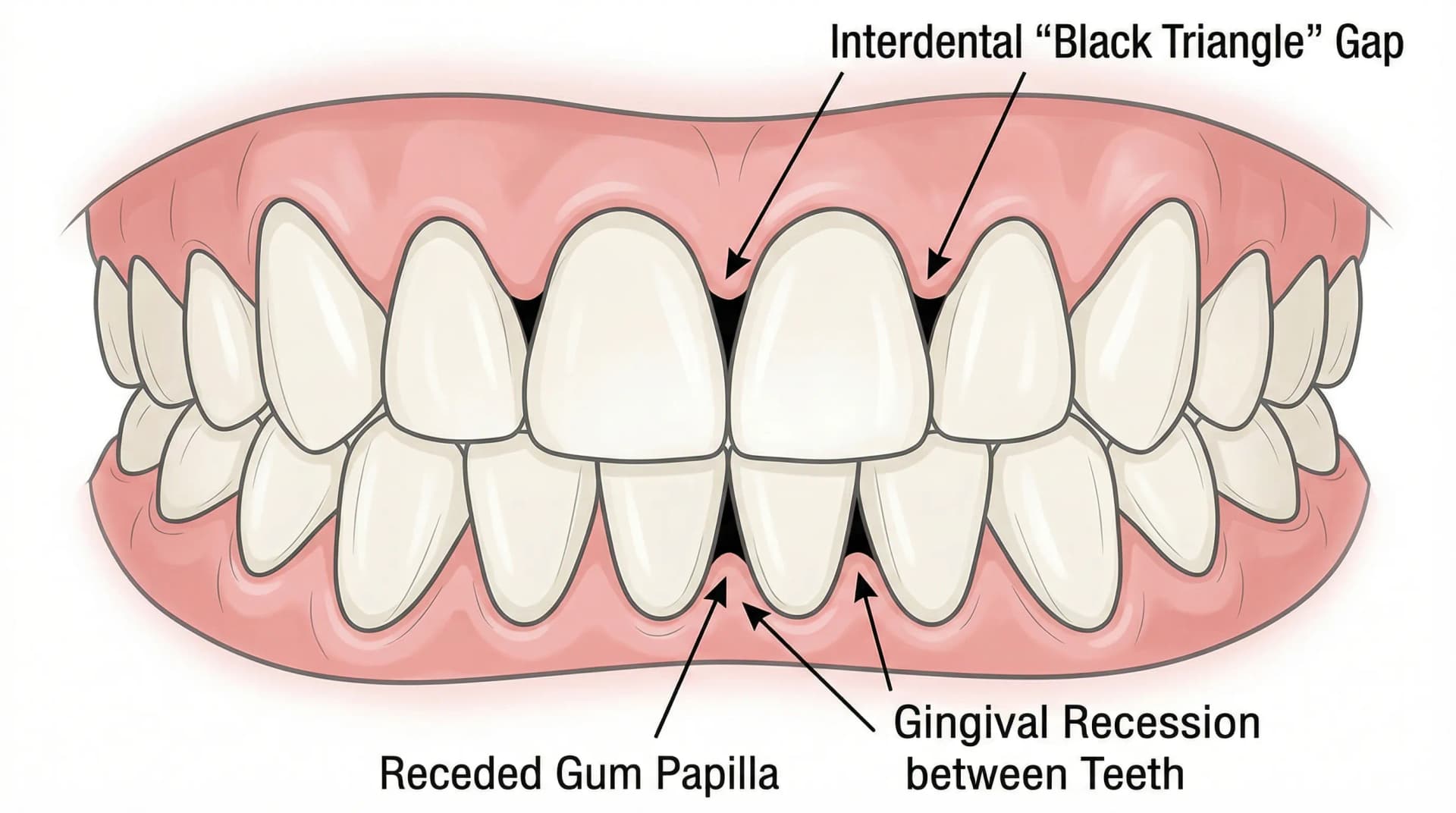
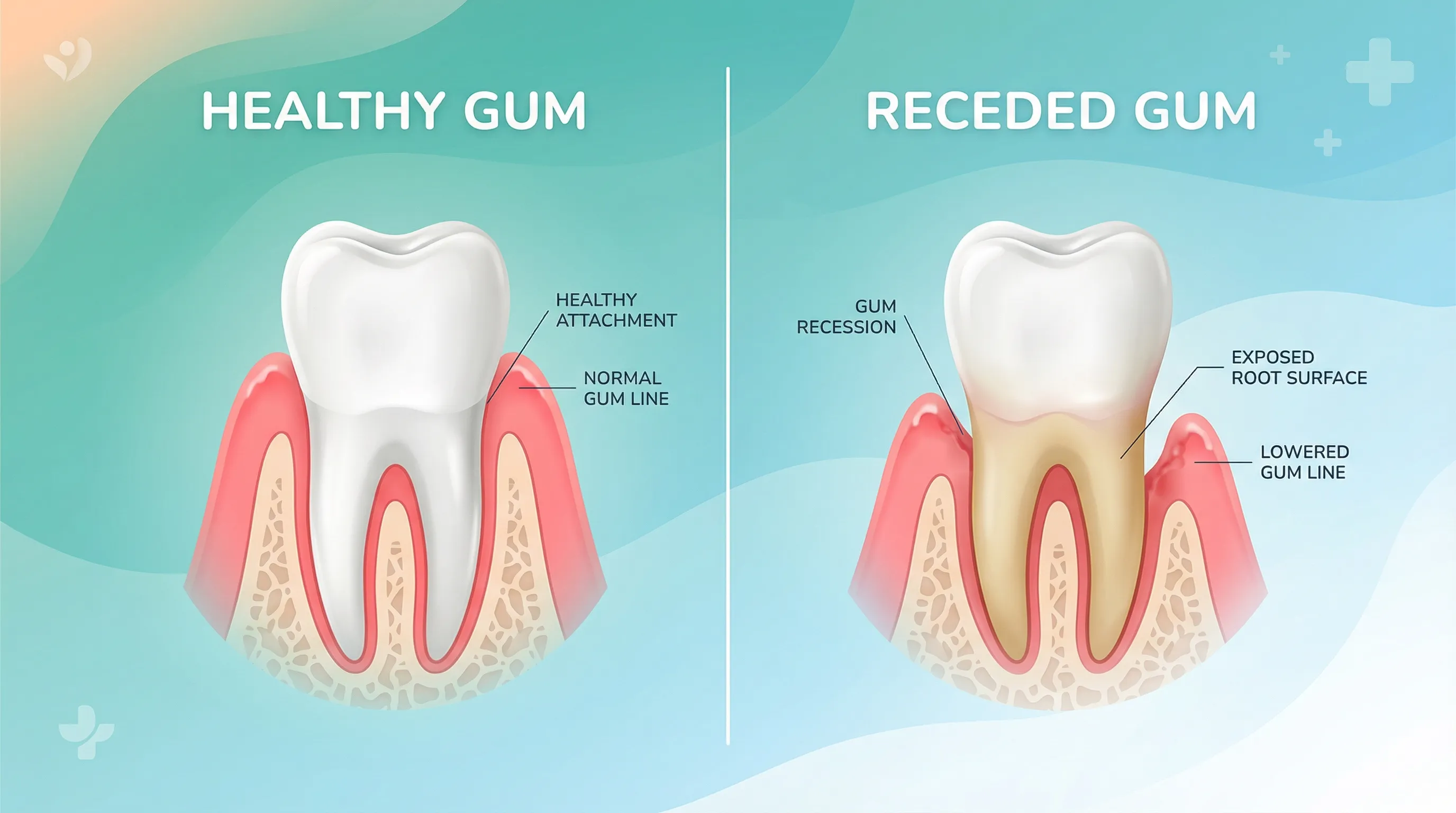
Gum recession happens when the gum tissue surrounding your teeth pulls back or wears away, exposing more of the tooth or its root. Several factors contribute:
- Aggressive brushing — Using a hard-bristled toothbrush or brushing too vigorously can wear away gum tissue over time
- Periodontal disease — Bacterial infections destroy gum tissue and the bone that supports your teeth
- Genetics — Studies show that up to 30% of the population may be predisposed to gum disease regardless of oral care habits
- Hormonal changes — Fluctuations during pregnancy, puberty, and menopause can make gums more vulnerable
- Tobacco use — Smokers are significantly more likely to develop gum recession
- Teeth grinding (bruxism) — Excessive force on teeth can cause gums to recede
- Misaligned teeth — When teeth don't come together evenly, too much force can be placed on certain areas
The Short Answer: No, Gums Don't Regrow Naturally
Here's the reality that many websites won't tell you directly: gum tissue does not regenerate on its own once it has receded. Unlike bone tissue, which has some capacity for regeneration, gum tissue (gingiva) lacks the biological mechanisms for self-repair once lost.
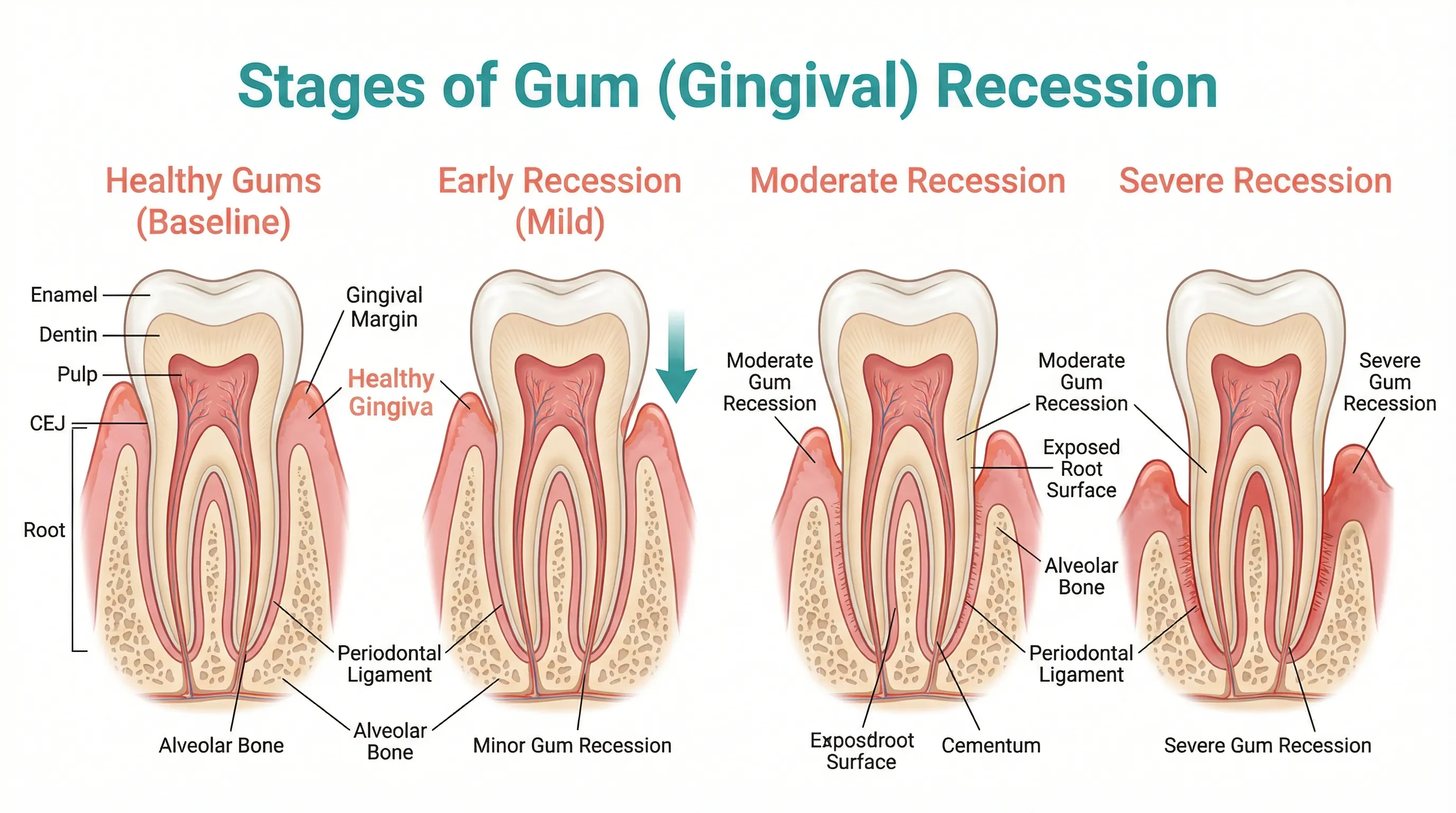
This is because gum tissue is a specialized type of mucosa. When it recedes, the cells that would need to proliferate and migrate to cover the exposed root surface simply don't have that capability in the way that, say, skin cells can heal a cut.
A 2019 systematic review published in the Journal of Clinical Periodontology confirmed that spontaneous gum regeneration does not occur in cases of true gum recession.
What About Natural Remedies?
You'll find countless articles claiming that oil pulling, aloe vera, green tea, or specific vitamins can regrow receding gums. Let's look at the evidence:
Oil Pulling
Oil pulling with coconut or sesame oil has been shown in some studies to reduce plaque and gingivitis markers. A 2015 study in the Nigerian Medical Journal found that oil pulling with coconut oil reduced plaque and gingivitis scores. However, no study has shown that oil pulling can regrow lost gum tissue.
Aloe Vera
Aloe vera has anti-inflammatory properties and has been studied for its effects on gum health. Research suggests it may help reduce gum inflammation when used as a mouthwash. But again, no evidence supports gum regrowth from aloe vera application.
Vitamin C
Vitamin C deficiency (scurvy) is well-documented to cause gum problems. Ensuring adequate vitamin C intake supports gum health and may help prevent further recession. However, supplementation will not cause gums to regrow.
The Bottom Line on Natural Remedies
Natural remedies may help reduce inflammation, fight bacteria, and support overall gum health — potentially preventing further recession. But they cannot reverse recession that has already occurred.
Professional Treatments That Actually Work
While gums don't regrow naturally, several professional treatments can effectively restore lost gum tissue:
1. Gum Graft Surgery (Connective Tissue Graft)
The gold standard for treating gum recession. A periodontist takes tissue from the roof of your mouth (or from a tissue bank) and attaches it to the area where gums have receded.
Success rate: Studies show a 90-95% success rate for root coverage with connective tissue grafts.
Recovery: Typically 1-2 weeks, with full healing in 4-6 weeks.
2. Pinhole Surgical Technique (PST)
A newer, minimally invasive procedure where a small hole is made in the gum tissue, and special instruments are used to loosen and reposition the tissue over the exposed root.
Advantages: No grafting, no sutures, faster recovery (1-2 days vs. 1-2 weeks).
Research: A 2012 study by Dr. John Chao showed PST achieved comparable results to traditional grafting with significantly less patient discomfort.
3. Guided Tissue Regeneration
For cases where bone loss accompanies gum recession, a membrane is placed between bone and gum tissue to allow bone to regenerate, which can support gum reattachment.
4. Enamel Matrix Derivative (Emdogain)
A protein-based gel applied during surgery that mimics the proteins involved in natural tooth development, promoting tissue regeneration.
The Role of Oral Probiotics
Emerging research suggests that oral probiotics — specifically strains like Lactobacillus reuteri and Lactobacillus salivarius — may support gum health in meaningful ways.
A 2013 study in the Journal of Clinical Periodontology found that L. reuteri supplementation reduced gingival bleeding and pocket depth in patients with chronic periodontitis. While this doesn't constitute "regrowing" gums, maintaining a healthy oral microbiome may help prevent the conditions that lead to further recession.
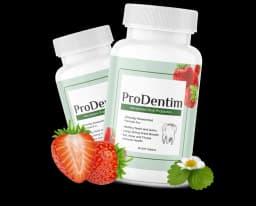
ProDentim
Oral Probiotic for Gum & Teeth Health
ProDentim contains Lactobacillus reuteri and other oral probiotic strains that research suggests may support gum tissue health and a balanced oral microbiome.
We may earn a commission if you make a purchase through our links, at no extra cost to you.
How to Prevent Further Gum Recession
Even if you can't regrow lost gum tissue naturally, you can take steps to prevent further recession:
- Switch to a soft-bristled toothbrush and use gentle, circular brushing motions
- Floss daily but carefully — avoid snapping the floss into your gums
- Get regular dental cleanings — professional cleanings remove tartar that you can't remove at home
- Treat bruxism — if you grind your teeth, talk to your dentist about a night guard
- Quit smoking — tobacco use is one of the strongest risk factors for gum recession
- Address misalignment — orthodontic treatment can reduce uneven forces on your gums
- Support your oral microbiome — oral probiotics may help maintain the bacterial balance that keeps gums healthy
When to See a Dentist
Don't wait for gum recession to become severe. See your dentist if you notice:
- Teeth that appear longer than normal
- Sensitivity to hot, cold, or sweet foods near the gum line
- A notch or groove you can feel near the gum line
- Visible gaps between your teeth and gums
- Bleeding when brushing or flossing
Early intervention gives you the best chance of stopping recession and preserving your remaining gum tissue.
The Science Is Still Evolving
Researchers are actively exploring new approaches to gum regeneration, including stem cell therapy and growth factor applications. A 2021 study in Biomaterials demonstrated that stem cell-loaded scaffolds could promote gum tissue regeneration in animal models. While these treatments aren't yet available clinically, they represent a promising future direction.
For now, the best approach combines prevention (good oral hygiene, oral probiotics, regular dental visits) with professional treatment when recession has already occurred.
ProDentim
Oral Probiotic for Gum & Teeth Health
Supporting your oral microbiome with targeted probiotics like those in ProDentim may help create an environment that protects against further gum recession.
We may earn a commission if you make a purchase through our links, at no extra cost to you.
Related reading: