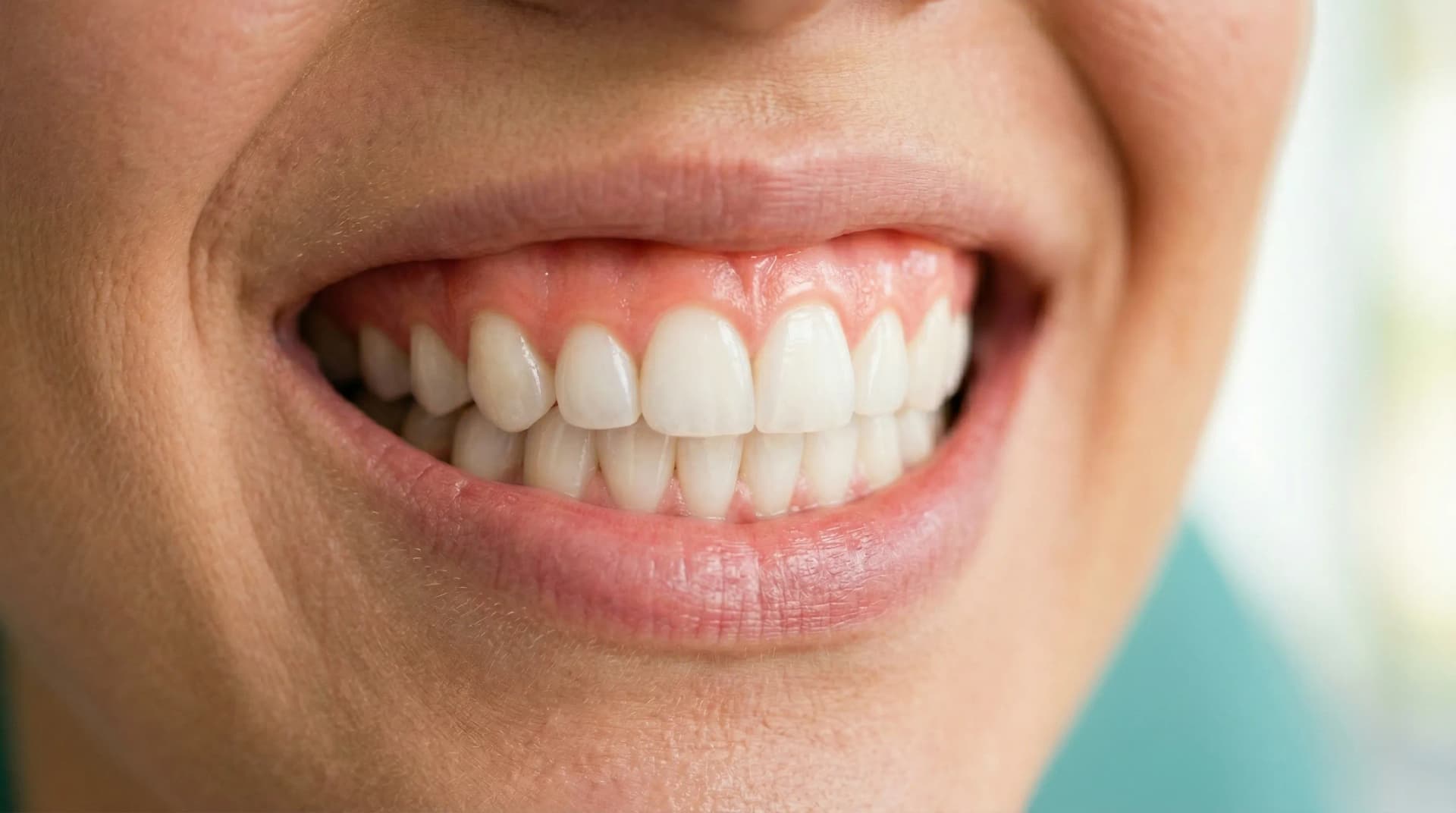
Dental hypersensitivity (dentin hypersensitivity) is characterized by short, sharp pain in one or more teeth triggered by thermal (hot or cold), chemical (sweet or acidic), or tactile (touch or air) stimuli. It occurs when the underlying dentin becomes exposed through enamel loss or gum recession, allowing external stimuli to reach the nerve. It is one of the most common dental complaints, and effective treatments are available.
What Is Dental Hypersensitivity?
Dental hypersensitivity — formally known as dentin hypersensitivity — is a common dental condition characterized by brief, sharp pain arising from exposed dentin in response to stimuli that would not normally cause discomfort. The pain typically occurs when eating or drinking something hot, cold, sweet, or acidic, or when cold air contacts the affected tooth.
The underlying mechanism is explained by the hydrodynamic theory: dentin contains thousands of microscopic tubules that connect the outer surface to the pulp (nerve) inside the tooth. When enamel or cementum is lost and these tubules are exposed, stimuli cause fluid movement within the tubules, which triggers nerve fibers and produces pain.
Dentin hypersensitivity affects an estimated 10-30% of the adult population, with peak prevalence between ages 20 and 50 (Journal of Clinical Periodontology, 2017).
Causes and Risk Factors
Dentin becomes exposed through two primary mechanisms:
Enamel loss (exposing dentin on the crown of the tooth):
- Tooth erosion from acidic foods, beverages, or gastric acid
- Abrasion from aggressive toothbrushing or abrasive toothpaste
- Attrition from bruxism (teeth grinding)
- Dental caries that erode enamel
Gum recession (exposing root dentin):
- Gingival recession from periodontal disease, aggressive brushing, or aging
- Periodontal treatment (scaling and root planing) that removes the protective cementum layer
- Orthodontic tooth movement
Additional risk factors include:
- Frequent consumption of acidic foods and drinks
- Use of whitening products (temporary sensitivity)
- Recent dental procedures (cleanings, fillings, bleaching)
- Smoking (associated with gum recession)
Symptoms
The characteristic symptom is a short, sharp, well-localized pain in response to specific triggers:
- Cold foods, drinks, or air
- Hot foods or drinks
- Sweet or acidic foods and beverages
- Touch (toothbrush bristles, dental instruments, fingernail)
- Cold water during dental cleaning
The pain is typically:
- Brief (lasting seconds, not minutes)
- Triggered by an identifiable stimulus
- Localized to one or a few teeth
- Relieved when the stimulus is removed
If pain is spontaneous (occurs without a trigger), prolonged, or throbbing, this may indicate a different condition such as a cavity, cracked tooth, or pulpitis, and should be evaluated by a dentist. For more on cold sensitivity specifically, see our article on sensitive teeth and cold.
Treatment and Prevention
Treatment is progressive, starting with the least invasive approaches:
At-home treatments:
- Desensitizing toothpaste — Products containing potassium nitrate or stannous fluoride can block the transmission of pain signals through dentin tubules. Consistent use for 2-4 weeks is typically needed.
- Soft-bristled toothbrush — Reduces further enamel abrasion and gum recession
- Gentle brushing technique — Avoid aggressive, horizontal scrubbing
- Fluoride mouthwash — Helps strengthen enamel and reduce sensitivity
Professional treatments:
- Fluoride varnish — Applied to sensitive areas to strengthen exposed dentin
- Desensitizing agents — Professional-grade products that seal dentin tubules (e.g., oxalate compounds, bonding agents)
- Dental bonding or sealants — Applied to exposed root surfaces or eroded areas
- Gum grafting — For cases where significant gum recession has exposed root surfaces
Prevention:
- Use a soft-bristled toothbrush with gentle pressure
- Avoid brushing immediately after consuming acidic foods or drinks (wait 30 minutes)
- Limit acidic food and beverage consumption
- Use a straw for acidic drinks to minimize tooth contact
- Wear a night guard if you grind your teeth
- Maintain regular dental visits to catch enamel loss or recession early
- Use fluoride toothpaste consistently
A Cochrane review published in Cochrane Database of Systematic Reviews (2019) found moderate evidence supporting potassium nitrate-containing toothpastes for managing dentin hypersensitivity, with benefits typically appearing after several weeks of regular use.
If you experience tooth sensitivity, consult your dentist to identify the underlying cause and rule out conditions like cavities, cracked teeth, or pulpitis that require different treatment.