Brushing removes surface plaque and some superficial staining, but it cannot change the underlying color of your teeth. Most tooth discoloration comes from factors brushing can't address: the natural color of your dentin showing through translucent enamel, intrinsic stains within the tooth structure, or deep-set extrinsic stains that require professional treatment. Understanding the difference between surface staining and structural color is the key to choosing an approach that actually works.
You brush twice a day, floss regularly, and use a good toothpaste — so why do your teeth still look yellow? It's a frustrating experience, and one that leads millions of people to wonder whether they're doing something wrong.
The short answer: you're probably not doing anything wrong. Brushing is designed to remove plaque and prevent cavities and gum disease. It was never designed to change the color of your teeth. The reasons teeth appear yellow are often far deeper — literally — than what a toothbrush can reach.
How Tooth Color Actually Works
To understand yellow teeth, you need to understand tooth anatomy:
- Enamel is the outermost layer. It's actually semi-translucent — not opaque white. Light passes through it.
- Dentin is the layer beneath enamel. It is naturally yellow to yellowish-brown. This is the layer that primarily determines your tooth color.
Your perceived tooth color is a combination of dentin's natural shade showing through the translucent enamel above it, plus any stains on or within the enamel itself.
This is why perfectly healthy teeth are rarely pure white — the dentin underneath has natural pigment. And it explains why yellowing often worsens with age: as enamel thins over decades of wear, more of the yellow dentin shows through.
Intrinsic vs. Extrinsic Staining
Dental professionals classify tooth discoloration into two categories, and the distinction matters because they require completely different treatments.
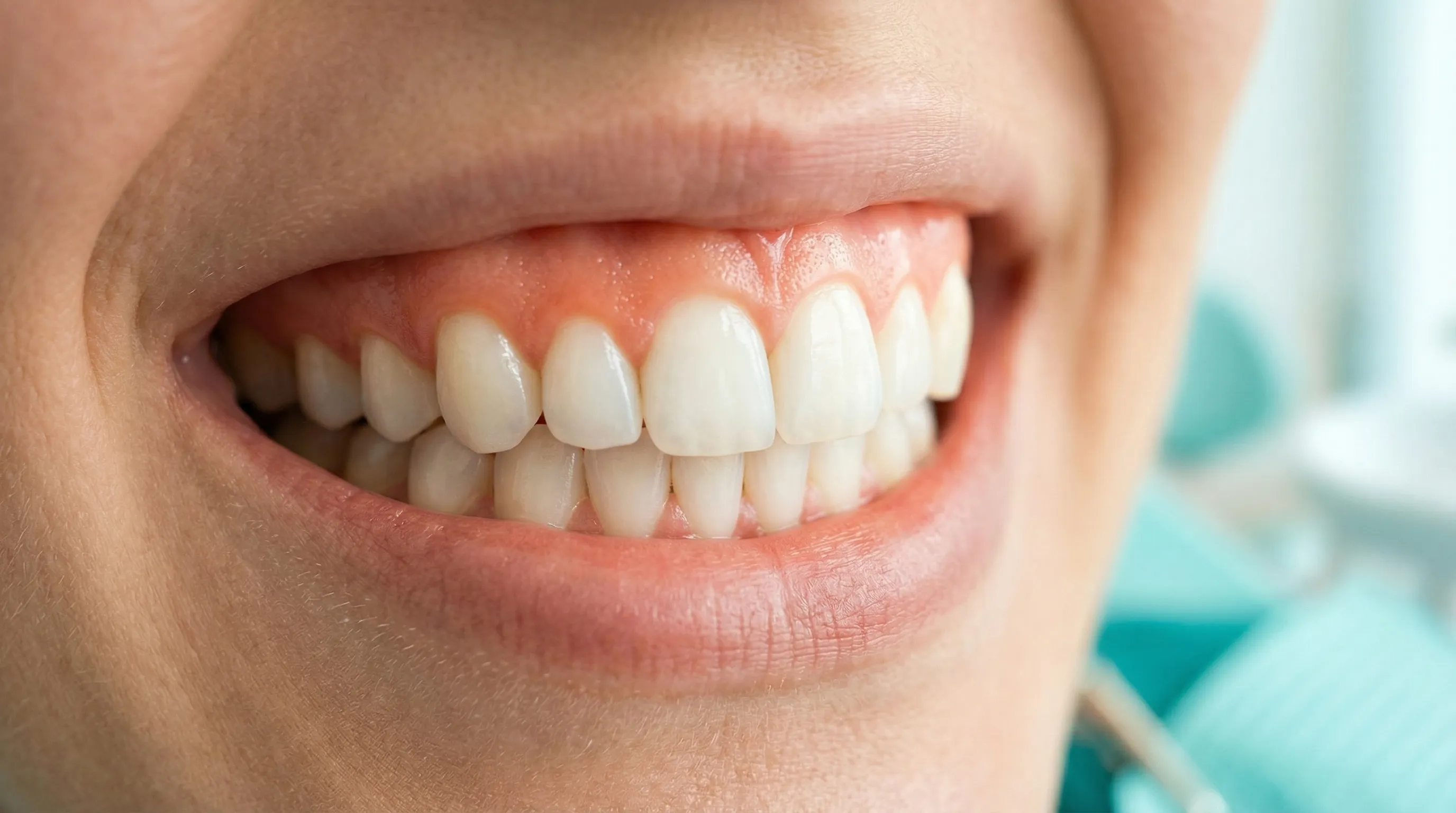
Extrinsic Stains (On the Surface)
Extrinsic stains sit on the outer surface of enamel. They're caused by pigmented molecules (chromogens) from food, drinks, and tobacco that adhere to the enamel surface or the pellicle (the protein film that coats your teeth).
Common extrinsic stain sources:
- Coffee and tea — Tannins in tea and dark pigments in coffee are among the most potent extrinsic stainers. A study in the Journal of Dentistry (2014) found that tea caused more discoloration than coffee due to its higher tannin content.
- Red wine — Contains both tannins and chromogens
- Berries (blueberries, blackberries, cherries) — Deeply pigmented
- Soy sauce, balsamic vinegar, tomato sauce
- Tobacco — Tar and nicotine cause severe brown-yellow staining
- Chlorhexidine mouthwash — Prescription antimicrobial rinse that causes brown staining as a known side effect. It also kills beneficial oral bacteria, which is why long-term use is discouraged.
Good news: many extrinsic stains can be partially managed or removed through whitening toothpaste, professional cleaning, and over-the-counter whitening products.
Intrinsic Stains (Within the Tooth)
Intrinsic stains are embedded within the tooth structure itself — inside the enamel or dentin. Brushing, whitening toothpaste, and even professional cleaning cannot remove them because they're not on the surface.
Causes of intrinsic staining include:
Tetracycline antibiotics — Taken during tooth development (in utero through age 8), tetracycline and its derivatives bind permanently to developing dentin and enamel, causing gray, brown, or banded discoloration. A review in the International Endodontic Journal (2003) documented the characteristic horizontal banding pattern. This staining is deep, permanent, and notoriously difficult to bleach.
Fluorosis — Excessive fluoride exposure during tooth development can cause white spots, streaks, or in severe cases, brown pitting. Mild fluorosis is purely cosmetic and very common — the CDC reports that approximately 23% of Americans aged 6-49 have some degree of fluorosis, the vast majority being mild.
Dental trauma — A blow to a tooth can damage the blood supply, causing the tooth to darken over time as hemoglobin breakdown products seep into the dentin. This is why a single tooth may appear gray or brown after an injury.
Aging — This is perhaps the most common cause of "yellow teeth despite brushing." With each passing decade, enamel gradually thins from normal wear and acid exposure, while dentin naturally darkens. Aging also contributes to gum recession, which can further change the appearance of teeth near the gumline. The combination produces progressively yellower teeth that no amount of brushing can reverse. Research in Journal of Dentistry (2009) confirmed that tooth color shifts measurably toward yellow with age.
Genetics — Enamel thickness and dentin shade are genetically determined. Some people naturally have thicker, more opaque enamel that masks the dentin, while others have thinner, more translucent enamel that lets more yellow show through. This is why some people have naturally whiter teeth than others from birth — and why you shouldn't compare your teeth to celebrities, whose veneers are not natural.
Foods and Drinks: The Biggest Extrinsic Culprits
Even if you brush diligently, consuming staining substances between brushings allows chromogens time to bind to your enamel. The "staining potential" of a food or drink depends on three factors:
- Chromogens — The actual pigment molecules (dark-colored compounds)
- Tannins — Plant compounds that enhance chromogen adhesion to enamel
- Acidity — Acidic environments soften enamel temporarily, allowing stains to penetrate more deeply
This is why red wine is such a potent stainer — it combines all three. And it explains why drinking coffee through a straw (reducing enamel contact) or rinsing with water afterward can reduce staining.
The biggest offenders, ranked by staining potential:
- Tea (black tea especially — high tannins)
- Red wine
- Coffee
- Cola (acidity + color)
- Berries and berry juices
- Curry and turmeric
- Soy sauce and balsamic vinegar
- Tobacco products (the worst overall stainer)
You don't need to eliminate these from your life — that's unrealistic. But simple habits reduce their impact: rinse with water after consuming them, don't sip coffee over 3 hours (each sip restarts enamel exposure), and brush 30 minutes after eating (waiting protects acid-softened enamel).
What Actually Works for Whitening
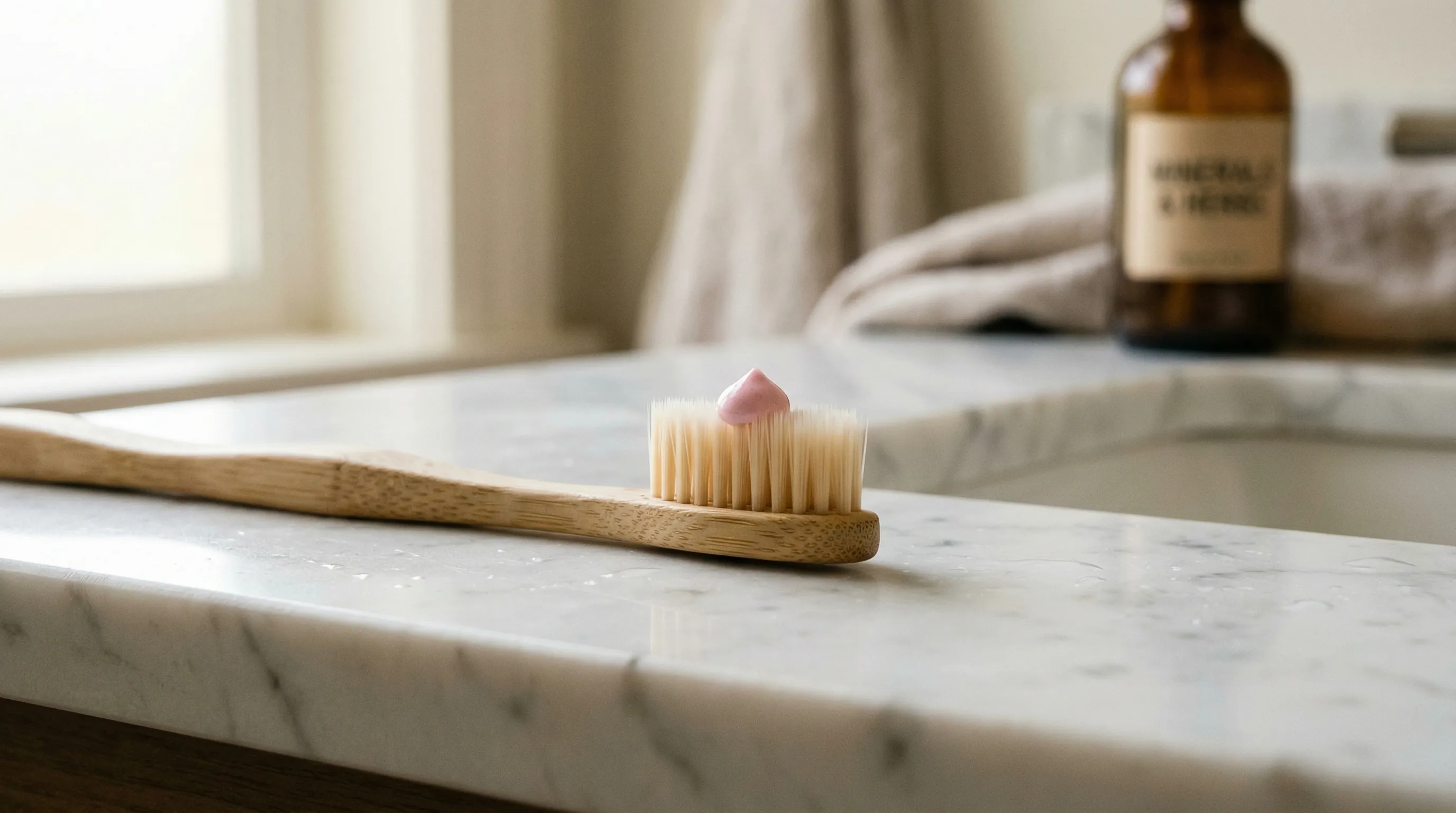
Professional In-Office Whitening
This is the most effective whitening option available. Dentists use high-concentration hydrogen peroxide (25-40%) or carbamide peroxide, often activated by light or heat, to achieve significant whitening in a single 60-90 minute session.
A systematic review in the Journal of Dentistry (2016) found that in-office bleaching produced an average shade improvement of 5-8 shades. Results are immediate and dramatic.
Best for: Extrinsic stains, age-related yellowing, and some intrinsic discoloration. Tetracycline staining responds less predictably and may require multiple sessions.
Cost: Typically $300-800 per session.
Take-Home Custom Tray Whitening
Your dentist makes custom-fitted trays and provides professional-grade bleaching gel (10-22% carbamide peroxide). You wear the trays for 30 minutes to several hours daily, depending on concentration, for 1-3 weeks.
This approach is slower but equally effective over time, more affordable than in-office treatment, and allows you to control the degree of whitening. It's considered the gold standard of home whitening because the custom trays ensure even gel distribution.
Over-the-Counter Whitening Strips
ADA-accepted whitening strips (like Crest 3D Whitestrips) contain lower concentrations of hydrogen peroxide (5-14%) and have clinical evidence supporting their effectiveness. A study in Compendium of Continuing Education in Dentistry (2006) found that hydrogen peroxide strips produced significant whitening after 14 days of use.
These are a reasonable option for mild to moderate extrinsic staining and age-related yellowing. They won't match professional results, but they're accessible and relatively affordable.
Whitening Toothpaste
Whitening toothpastes typically work through mild abrasives (silica) that physically scrub surface stains, plus sometimes low concentrations of hydrogen peroxide or optical brighteners (blue covarine) that create the appearance of whiter teeth.
They can help with surface-level extrinsic stains — coffee, tea, tobacco — but cannot change intrinsic tooth color. The ADA Seal of Acceptance indicates products that have been tested for safety and efficacy.
Important: Highly abrasive whitening toothpastes, particularly charcoal-based ones, can damage enamel over time. Look for the Relative Dentin Abrasivity (RDA) rating — the ADA recommends toothpastes with an RDA below 250.
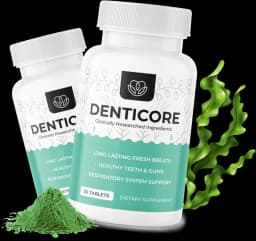
Denticore
Gum & Tooth Support Supplement
Supporting enamel mineral health may help maintain tooth brightness over time. DentiCore's formula is designed to provide minerals that support enamel integrity — because healthy enamel is the foundation of a whiter smile.
We may earn a commission if you make a purchase through our links, at no extra cost to you.
What Doesn't Work: Whitening Myths
Charcoal Toothpaste
Despite its popularity, activated charcoal toothpaste has no evidence supporting its whitening claims. A systematic review in the Journal of the American Dental Association (2017) concluded that there was "insufficient clinical and laboratory data to substantiate the safety and efficacy claims of charcoal and charcoal-based dentifrices."
Worse, charcoal toothpaste is highly abrasive and may actually damage enamel, making teeth appear more yellow over time as thinner enamel reveals more dentin.
Baking Soda Paste (Alone)
While baking soda is a mild abrasive and is found in some ADA-accepted toothpastes, mixing pure baking soda and brushing aggressively is not recommended. It lacks fluoride, its abrasiveness is uncontrolled, and it doesn't provide lasting whitening beyond basic surface stain removal.
Toothpastes that contain baking soda in a controlled formulation (like Arm & Hammer) are fine — they've been tested for safety. But DIY baking soda paste is not a substitute for proper whitening products.
Fruit Acid "Hacks" (Lemon, Strawberry)
Rubbing lemon juice, strawberries, or apple cider vinegar on teeth to whiten them is one of the most damaging trends in natural beauty. These substances are acidic enough to erode enamel. A study in Journal of Dentistry (2012) found that lemon juice caused significant enamel surface loss. Any perceived whitening comes from the temporary etching of enamel — which looks brighter initially but causes long-term damage.
UV/LED Home Devices
While dentists use light-activated systems in conjunction with professional-grade peroxide, over-the-counter LED "whitening" devices used alone or with low-concentration gels have minimal evidence supporting additional benefit. A study in Operative Dentistry (2014) found that LED activation did not significantly improve whitening outcomes compared to peroxide gel alone.
When to Consult Your Dentist
See your dentist about tooth color if:
- Your teeth have changed color suddenly or unevenly (could indicate nerve damage or decay)
- A single tooth is darkening (possible trauma or dying nerve)
- You have gray or banded discoloration (possible tetracycline staining — requires specialized treatment)
- Over-the-counter products aren't producing results after 2-3 weeks
- You're considering whitening but have existing dental work (crowns, veneers, and fillings don't whiten — creating mismatched shades)
- You experience significant sensitivity during whitening
- You want to set realistic expectations for your specific type of discoloration
A dentist can identify the specific cause of your discoloration, recommend the most effective treatment, and ensure that whitening is safe given your current dental health.
Denticore
Gum & Tooth Support Supplement
Healthy, well-mineralized enamel provides the best foundation for any whitening approach. DentiCore may help support the mineral balance that keeps enamel strong and resilient.
We may earn a commission if you make a purchase through our links, at no extra cost to you.
Setting Realistic Expectations
Here's the truth many people don't want to hear: perfectly white teeth are not natural. The gleaming white smiles you see on celebrities and Instagram are typically the result of porcelain veneers or heavily filtered photos — not natural tooth color.
A realistic goal is teeth that are clean, healthy, and free of preventable staining. For most people, professional whitening or quality OTC strips can lighten teeth several shades — which makes a noticeable, attractive difference without looking artificial.
Genetics, age, and dentin color set a baseline that whitening can improve but not completely override. If your dentin is naturally darker, even aggressive bleaching has limits. Veneers are the only option for a completely artificial shade of white — and they come with significant cost and the irreversible removal of enamel.
Focus on what you can control: minimizing new stains, supporting enamel health, eating foods that support your gums, and using evidence-based whitening products when desired. A healthy smile is always more attractive than an artificially perfect one.
Related reading: